Introduction
High blood pressure, also known as hypertension, is one of the most common cardiovascular risk factors worldwide. According to the World Health Organization, it affects more than one billion adults globally. Fortunately, natural foods to reduce high blood pressure play a critical role in prevention and long-term management. Through evidence-based nutrition, many individuals can support healthier blood pressure levels while reducing reliance on medication under medical supervision. This article provides a scientifically grounded, herbal-medicine–informed guide to dietary strategies that align with modern clinical research.
Importantly, this content is for educational purposes only and is not a substitute for professional medical advice. Always consult a qualified healthcare provider before making major dietary or lifestyle changes.
Understanding High Blood Pressure and Diet
Blood pressure reflects the force of blood against arterial walls. When this pressure remains elevated, it increases the risk of heart disease, stroke, kidney failure, and cognitive decline. Diet strongly influences vascular tone, sodium balance, inflammation, and endothelial function.
Research published by the National Institutes of Health confirms that dietary patterns rich in whole foods, minerals, and plant-based compounds can significantly lower systolic and diastolic blood pressure. Therefore, nutrition remains a cornerstone of non-pharmacological hypertension management.
How Natural Foods Help Lower Blood Pressure
Natural foods support blood pressure control through several mechanisms:
- Improving nitric oxide production for better vasodilation
- Reducing oxidative stress and chronic inflammation
- Supporting potassium-sodium balance
- Enhancing insulin sensitivity
- Regulating the renin-angiotensin system
As a result, consistent dietary improvements often lead to measurable cardiovascular benefits within weeks.
Natural Foods to Reduce High Blood Pressure Backed by Science
1. Leafy Green Vegetables
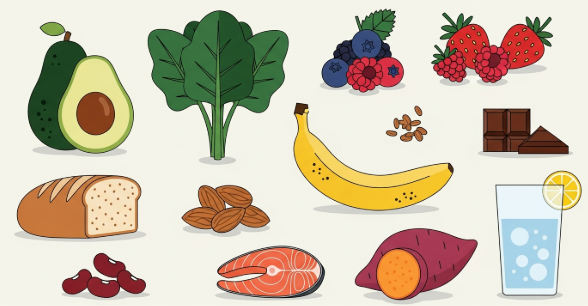
Spinach, kale, Swiss chard, and arugula are rich in dietary nitrates. These compounds convert to nitric oxide in the body, which relaxes blood vessels.
Evidence from Hypertension Journal shows that higher nitrate intake correlates with lower blood pressure levels. Moreover, leafy greens also provide magnesium and potassium, essential minerals for vascular health.
2. Berries and Polyphenol-Rich Fruits
Blueberries, strawberries, and raspberries contain anthocyanins. These flavonoids improve endothelial function and reduce arterial stiffness.
A Harvard School of Public Health study reported that adults who consumed berries regularly had an 8% lower risk of developing hypertension. Therefore, berries are a simple and effective dietary addition.
3. Potassium-Rich Fruits
Bananas, avocados, oranges, and kiwi support sodium excretion through urine. This mechanism directly reduces blood pressure.
The American Heart Association recommends increasing potassium intake, especially for individuals consuming processed foods. However, people with kidney disease should consult a physician before increasing potassium.
4. Whole Grains and Dietary Fiber
Oats, brown rice, barley, and quinoa stabilize blood sugar and improve insulin sensitivity. Fiber also reduces inflammation, which contributes to vascular damage.
Clinical trials published on PubMed confirm that high-fiber diets lower systolic blood pressure by an average of 5–7 mmHg over time.
5. Fatty Fish and Omega-3 Fatty Acids
Salmon, sardines, and mackerel provide EPA and DHA. These omega-3 fats reduce triglycerides, arterial inflammation, and platelet aggregation.
According to the NIH, regular omega-3 intake supports modest but meaningful blood pressure reductions, especially in adults with metabolic syndrome.
Herbal and Functional Foods That Support Blood Pressure Balance
Garlic (Allium sativum)
Garlic contains allicin, which enhances nitric oxide availability. Multiple meta-analyses show garlic supplementation can lower blood pressure similarly to first-line medications in mild hypertension.
Hibiscus Tea
Hibiscus sabdariffa has ACE-inhibitory properties. Randomized controlled trials show daily hibiscus tea consumption lowers systolic blood pressure by up to 10 mmHg.
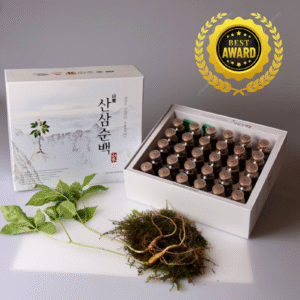
Korean Ginseng (Panax ginseng)
Korean ginseng supports vascular elasticity, stress modulation, and nitric oxide synthesis. Studies published in Journal of Ginseng Research suggest ginseng may help regulate blood pressure while improving overall cardiovascular resilience.
When sourced responsibly and consumed correctly, ginseng complements a heart-healthy diet. This makes it a valuable addition for individuals seeking premium herbal support.
Foods to Limit or Avoid
While focusing on natural foods to reduce high blood pressure, it is equally important to minimize harmful dietary elements:
- Excess sodium from processed foods
- Trans fats and refined oils
- Added sugars and sweetened beverages
- Excessive alcohol
Reducing these factors improves the effectiveness of beneficial foods.
Dietary Patterns That Work
DASH Diet
The DASH diet emphasizes fruits, vegetables, whole grains, and low-fat dairy. NIH-backed studies show it reduces blood pressure within two weeks.
Mediterranean Diet
This pattern includes olive oil, fish, nuts, and herbs. It reduces cardiovascular mortality and supports long-term blood pressure control.
Both dietary patterns align well with herbal medicine principles focused on balance and inflammation reduction.
Frequently Asked Questions (FAQ)
Can food alone control high blood pressure?
In early or mild cases, dietary changes may significantly reduce blood pressure. However, some individuals still require medication.
How long does it take to see results?
Most people see improvements within 2–6 weeks of consistent dietary changes.
Are herbal supplements safe for hypertension?
Some herbs are beneficial, but interactions are possible. Always consult a healthcare professional.
Is Korean ginseng safe for daily use?
High-quality Korean ginseng is generally safe when used as directed. Medical guidance is recommended for individuals on medication.
Conclusion: Nourish Your Heart with Science and Tradition
A strategic diet built around natural foods to reduce high blood pressure offers powerful cardiovascular protection. When combined with lifestyle changes and professional guidance, nutrition can transform long-term health outcomes.
Moreover, integrating clinically studied herbal solutions such as premium Korean ginseng provides an additional layer of support. Its vascular and adaptogenic benefits make it a valuable ally for modern heart health.
If you are committed to proactive wellness, consider investing in trusted, high-quality ginseng products that meet rigorous safety standards. Your heart deserves both science and tradition working together.
Read also: Ginseng for Blood Pressure Support: Scientific Evidence, Safety, and How to Use It Wisely
🇰🇷 Premium Korean Ginseng Online Shop