Introduction
Chronic fatigue in adults causes significant concern because it affects daily function, productivity, and emotional well-being. Many adults experience persistent exhaustion that does not improve with rest. Therefore, understanding why this condition occurs is the first step toward effective management. This article explains the medical, lifestyle, and nutritional factors behind long-lasting fatigue using evidence-based health information and globally recognized medical sources.
Chronic fatigue is not a diagnosis by itself. Instead, it is a symptom that reflects underlying physiological or psychological imbalance. According to the National Institutes of Health (NIH), persistent fatigue lasting more than six months requires careful medical evaluation to identify root causes rather than masking symptoms.
Understanding Chronic Fatigue in Adults
Chronic fatigue refers to persistent physical or mental exhaustion that lasts for weeks or months. Unlike ordinary tiredness, it does not resolve after sleep or rest. Moreover, it often interferes with concentration, motivation, and immune resilience.
Common characteristics include:
- Low energy throughout the day
- Reduced mental clarity
- Muscle weakness
- Sleep that feels unrefreshing
- Increased susceptibility to stress
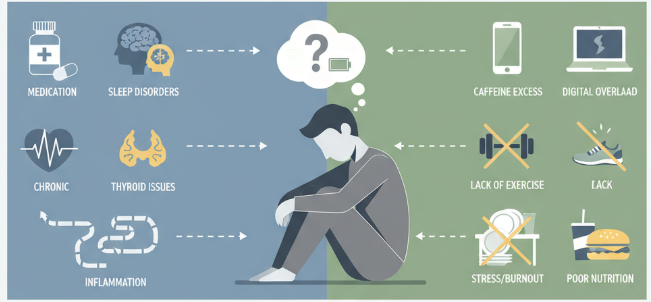
Importantly, chronic fatigue in adults causes often overlap across multiple systems. Therefore, addressing only one factor may not be sufficient.
Chronic Fatigue in Adults Causes: Medical Conditions
Several medical conditions contribute directly to long-term fatigue. Identifying these issues early improves outcomes and prevents complications.
Hormonal and Metabolic Disorders
Hormones regulate energy production and cellular metabolism. When imbalanced, fatigue develops rapidly.
Common examples include:
- Hypothyroidism: Reduced thyroid hormone slows metabolism
- Adrenal dysfunction: Alters cortisol rhythms
- Diabetes and insulin resistance: Impairs glucose utilization
According to the American Thyroid Association, untreated thyroid disorders are among the most overlooked causes of persistent fatigue.
Cardiovascular and Respiratory Conditions
When oxygen delivery is compromised, fatigue increases.
These include:
- Heart disease
- Chronic obstructive pulmonary disease (COPD)
- Sleep-related breathing disorders
Reduced oxygenation limits cellular energy production, which leads to constant exhaustion.
Nutritional Deficiencies and Energy Depletion
Nutrition plays a central role in energy metabolism. Therefore, deficiencies frequently explain chronic fatigue in adults causes.
Key Nutrients Associated With Fatigue
- Iron: Low levels impair oxygen transport
- Vitamin B12: Essential for nerve function and red blood cell formation
- Vitamin D: Influences muscle strength and immune regulation
- Magnesium: Supports ATP energy production
The World Health Organization (WHO) reports that iron deficiency remains one of the most widespread nutritional problems globally.
Poor Dietary Patterns
Highly processed diets contribute to inflammation and unstable blood sugar levels. As a result, energy crashes become frequent and severe.
Lifestyle Factors That Intensify Chronic Fatigue
Modern lifestyles often amplify fatigue symptoms. Although these factors seem minor, their cumulative impact is substantial.
Sleep Disruption
Poor sleep quality directly correlates with daytime exhaustion. Causes include:
- Irregular sleep schedules
- Excessive screen exposure
- Sleep apnea
The Centers for Disease Control and Prevention (CDC) emphasizes that adults require consistent sleep patterns for metabolic balance.
Chronic Stress and Mental Load
Psychological stress triggers prolonged cortisol release. Over time, this disrupts circadian rhythms and immune balance. Consequently, fatigue becomes persistent rather than episodic.
Physical Inactivity or Overtraining
Both extremes create fatigue. Sedentary behavior reduces mitochondrial efficiency, while excessive exercise depletes recovery capacity.
Inflammation, Immune Dysfunction, and Fatigue
Chronic inflammation places constant demand on the immune system. This process consumes energy resources and alters neurotransmitter balance.
Conditions linked to inflammatory fatigue include:
- Autoimmune disorders
- Post-viral syndromes
- Chronic infections
Research published in The Journal of Clinical Investigation demonstrates that inflammatory cytokines directly influence brain regions responsible for motivation and alertness.
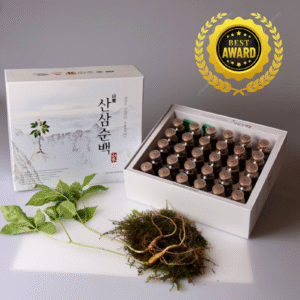
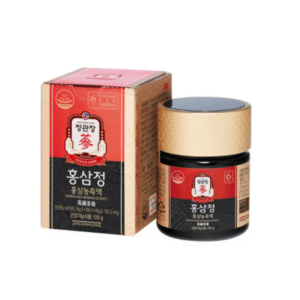
Herbal and Nutritional Support: The Role of Korean Ginseng
Traditional herbal medicine has long addressed energy imbalance. Among adaptogenic herbs, Panax ginseng (Korean ginseng) holds significant scientific support.
Evidence-Based Benefits
Clinical studies indexed in PubMed show that Korean ginseng may:
- Support mitochondrial energy production
- Help regulate stress response
- Improve perceived vitality without overstimulation
Importantly, ginseng does not act as a stimulant. Instead, it supports physiological balance, which aligns with modern integrative medicine principles.
Safety and Responsible Use
Korean ginseng should complement, not replace, medical care. Therefore, individuals with chronic conditions should consult a healthcare professional before use.
How to Address Chronic Fatigue Safely
Effective management requires a multi-dimensional approach.
Practical Steps
- Seek medical evaluation for persistent fatigue
- Optimize sleep hygiene
- Improve nutrient intake
- Manage stress consistently
- Consider evidence-based herbal support
Because chronic fatigue in adults causes vary, personalized strategies deliver the best outcomes.
Frequently Asked Questions (FAQ)
What is the most common cause of chronic fatigue in adults?
Hormonal imbalances, nutritional deficiencies, and sleep disorders are among the most common contributors.
Can stress alone cause chronic fatigue?
Yes. Chronic psychological stress can disrupt hormonal balance and energy metabolism over time.
Is chronic fatigue the same as chronic fatigue syndrome?
No. Chronic fatigue is a symptom, while chronic fatigue syndrome is a specific medical diagnosis.
Can herbal supplements help fatigue safely?
Some, such as Korean ginseng, show supportive evidence when used responsibly and under professional guidance.
Conclusion: Restore Balance, Reclaim Vitality
Living with persistent exhaustion can feel isolating and discouraging. However, understanding chronic fatigue in adults causes empowers you to take informed action. With medical guidance, lifestyle refinement, and evidence-based nutritional support, recovery becomes achievable.
For those seeking natural vitality support rooted in centuries of use and modern research, premium Korean ginseng offers a balanced option. Choose quality, authenticity, and science-backed formulations to support your journey toward renewed energy and resilience.
🇰🇷 Premium Korean Ginseng Online Shop