Fatigue and low stamina are common concerns in modern life. Long working hours, chronic stress, poor sleep, and nutritional imbalance can gradually drain the body’s energy reserves. As a result, many people search for safe, natural solutions to restore vitality. One herbal remedy that has received growing scientific attention is ginseng for fatigue and low stamina.
For centuries, ginseng has been used in traditional East Asian medicine as a tonic that supports energy, resilience, and overall health. Today, modern research confirms that certain compounds in ginseng—especially ginsenosides—may help improve physical endurance, reduce fatigue, and support the body’s response to stress.
Importantly, several clinical studies and systematic reviews suggest that ginseng may help improve fatigue symptoms without the stimulant effects commonly associated with caffeine or synthetic energy boosters. Instead, it works by supporting the body’s physiological balance, particularly through stress regulation and mitochondrial energy production.
In this comprehensive article, we explore the science, mechanisms, benefits, and practical use of ginseng for fatigue and low stamina. You will also learn how to choose high-quality ginseng products and how they may fit into a healthy lifestyle.
Understanding Fatigue and Low Stamina
Fatigue is more than simple tiredness. It refers to a persistent feeling of exhaustion that does not fully improve with rest. According to the World Health Organization (WHO) and clinical research, fatigue can arise from multiple factors.
Common Causes of Fatigue
Fatigue may occur due to:
- Chronic stress
- Poor sleep quality
- Nutritional deficiencies
- Sedentary lifestyle
- Chronic inflammation
- Hormonal imbalance
- Certain medical conditions
In addition, mental fatigue can accompany physical exhaustion. The brain consumes significant energy, and prolonged cognitive stress can also reduce stamina.
Physical vs Mental Fatigue
Understanding the difference helps identify the most appropriate interventions.
| Type of Fatigue | Characteristics | Common Causes |
|---|---|---|
| Physical fatigue | Reduced muscle endurance and physical performance | Overexertion, metabolic imbalance |
| Mental fatigue | Difficulty concentrating and reduced motivation | Stress, sleep deprivation |
| Chronic fatigue | Persistent exhaustion lasting weeks or months | Illness, chronic stress |
Because fatigue involves complex biological systems, a comprehensive approach is necessary. Nutrition, sleep, and stress management are essential. In addition, herbal adaptogens such as ginseng may support the body’s resilience.
How Ginseng Works in the Body
Adaptogenic Effects
One reason researchers study ginseng for fatigue and low stamina is its classification as an adaptogen.
Adaptogens are natural substances that help the body adapt to stress and restore physiological balance.
Ginseng may influence several systems:
- Hypothalamic-pituitary-adrenal (HPA) axis
- Nervous system
- Immune system
- Cellular energy metabolism
According to the National Institutes of Health (NIH), ginseng may help the body maintain stability during periods of physical or psychological stress.
Source:
https://www.nccih.nih.gov/health/ginseng
Active Compounds: Ginsenosides
The primary bioactive components of ginseng are ginsenosides.
These compounds may:
- Support mitochondrial energy production
- Improve oxygen utilization
- Reduce oxidative stress
- Enhance neurological function
Research published in PubMed suggests that ginsenosides influence energy metabolism and may reduce fatigue through antioxidant and anti-inflammatory mechanisms.
Source:
https://pubmed.ncbi.nlm.nih.gov/28084250/
Support for Cellular Energy
Energy production occurs inside mitochondria. However, oxidative stress can damage these cellular structures and impair energy output.
Ginseng may help by:
- Protecting mitochondria
- Supporting ATP production
- Reducing oxidative damage
Consequently, improved cellular energy may translate into better endurance and reduced fatigue.
Scientific Evidence: Ginseng for Fatigue and Low Stamina
Modern research increasingly supports the traditional use of ginseng as a tonic herb.
Clinical Studies
Several clinical trials have evaluated ginseng’s effects on fatigue.
For example:
A randomized clinical study published in Journal of Alternative and Complementary Medicine found that ginseng supplementation improved fatigue symptoms in individuals with chronic fatigue.
Source:
https://pubmed.ncbi.nlm.nih.gov/21219276/
Another study involving cancer-related fatigue demonstrated that Panax ginseng significantly improved fatigue scores compared with placebo.
Source:
https://pubmed.ncbi.nlm.nih.gov/23439736/
Summary of Research Findings
Research suggests that ginseng may:
- Improve physical endurance
- Reduce mental fatigue
- Support immune resilience
- Enhance cognitive performance
However, experts emphasize that results may vary among individuals. Lifestyle factors such as sleep, nutrition, and stress levels remain critical.
Key Benefits of Ginseng for Energy and Stamina
1. Supports Physical Endurance
Athletes and physically active individuals often report improved stamina when using ginseng.
Possible mechanisms include:
- Improved oxygen uptake
- Better muscle metabolism
- Reduced exercise-induced oxidative stress
Some studies suggest that ginseng may improve endurance during moderate physical activity.
2. Helps Reduce Stress-Related Fatigue
Stress increases cortisol levels. Over time, chronic cortisol elevation may contribute to exhaustion and burnout.
Ginseng may help regulate the stress response.
Possible benefits include:
- Improved stress resilience
- Reduced fatigue perception
- Better mood stability
According to Harvard Health Publishing, adaptogens such as ginseng may help the body cope with stress.
Source:
https://www.health.harvard.edu
3. Supports Cognitive Energy
Fatigue often affects mental clarity. Brain fog and poor concentration are common symptoms.
Ginseng may support brain function by:
- Improving cerebral blood flow
- Enhancing neurotransmitter activity
- Supporting antioxidant defenses in the brain
Therefore, some individuals experience improved focus alongside better physical energy.
4. May Enhance Immune Resilience
Low stamina sometimes correlates with frequent illness.
Ginseng may support immune health through:
- Increased natural killer cell activity
- Modulation of inflammatory responses
- Antioxidant protection
Research from NIH indicates that ginseng may influence immune function.
Types of Ginseng and Their Differences
Not all ginseng is identical. Several varieties exist, each with unique characteristics.
| Type | Scientific Name | Key Features |
|---|---|---|
| Korean Ginseng | Panax ginseng | Traditional medicinal root with strong adaptogenic effects |
| American Ginseng | Panax quinquefolius | Milder, often used for calming effects |
| Siberian Ginseng | Eleutherococcus senticosus | Technically not true ginseng but often used as an adaptogen |
Among these, Korean ginseng (Panax ginseng) is the most studied for fatigue and stamina.
It contains a wide spectrum of ginsenosides and has a long history in traditional medicine.
How to Use Ginseng Safely
Although ginseng is generally well tolerated, responsible use remains important.
Common Forms
Ginseng products are available as:
- Capsules
- Extracts
- Powder
- Herbal tea
- Whole dried roots
Standardized extracts often provide consistent ginsenoside content.
Typical Dosage
Clinical studies commonly use:
- 200–400 mg standardized extract per day
However, dosage may vary depending on the product concentration.
Always follow manufacturer guidelines or consult a healthcare professional.
Safety Considerations
According to National Center for Complementary and Integrative Health (NCCIH):
Ginseng is generally safe for most healthy adults when used short term.
Possible side effects may include:
- Mild insomnia
- Headache
- Digestive discomfort
Individuals who should consult a healthcare professional include:
- Pregnant or breastfeeding women
- People taking blood thinners
- Individuals with chronic illness
Source:
https://www.nccih.nih.gov/health/ginseng
Lifestyle Strategies That Work With Ginseng
Herbal support works best when combined with healthy lifestyle habits.
Sleep Optimization
Quality sleep restores cellular energy.
Helpful strategies include:
- Consistent sleep schedule
- Reduced evening screen exposure
- Balanced evening meals
Nutrient-Rich Diet
Certain nutrients support energy metabolism.
These include:
- Iron
- Magnesium
- B vitamins
- Protein
A balanced diet complements the benefits of ginseng for fatigue and low stamina.
Regular Physical Activity
Exercise improves mitochondrial efficiency.
Moderate activities such as:
- Walking
- Cycling
- Strength training
may enhance stamina over time.
Choosing High-Quality Ginseng Products
Not all supplements offer the same quality.
When selecting ginseng, consider:
Important Quality Indicators
- Standardized ginsenoside content
- Authentic Panax ginseng
- Transparent sourcing
- Third-party testing
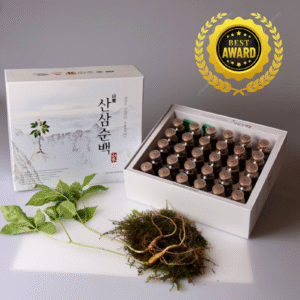
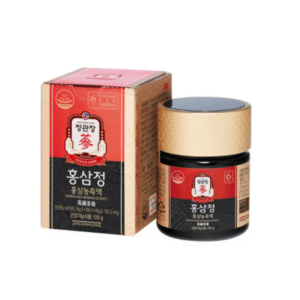
Premium Korean ginseng products often undergo strict cultivation and processing standards.
Traditional red ginseng preparation methods may also increase bioactive compounds.
Why Korean Ginseng Is Considered Premium
Korean ginseng has been cultivated for centuries in Korea’s unique climate and soil conditions.
These factors may influence the plant’s phytochemical profile.
Key characteristics include:
- High ginsenoside diversity
- Careful aging of roots
- Traditional steaming process (for red ginseng)
Because of these factors, Korean ginseng remains one of the most trusted forms for supporting energy and vitality.
Conclusion
Fatigue and low stamina affect millions of people worldwide. While modern lifestyles often contribute to exhaustion, natural strategies may help restore energy balance.
Scientific evidence suggests that ginseng for fatigue and low stamina may support physical endurance, mental clarity, and resilience to stress. Its active compounds, particularly ginsenosides, interact with cellular energy systems, antioxidant pathways, and stress regulation mechanisms.
However, herbal supplementation should complement—not replace—healthy habits such as quality sleep, balanced nutrition, and regular physical activity.
If you are looking for a natural way to restore vitality and sustain daily energy, high-quality Korean ginseng may be a valuable addition to your wellness routine.
Choose trusted, premium sources to ensure purity and potency.
Your body deserves sustainable energy—not temporary stimulation.
Explore authentic Korean ginseng today and experience the traditional herbal approach to lasting stamina and vitality.
🇰🇷 Premium Korean Ginseng Online Shop