Alcohol consumption is closely connected with both cardiovascular health and brain health. What a person drinks, how much they drink, how often they drink, and how much alcohol is consumed on a single occasion can all influence blood pressure, cardiovascular function, sleep, memory, cognitive performance, and long-term neurological health.
For many years, discussions about alcohol focused primarily on the liver. However, modern research shows that the effects of alcohol extend far beyond the liver. Alcohol affects the cardiovascular system, nervous system, blood vessels, sleep, metabolism, mental health, and several biological processes involved in healthy aging.
The relationship between alcohol and health is also more complicated than simply asking whether alcohol is “good” or “bad.” Research on low and moderate alcohol consumption has produced inconsistent findings, particularly regarding dementia and cognitive function. In contrast, the evidence concerning heavy and prolonged alcohol consumption is substantially more consistent.
Recent research has strengthened several important conclusions. Heavy alcohol consumption is associated with higher blood pressure, poorer cardiovascular health, impaired cognitive function, changes in brain structure, and increased neurological risks. At the same time, newer research suggests that claims about low or moderate alcohol consumption protecting the brain should be interpreted cautiously because many studies are observational and can be affected by confounding factors.
The World Health Organization describes alcohol as a psychoactive and toxic substance that can cause dependence and notes that alcohol-related harm increases with both lifetime exposure and drinking patterns. The WHO also emphasizes that most alcohol-related harm comes from heavy episodic or heavy continuous drinking.
This article examines the latest evidence on alcohol and blood pressure, alcohol and brain health, alcohol effects on the brain, alcohol and cognitive function, alcohol and memory, alcohol and dementia risk, alcohol and brain aging, alcohol-related brain damage, alcohol and mental health, and neurological health. It also discusses how a healthy lifestyle and traditional wellness ingredients such as Korean wild ginseng can fit into a broader approach to maintaining energy, vitality, and overall well-being.
Alcohol and Blood Pressure
One of the most established relationships between alcohol and cardiovascular health involves blood pressure.
Blood pressure is the force of circulating blood against the walls of the arteries. Persistent elevation of blood pressure places additional stress on the cardiovascular system and is an important risk factor for stroke, heart disease, kidney disease, and other health problems.
Alcohol can influence blood pressure through several mechanisms.
Acute alcohol consumption can temporarily change vascular tone and heart rate. Repeated consumption, particularly at higher levels, can contribute to sustained increases in blood pressure.
The relationship is influenced by both the amount consumed and the drinking pattern.
A person who drinks a small amount occasionally has a very different exposure pattern from someone who consumes large quantities every day or engages in repeated episodes of heavy drinking.
Does alcohol raise blood pressure?

Evidence from observational studies and clinical trials indicates that higher alcohol consumption is associated with higher blood pressure.
The relationship becomes particularly important with regular and heavier consumption.
Alcohol can influence the sympathetic nervous system, vascular function, fluid balance, and other regulatory systems involved in maintaining blood pressure.
In addition, drinking may indirectly increase blood pressure by affecting:
- Sleep quality
- Body weight
- Physical activity
- Diet
- Stress
- Medication adherence
- Heart rhythm
- Metabolic health
This means that the effect of alcohol on blood pressure is not necessarily caused by one mechanism alone.
Reducing excessive alcohol intake can therefore be an important component of a broader cardiovascular health strategy.
Alcohol, Hypertension, and Long-Term Cardiovascular Health
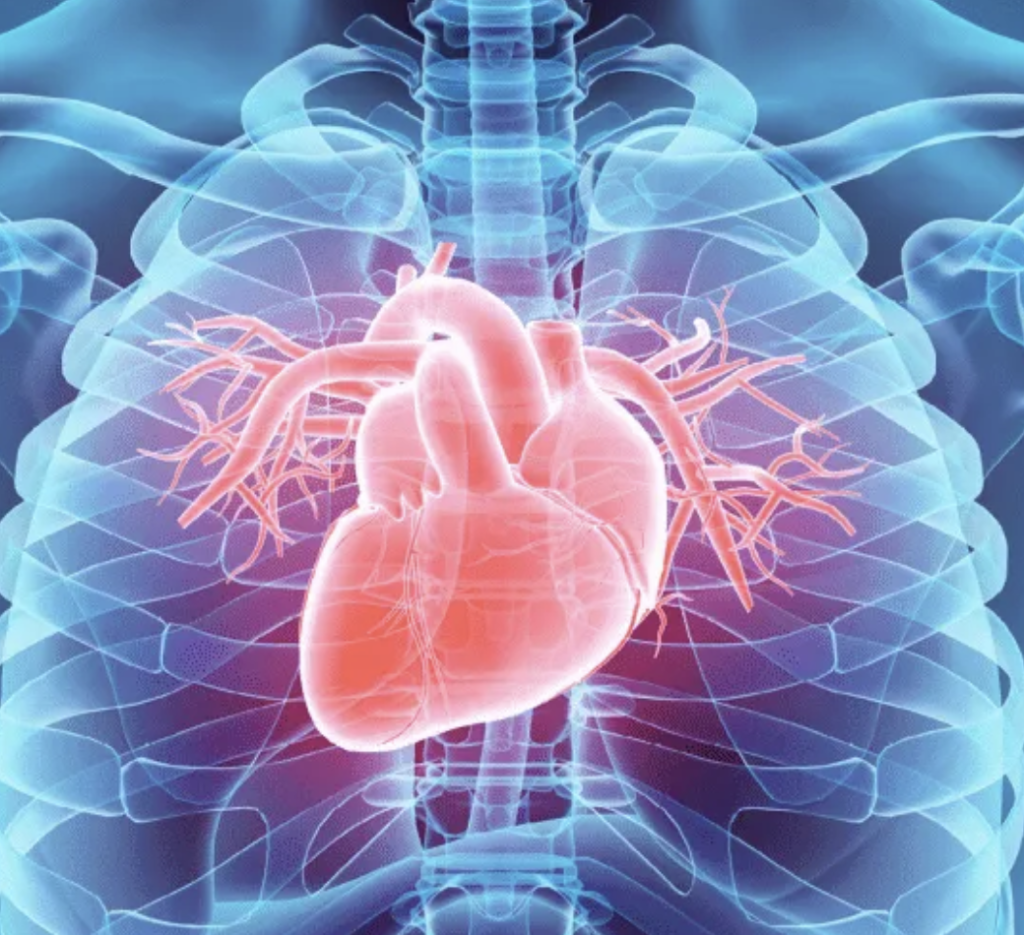
Hypertension develops through multiple interacting factors.
Genetics, age, body weight, sodium intake, physical activity, kidney function, sleep, stress, medications, and alcohol consumption can all contribute.
Alcohol is therefore best understood as one modifiable factor among many.
People who already have high blood pressure may be particularly interested in how alcohol fits into their lifestyle.
Regular heavy drinking can make blood pressure management more difficult, and reducing alcohol exposure may help improve cardiovascular risk management.
Because blood pressure often does not produce obvious symptoms, a person cannot reliably determine whether alcohol is affecting their blood pressure simply by how they feel.
Regular blood pressure measurement is much more informative.
Alcohol and Brain Health
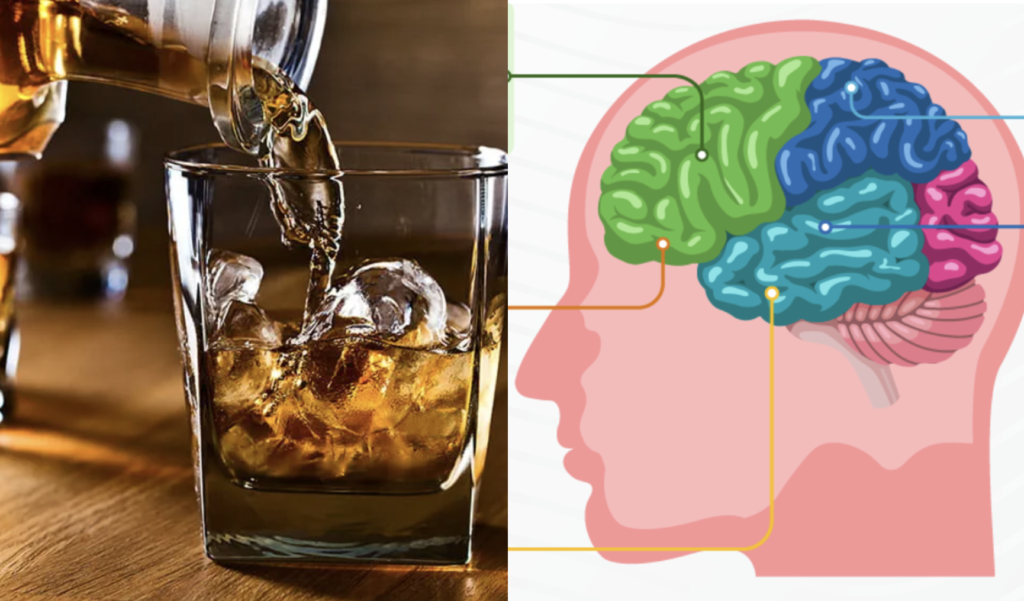
The brain is one of the organs most directly exposed to alcohol’s effects.
Alcohol can cross the blood-brain barrier and interact with neurotransmitter systems involved in inhibition, excitation, reward, attention, memory, mood, and motor coordination.
This is why alcohol can produce noticeable changes in behavior and cognitive function within a relatively short period.
After drinking, a person may experience:
- Slower reaction time
- Reduced attention
- Impaired judgment
- Reduced coordination
- Changes in mood
- Difficulty forming new memories
- Reduced inhibitory control
- Impaired decision-making
At higher levels of intoxication, these effects become more pronounced.
The World Health Organization notes that alcohol affects a wide range of structures and processes in the central nervous system.
Long-term exposure introduces additional concerns.
Repeated heavy drinking can be associated with changes in gray matter, white matter, cognitive function, sleep, nutritional status, cardiovascular health, and neurological function.
Alcohol Effects on the Brain: What Happens Biologically?
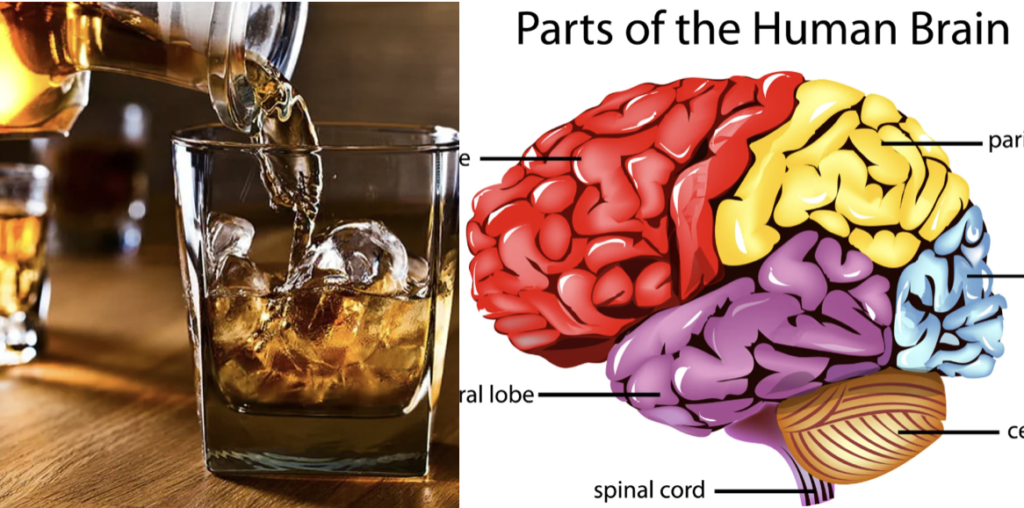
Alcohol affects the brain through several interconnected mechanisms.
It alters inhibitory and excitatory neurotransmission and can influence systems involving GABA, glutamate, dopamine, and other signaling pathways.
During intoxication, these changes can produce relaxation, reduced anxiety, impaired judgment, slower responses, and reduced coordination.
With repeated exposure, the brain adapts to the presence of alcohol.
This adaptation can contribute to tolerance and dependence.
When a person who has developed physiological dependence suddenly stops drinking, the nervous system may become excessively active, producing potentially dangerous withdrawal symptoms.
This is one reason people with heavy or prolonged alcohol consumption should seek medical advice before abruptly stopping.
Alcohol and Brain Structure
Modern magnetic resonance imaging has provided important information about the relationship between alcohol and brain structure.
Researchers can use MRI to examine gray matter, white matter, cortical thickness, regional brain volume, and other characteristics.
A large 2024 systematic review of neuroimaging research found associations between alcohol exposure and smaller brain volume or cortical thickness across several brain regions in adolescent and adult populations.
The findings included frontal, temporal, and parietal regions, as well as areas such as the insula and cingulate cortex.
These findings are important because they demonstrate that alcohol-related differences in brain structure are not restricted exclusively to people with severe alcohol use disorder.
However, MRI findings require careful interpretation.
A statistical difference in brain volume does not automatically mean that a person has dementia or clinically significant cognitive impairment.
Brain structure is only one component of neurological health.
Alcohol and Gray Matter
Gray matter contains large numbers of neuronal cell bodies and plays an important role in information processing.
Regions containing substantial gray matter participate in:
- Memory
- Attention
- Decision-making
- Emotional regulation
- Language
- Learning
- Executive function
Research involving people with alcohol use disorder has identified structural differences in several gray-matter regions.
A 2026 systematic review and meta-analysis found significant gray-matter alterations in people with alcohol use disorder, including changes involving the cingulate cortex and insula. The researchers also found relationships between measures of alcohol exposure and regional gray-matter differences.
These results provide evidence that the quantity and duration of alcohol exposure can be relevant to structural brain health.
Alcohol and White Matter
White matter consists largely of nerve fibers that connect different parts of the brain.
These connections allow different brain regions to communicate efficiently.
White-matter health is important for processing speed, attention, coordination, learning, and complex cognitive functions.
The 2026 meta-analysis of alcohol use disorder found white-matter alterations involving regions including the corpus callosum. The corpus callosum is an important structure connecting the two cerebral hemispheres.
The researchers also reported associations between longer abstinence and larger white-matter volumes in the analyzed studies.
This adds to evidence suggesting that at least some alcohol-associated brain changes may be partially reversible.
Alcohol and Cognitive Function
Cognitive function includes the mental abilities used to think, learn, remember, concentrate, make decisions, solve problems, and process information.
Alcohol can affect several cognitive domains.
These include:
- Memory
- Attention
- Processing speed
- Executive function
- Learning
- Reasoning
- Spatial processing
- Decision-making
- Cognitive flexibility
The scientific literature concerning lower levels of alcohol consumption and cognitive function has historically been inconsistent.
However, a 2026 systematic review and dose-response meta-analysis examined 20 cohort studies involving 78,657 participants.
The researchers found that heavy alcohol consumption of at least 67 grams per day was associated with lower cognitive function.
The evidence for a protective effect of low-to-moderate alcohol consumption remained uncertain.
Importantly, among studies that accounted for baseline cognitive function, alcohol consumption of approximately 28 grams per day or more was associated with lower cognitive function.
This illustrates why alcohol research needs careful interpretation.
People who already have subtle cognitive changes may change their drinking behavior, which can complicate observational findings.
Alcohol and Memory
Memory is particularly sensitive to alcohol.
Alcohol can interfere with the brain’s ability to encode and consolidate new information.
The hippocampus plays an important role in forming certain types of new memories, and alcohol can interfere with the neural activity required for normal memory formation.
Alcohol blackouts
An alcohol blackout is different from simply forgetting something.
During a blackout, a person may remain conscious and interact with others but fail to form lasting memories of events occurring during that period.
Blackouts generally occur in the context of rapid or heavy alcohol consumption.
Repeated blackouts are an important warning sign because they indicate substantial acute impairment.
Long-term heavy drinking can also be associated with persistent memory difficulties.
Memory problems may occur alongside impairments in attention, executive function, processing speed, and visuospatial abilities.
Alcohol and Executive Function
Executive function refers to the brain’s ability to manage complex behavior.
It includes:
- Planning
- Organization
- Inhibitory control
- Decision-making
- Problem-solving
- Working memory
- Cognitive flexibility
These functions depend heavily on interconnected networks involving the frontal regions of the brain.
Chronic heavy alcohol exposure can interfere with these networks.
A person may still be able to perform familiar everyday activities while experiencing difficulty with more complex planning, organization, or decision-making.
This is one reason cognitive impairment can sometimes remain unnoticed during the early stages.
Alcohol and Attention
Attention allows the brain to select and maintain focus on important information.
Acute alcohol intoxication can impair attention and concentration.
A person may become more easily distracted, process information more slowly, or have difficulty responding to changing circumstances.
Long-term heavy drinking can also be associated with persistent attention problems.
However, attention is influenced by many factors beyond alcohol.
Sleep deprivation, anxiety, depression, medications, nutritional deficiencies, cardiovascular disease, and other substances can all affect attention.
Alcohol and Brain Aging
Brain aging involves gradual changes in brain volume, connectivity, processing speed, and cognitive function.
Healthy aging is influenced by many factors, including:
- Blood pressure
- Exercise
- Sleep
- Nutrition
- Smoking
- Diabetes
- Cholesterol
- Social engagement
- Mental activity
- Genetics
- Alcohol consumption
Alcohol can become one additional factor within this larger picture.
Large-scale neuroimaging research has identified associations between alcohol consumption and differences in brain structure.
However, these findings do not mean that alcohol alone determines how quickly an individual’s brain ages.
A healthy approach to brain aging should therefore address multiple modifiable factors rather than focusing on alcohol alone.
Alcohol and Dementia Risk
The relationship between alcohol and dementia is one of the most debated areas of alcohol research.
Dementia is not a single disease. It is a syndrome involving progressive cognitive impairment that interferes with everyday life.
Alzheimer’s disease and vascular dementia are among the major causes.
Alcohol may influence dementia risk through several pathways.
Heavy alcohol exposure can contribute to:
- Brain structural changes
- High blood pressure
- Stroke
- Cardiovascular disease
- Atrial fibrillation
- Nutritional deficiencies
- Sleep disruption
- Head injuries
- Liver disease
- Cognitive impairment
What does the latest research show?
A 2026 systematic review and meta-analysis found no statistically significant overall association between alcohol exposure and all-cause dementia, Alzheimer’s disease, or vascular dementia when the available studies were pooled.
However, subgroup analyses showed that heavy alcohol consumption was associated with increased risks of all-cause dementia, Alzheimer’s disease, and vascular dementia.
The same research found lower observed risk in some light-to-moderate drinking groups.
This should not be interpreted as evidence that drinking alcohol protects the brain.
Observational studies can be affected by confounding, differences between lifelong abstainers and former drinkers, socioeconomic factors, lifestyle differences, and reverse causation.
Consequently, the strongest conclusion from current research is that heavy drinking represents a significant neurological concern, while the long-term effects of lower levels remain more uncertain.
Alcohol and Alzheimer’s Disease
Alzheimer’s disease develops through multiple biological processes.
Age, genetics, cardiovascular health, metabolic health, sleep, physical activity, and other lifestyle factors can influence risk.
Alcohol is one possible contributing factor, but it should not be considered in isolation.
The 2026 dementia meta-analysis did not find a statistically significant overall association between alcohol exposure and Alzheimer’s disease.
However, heavy alcohol consumption was associated with increased Alzheimer’s disease risk in subgroup analysis.
Heavy alcohol consumption may affect Alzheimer’s risk indirectly through vascular disease, hypertension, stroke, sleep disruption, nutritional deficiencies, and other pathways.
Alcohol and Vascular Brain Health
The brain depends on a healthy cardiovascular system.
Blood vessels deliver oxygen and nutrients to brain tissue.
Conditions that damage blood vessels can therefore affect neurological health.
High blood pressure is particularly important.
Long-term hypertension can damage small blood vessels in the brain and increase the risk of stroke and vascular cognitive impairment.
Alcohol can contribute to elevated blood pressure, especially at higher levels of consumption.
This creates an important connection between alcohol and blood pressure and alcohol and brain health.
Reducing excessive alcohol consumption may therefore support brain health indirectly by addressing an important cardiovascular risk factor.
Alcohol and Mental Health
Alcohol may temporarily change mood or reduce feelings of tension, but repeated use can contribute to sleep problems, mood instability, dependence, and worsening psychological symptoms.
The WHO reports that alcohol consumption is associated with mental health and behavioral conditions, including depression, anxiety, and alcohol use disorders.
People sometimes use alcohol to cope with stress, anxiety, loneliness, or emotional discomfort.
This can create a cycle in which short-term relief is followed by poorer sleep, rebound anxiety, worsening mood, or increased reliance on alcohol.
For this reason, addressing the underlying causes of psychological distress is generally more sustainable than relying on alcohol for emotional relief.
Alcohol and Sleep
Sleep is an essential component of brain health.
During sleep, the brain participates in memory consolidation, emotional regulation, and other physiological processes.
Alcohol can make some people feel sleepy initially, but that does not necessarily mean that sleep quality is improved.
Alcohol can disrupt normal sleep patterns and contribute to fragmented sleep later in the night.
Poor sleep can subsequently affect:
- Memory
- Attention
- Learning
- Mood
- Reaction time
- Decision-making
- Emotional regulation
Therefore, some cognitive problems experienced by regular drinkers may be related not only to alcohol’s direct effects on the brain but also to alcohol-related sleep disruption.
Alcohol, Nutrition, and Neurological Health
Nutrition is another important link between alcohol and neurological health.
Heavy alcohol consumption can be accompanied by inadequate dietary intake and impaired nutrient absorption.
Thiamine, or vitamin B1, is particularly important.
Severe thiamine deficiency can cause Wernicke encephalopathy, a serious neurological emergency.
If untreated, it can progress to Wernicke-Korsakoff syndrome, which can involve severe and persistent memory problems.
This illustrates why alcohol-related brain problems can result from several interacting mechanisms rather than direct alcohol toxicity alone.
Alcohol-Related Brain Damage
The term “alcohol-related brain damage” encompasses several different neurological consequences.
Depending on the person and the severity of alcohol exposure, these may include:
- Cognitive impairment
- Memory problems
- Executive-function difficulties
- Cerebellar dysfunction
- Peripheral neuropathy
- Wernicke encephalopathy
- Wernicke-Korsakoff syndrome
- Stroke-related neurological injury
- Traumatic brain injury associated with intoxication
- Structural brain changes
Not every person who consumes alcohol develops these conditions.
Risk is influenced by the amount and duration of drinking, nutritional status, age, genetics, other health conditions, and drinking patterns.
Alcohol Use Disorder and Neurological Health
Alcohol use disorder is different from occasional social drinking.
It involves impaired control over alcohol use despite negative consequences.
People with alcohol use disorder may experience cravings, tolerance, withdrawal, unsuccessful attempts to reduce consumption, or continued drinking despite physical, psychological, or social problems.
The neurological consequences can be substantial.
The 2026 structural brain meta-analysis found gray- and white-matter alterations among people with alcohol use disorder and reported relationships between brain changes and measures such as drinks per day, lifetime drinking, and years of dependence.
These findings emphasize that cumulative exposure matters.
Can the Brain Recover After Reducing or Stopping Alcohol?
One of the most encouraging areas of alcohol research concerns recovery.
The brain is capable of adaptation and remodeling.
Longitudinal studies suggest that some cognitive functions can improve after sustained abstinence.
Recovery does not necessarily happen at the same speed in every person.
Attention, processing speed, memory, and executive function may recover at different rates.
The extent of recovery can be influenced by age, duration of alcohol use disorder, nutritional status, smoking, medical complications, and other factors.
For people with alcohol use disorder, recovery should therefore be viewed as a process rather than an immediate event.
Alcohol and Cognitive Recovery
Research on cognitive recovery is increasingly encouraging.
Longitudinal evidence indicates that many cognitive domains can improve during months of abstinence.
However, recovery does not mean that every neurological change is guaranteed to disappear.
Some people may continue to experience cognitive difficulties, particularly after prolonged severe alcohol exposure or when neurological complications have developed.
Professional medical and addiction support can be particularly important for people with significant alcohol dependence.
Can Reducing Alcohol Improve Blood Pressure and Brain Health?
For people consuming excessive amounts of alcohol, reducing consumption can potentially address several overlapping risk factors.
Potential benefits may involve:
- Better blood pressure management
- Improved sleep
- Reduced cardiovascular stress
- Lower risk of alcohol-related injury
- Better nutritional status
- Reduced exposure to alcohol-related neurological effects
- Improved cognitive function over time in some people
The brain and cardiovascular system are closely connected.
Improving cardiovascular health can therefore also contribute to long-term brain health.
Supporting Brain Health Beyond Alcohol Reduction
Alcohol is only one factor affecting neurological health.
A comprehensive approach to brain health should also include:
Regular physical activity
Exercise supports cardiovascular health and healthy aging.
Healthy blood pressure
Maintaining a healthy blood pressure is important for both heart and brain health.
Adequate sleep
Consistent, high-quality sleep supports memory, concentration, and emotional regulation.
Nutrient-rich food
The brain requires adequate protein, vitamins, minerals, healthy fats, and other nutrients.
Avoiding tobacco
Smoking can damage blood vessels and increase cardiovascular and cerebrovascular risk.
Maintaining social connections
Social interaction is an important component of healthy aging.
Mental stimulation
Reading, learning, problem-solving, and other mentally stimulating activities can support cognitive engagement.
Managing stress
Chronic stress can affect sleep, mood, cardiovascular health, and daily behavior.
A sustainable lifestyle approach is generally more meaningful than relying on a single food, supplement, or health product.
Korean Wild Ginseng and Overall Wellness
Alongside reducing excessive alcohol consumption, maintaining healthy blood pressure, exercising, sleeping well, and eating a nutritious diet, some people choose traditional botanical ingredients such as Korean ginseng as part of their long-term wellness routine.
Korean ginseng, botanically known as Panax ginseng, contains naturally occurring compounds called ginsenosides.
These compounds have been extensively studied for their potential biological effects.
It is important, however, to distinguish research on ginseng from evidence about alcohol-related disease.
Korean ginseng should not be presented as a treatment for alcohol-related brain damage, hypertension, dementia, alcohol use disorder, or other diseases.
Instead, it can be considered as a traditional wellness ingredient that may complement a healthy lifestyle.
Potential Cognitive Benefits of Korean Ginseng
Interest in Korean ginseng and brain health has increased because ginsenosides interact with several biological pathways relevant to the nervous system.
A 2024 systematic review and meta-analysis evaluated randomized controlled trials examining ginseng and cognitive function. The authors noted that the clinical evidence remains controversial and that additional high-quality research is needed.
The U.S. National Center for Complementary and Integrative Health also reports that a small amount of research suggests Asian ginseng may improve certain aspects of cognitive performance, including abstract thinking, attention, arithmetic skills, and reaction time in some middle-aged adults. However, the evidence is not strong enough to establish ginseng as a treatment for cognitive disorders.
This makes Korean ginseng particularly interesting for people who want to support an active lifestyle and maintain mental engagement.
The scientifically appropriate wording is support, rather than claim that ginseng prevents dementia or reverses brain damage.
Korean Ginseng and Energy
Energy and fatigue are among the most common reasons people choose ginseng.
Research has produced mixed results.
A 2023 systematic review and meta-analysis examined 19 randomized controlled trials involving 2,413 participants. The researchers found that ginseng alone had a small beneficial effect on general, non-disease-specific fatigue, although results were not consistent across all types of fatigue.
The NCCIH similarly describes the evidence as suggesting a small potential benefit for general fatigue while noting that not all studies agree.
This means Korean ginseng may be a reasonable wellness option for people interested in supporting everyday vitality, but it should not be considered a replacement for adequate sleep, nutritious food, exercise, or medical evaluation of persistent fatigue.
Ginsenosides and Antioxidant Research
Ginsenosides are among the most extensively studied bioactive compounds in Panax ginseng.
Laboratory and preclinical research suggests that different ginsenosides may influence oxidative stress, inflammatory signaling, cellular pathways, and nervous-system processes.
A 2026 preclinical systematic review and meta-analysis examined the role of ginsenosides in biological mechanisms associated with aging and highlighted antioxidant and immunomodulatory pathways. However, preclinical evidence should not automatically be interpreted as proof of a clinical benefit in humans.
This distinction is important when discussing premium ginseng products.
Scientific research can support interest in the biological potential of ginseng without justifying claims that a particular product treats or prevents a disease.
Why Korean Wild Ginseng Is Especially Interesting
Wild and mountain-grown ginseng has a long history within Korean traditional culture.
Modern consumers may be interested in wild ginseng because of its traditional heritage, cultivation environment, age, purity, and naturally occurring ginsenoside profile.
However, claims that wild ginseng is universally “20 to 30 times more effective” than cultivated ginseng or that it can treat specific diseases should not be treated as established clinical facts without direct human evidence.
The quality of a ginseng product is better evaluated through factors such as:
- Botanical identity
- Source
- Cultivation conditions
- Age of the root
- Processing method
- Ginsenoside profile
- Purity
- Manufacturing quality
- Testing and certification
- Ingredient transparency
These characteristics are more useful for evaluating a premium ginseng product than relying solely on broad therapeutic claims.
Premium Korean Wild Ginseng Extract
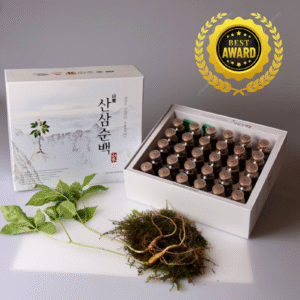
For consumers specifically interested in Korean wild or mountain-grown ginseng, Sansamsoonbaek Korean Wild Ginseng Extract is a premium option available through SeoulGinseng.com.
According to the product information, the extract is made from 7-year-old mountain-grown Korean wild ginseng and contains 100% wild ginseng extract without added sweeteners, thickeners, fillers, or preservatives. The product is supplied as 20 mL × 30 bottles.
The product page also states that it is produced in a Smart HACCP-certified facility and carries organic, vegan, and halal certifications.
For consumers looking for a convenient daily ginseng routine, a liquid extract can be particularly practical because the individual bottles are easy to incorporate into a consistent wellness schedule.
You can learn more about the product and its ingredients here:
Korean Wild Ginseng Extract — Sansamsoonbaek 20 mL × 30 Bottles
Korean Wild Ginseng as Part of a Long-Term Wellness Routine
Ginseng is best viewed as one component of a broader health routine.
A person interested in supporting long-term brain and cardiovascular health can combine healthy lifestyle habits such as:
- Limiting excessive alcohol
- Maintaining healthy blood pressure
- Exercising regularly
- Getting adequate sleep
- Eating a balanced diet
- Avoiding smoking
- Maintaining healthy body weight
- Staying mentally and socially active
- Managing stress
- Using appropriate wellness supplements when suitable
Within this framework, Korean wild ginseng can provide a traditional source of naturally occurring ginsenosides and can be incorporated into a consistent daily wellness routine.
The goal should not be to use ginseng to offset the effects of excessive alcohol consumption.
Reducing excessive alcohol remains important.
Ginseng should instead complement healthy lifestyle choices.
Alcohol and Ginseng: An Important Distinction
People sometimes ask whether taking ginseng makes drinking alcohol safer.
There is no scientific basis for treating ginseng as a way to neutralize alcohol.
Ginseng does not remove ethanol from the bloodstream, prevent intoxication, eliminate alcohol-related cardiovascular effects, or reverse alcohol-related neurological damage.
Therefore, a person should never use ginseng as a reason to drink more alcohol.
The more appropriate approach is to reduce excessive alcohol exposure and use Korean ginseng, when appropriate, as part of a broader wellness routine.
Safety Considerations for Korean Ginseng
Although Korean ginseng has a long history of traditional use, natural does not automatically mean risk-free.
The NCCIH states that short-term oral use of Asian ginseng in recommended amounts appears to be safe for most people, but insomnia is the most common reported side effect. Less common concerns include allergic reactions and other adverse effects.
Ginseng may also interact with certain medications.
NCCIH notes uncertainties regarding possible interactions with some blood-pressure medications, calcium channel blockers, statins, and certain antidepressants. Evidence concerning interactions with warfarin has also been mixed.
People taking prescription medication, particularly medication for blood pressure, blood clotting, diabetes, or other chronic conditions, should discuss ginseng supplementation with a healthcare professional.
Pregnant or breastfeeding individuals should also consult a healthcare professional before using ginseng.
How Alcohol Reduction and Healthy Lifestyle Habits Work Together
The most meaningful approach to brain and cardiovascular health is not based on one supplement.
It is based on reducing major risk factors while consistently supporting healthy habits.
For someone drinking heavily, reducing alcohol can address an important source of cardiovascular and neurological stress.
Maintaining healthy blood pressure can reduce vascular strain.
Regular exercise supports cardiovascular fitness.
Good sleep supports memory and cognitive performance.
A nutrient-rich diet provides the raw materials required for normal neurological function.
Korean wild ginseng can then be viewed as an optional traditional wellness ingredient within this broader framework.
This approach is more consistent with current scientific evidence than claiming that any single food or supplement can counteract unhealthy drinking.
Practical Strategies for Better Brain and Cardiovascular Health
1. Monitor alcohol consumption
Know approximately how much alcohol you consume and how often.
Pay attention not only to weekly averages but also to large amounts consumed on a single occasion.
2. Avoid repeated heavy drinking
Heavy episodic drinking can create substantial acute neurological and cardiovascular stress.
3. Check your blood pressure
Because hypertension can be silent, regular measurement can provide information that symptoms cannot.
4. Protect sleep
If alcohol is interfering with sleep, reducing alcohol may be an important part of improving sleep quality.
5. Eat nutrient-dense foods
A balanced diet supports both cardiovascular and neurological health.
6. Stay physically active
Regular movement supports circulation, cardiovascular fitness, metabolic health, and healthy aging.
7. Maintain mental activity
Reading, learning, social interaction, and challenging cognitive activities can help maintain an engaged lifestyle.
8. Consider a consistent wellness routine
Traditional ingredients such as Korean ginseng may be included when appropriate and when there are no contraindications or medication interactions.
9. Seek professional help when necessary
If alcohol consumption feels difficult to control, medical and addiction professionals can provide evidence-based support.
When to Seek Medical Attention
Professional medical assessment is important if someone experiences:
- Persistent memory problems
- Significant confusion
- Recurrent blackouts
- Tremors after stopping alcohol
- Seizures
- Severe withdrawal symptoms
- Persistent high blood pressure
- Unexplained neurological symptoms
- Difficulty controlling alcohol consumption
- Major changes in mood or behavior
Severe alcohol withdrawal can be dangerous.
Someone who has been drinking heavily for a prolonged period should not assume that suddenly stopping without medical guidance is always safe.
The Bigger Picture: Alcohol, Blood Pressure, and Brain Health
The relationship between alcohol, blood pressure, and the brain demonstrates why health should be viewed as an interconnected system.
Alcohol can affect blood pressure.
Blood pressure can affect blood vessels.
Blood vessels affect the brain.
Alcohol can affect sleep.
Sleep affects memory and cognitive function.
Alcohol can affect nutrition.
Nutrition affects neurological function.
Alcohol can also affect mental health, while mental health can influence drinking behavior.
These pathways can reinforce one another.
For this reason, reducing excessive alcohol consumption may provide benefits that extend well beyond the liver.
It can potentially contribute to better cardiovascular risk management, improved sleep, healthier daily routines, and reduced exposure to alcohol-related neurological harm.
Final Perspective
Current research shows that alcohol affects much more than the liver.
Alcohol can influence blood pressure, cardiovascular health, sleep, memory, attention, executive function, mood, brain structure, and neurological health.
The evidence is particularly consistent regarding heavy and prolonged alcohol consumption.
Heavy drinking is associated with poorer cognitive function, structural brain changes, and increased neurological risks. A 2026 systematic review and meta-analysis found lower cognitive function among people consuming high levels of alcohol, while evidence for a protective effect from low-to-moderate consumption remained uncertain.
Similarly, a 2026 meta-analysis found no statistically significant overall association between alcohol exposure and dementia, Alzheimer’s disease, or vascular dementia, but heavy alcohol consumption was associated with increased risk in subgroup analyses.
Research involving people with alcohol use disorder also demonstrates measurable gray- and white-matter alterations, with relationships between brain changes and cumulative alcohol exposure.
These findings do not mean that every person who drinks alcohol will develop neurological disease.
They do show why drinking patterns, total exposure, cardiovascular health, sleep, nutrition, and individual risk factors matter.
One of the encouraging findings is that the brain has some capacity for recovery. Research suggests that cognitive and structural improvements can occur after sustained abstinence, particularly among people with alcohol use disorder.
Alongside reducing excessive alcohol consumption, people can support long-term brain and cardiovascular health through regular exercise, healthy blood pressure, adequate sleep, balanced nutrition, avoidance of smoking, stress management, and an active social and intellectual lifestyle.
Korean wild ginseng can also be considered as part of this broader wellness approach. Research on Panax ginseng suggests potential benefits for aspects of cognitive performance and general fatigue, although the clinical evidence remains limited and does not establish ginseng as a treatment for neurological disease.
For people interested in a premium Korean ginseng product, Sansamsoonbaek Korean Wild Ginseng Extract provides a convenient liquid format made from 7-year-old mountain-grown Korean wild ginseng, with no added sweeteners, thickeners, fillers, or preservatives according to the manufacturer’s product information.
Explore Sansamsoonbaek Korean Wild Ginseng Extract
The most sustainable approach to long-term health is not to search for a single product that can compensate for unhealthy habits. Instead, it is to build a consistent lifestyle that protects the cardiovascular system, supports the brain, and provides the body with adequate sleep, nutrition, movement, and recovery.
Korean wild ginseng can be a valuable traditional wellness ingredient within that broader routine, particularly for people interested in naturally sourced ginseng and its naturally occurring ginsenosides.
Medical Disclaimer
This article is for general educational purposes and does not provide individualized medical advice, diagnosis, or treatment. Alcohol-related health risks vary substantially between individuals. Anyone with high blood pressure, alcohol use disorder, persistent cognitive symptoms, neurological symptoms, or other medical conditions should consult a qualified healthcare professional. People who drink heavily or may be physically dependent on alcohol should seek medical advice before abruptly stopping alcohol because withdrawal can be dangerous. Herbal supplements can also interact with medications, so individuals taking prescription medicines should discuss ginseng use with their healthcare professional.
External Resources
For additional evidence-based information, readers can consult the World Health Organization’s alcohol information and the National Center for Complementary and Integrative Health information on Asian ginseng.

🇰🇷 Premium Korean Ginseng Online Shop | SeoulGinseng.com
We’re a Korea-based online shop dedicated to authentic, premium Korean ginseng
Boost your health naturally with premium Korean ginseng!
🇰🇷 All orders are shipped directly from Korea with free worldwide shipping.
🎁 20% OFF Your Order — Use Code: vip20 — Limited to the First 3 Orders Each Day!