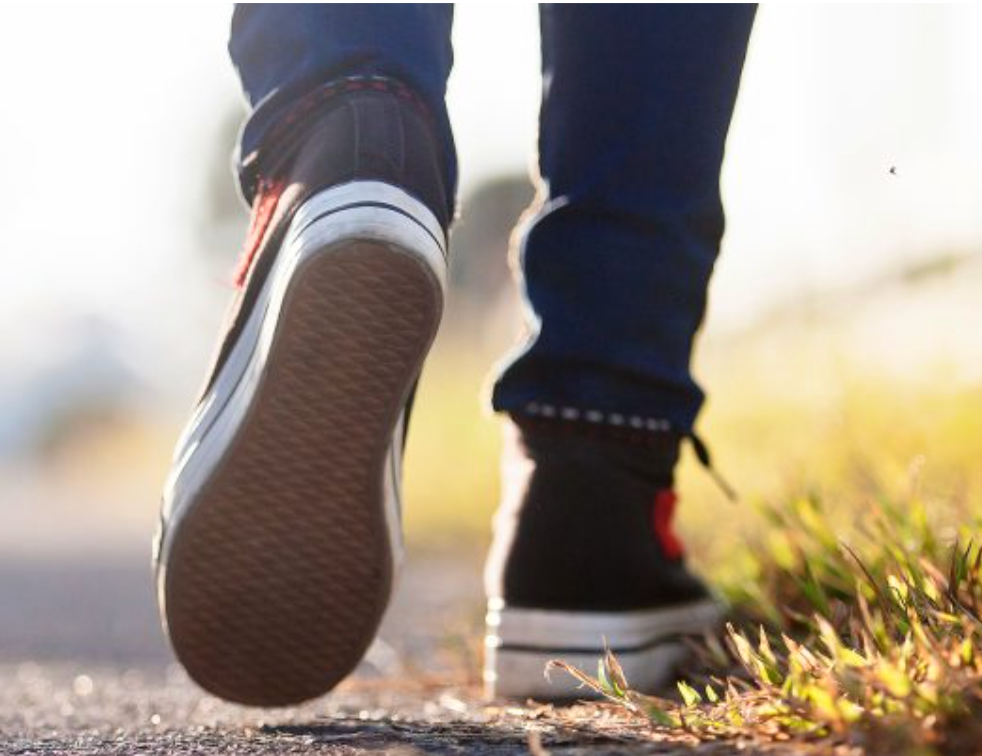
Walking is one of the simplest and most accessible forms of physical activity. It can be incorporated into everyday life without specialized equipment or a gym membership. Regular walking can support cardiovascular health, healthy blood pressure, metabolic health, weight management, mental well-being, physical function, and healthy aging.
Recent research has also changed how experts understand daily step counts. Although 10,000 steps remains a reasonable personal goal for people who enjoy walking, current evidence does not establish 10,000 steps as a universal medical requirement. A large 2025 systematic review found that several important health outcomes showed meaningful associations with daily step counts around 5,000 to 7,000 steps per day.
The broader message is simple. Increasing physical activity from a low level can be meaningful, and walking provides one of the easiest ways to become more active.
What Is Walking and Why Is It Important for Health?

Walking is a form of physical activity that uses large muscle groups and increases energy expenditure. When walking becomes brisk enough, it also increases breathing and heart rate, providing a moderate-intensity aerobic workout for many adults.
Walking can also replace sedentary behavior. Instead of spending long periods sitting at a desk, in a car, or in front of a screen, people can introduce short periods of movement throughout the day.
This makes walking different from exercise that requires a dedicated workout session. Walking can happen while commuting, shopping, traveling, taking a lunch break, walking with family, or completing everyday activities.
The current CDC physical activity guidelines recommend that adults obtain at least 150 minutes of moderate-intensity aerobic activity each week, such as brisk walking. Adults should also perform muscle-strengthening activities on at least two days each week. The weekly activity can be divided into smaller periods, and some physical activity is better than none.
Walking Health Benefits
Regular walking can contribute to several aspects of physical and mental health. The benefits depend on factors such as walking frequency, duration, intensity, baseline fitness, age, and overall lifestyle.
Walking and Cardiovascular Health

Walking can support cardiovascular health by increasing physical activity and cardiorespiratory demand.
Regular physical activity is associated with a lower risk of cardiovascular disease and can contribute to improvements in cardiovascular fitness and other risk factors.
Recent evidence on daily steps supports this relationship. A 2025 systematic review and dose-response meta-analysis included 57 studies from 35 cohorts. Compared with approximately 2,000 steps per day, 7,000 steps per day was associated with a 25 percent lower risk of cardiovascular disease incidence.
These findings describe an association rather than proving that reaching exactly 7,000 steps causes a specific reduction in cardiovascular risk.
Cardiovascular health is also influenced by blood pressure, cholesterol, blood glucose, smoking, diet, body weight, sleep, genetics, and other factors.
Walking should therefore be considered one part of a comprehensive cardiovascular-health strategy.
Walking and Blood Pressure

Walking has also been studied as a practical form of activity for supporting healthy blood pressure.
Regular aerobic activity can improve cardiovascular fitness and may contribute to healthier blood-pressure levels over time.
The effect varies between individuals. Age, baseline blood pressure, body weight, medication use, walking intensity, diet, sleep, and other lifestyle factors can influence the response.
People with high blood pressure should continue following appropriate medical advice. Walking can complement a healthy lifestyle but should not replace prescribed treatment.
Walking and Blood Sugar
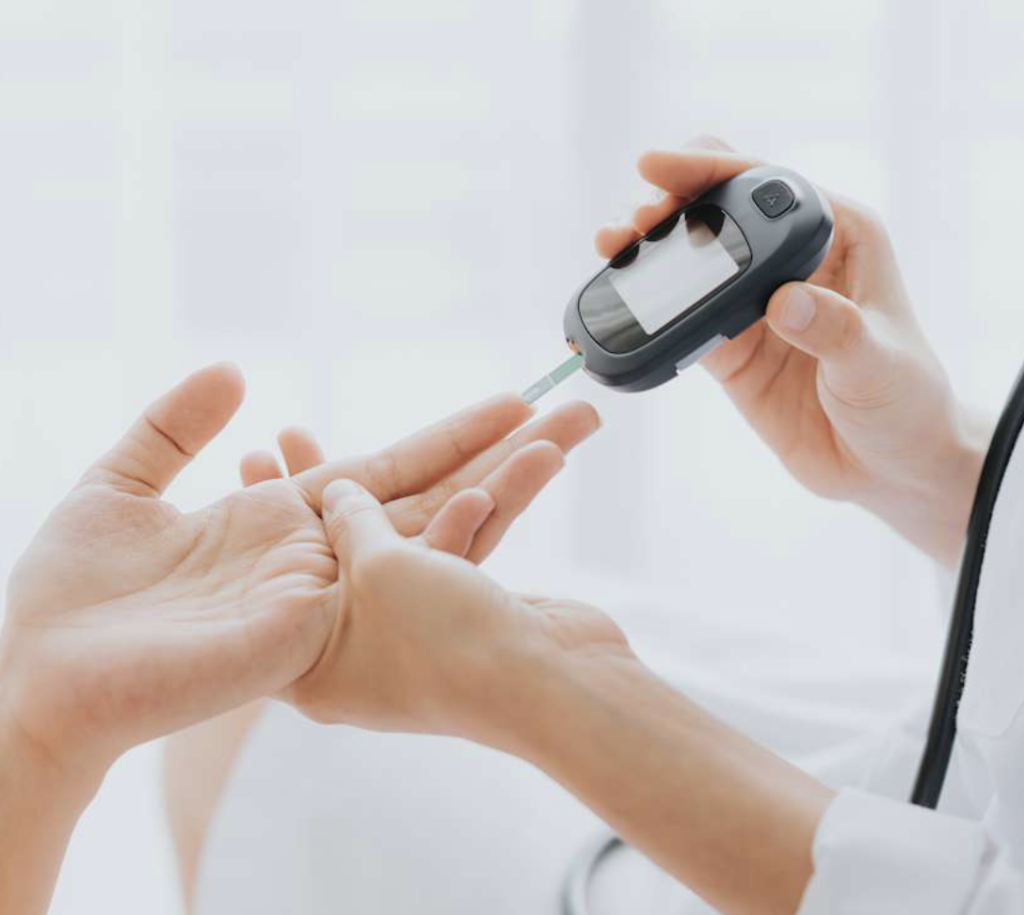
Walking can also influence glucose metabolism.
During physical activity, working muscles use energy and glucose. Regular movement can therefore contribute to metabolic health.
Recent research has increased interest in breaking up prolonged periods of sitting with short periods of physical activity. This approach may be particularly relevant for people who spend much of their working day seated.
Walking after meals is another practical way to introduce movement into a daily routine. The precise response can vary according to the timing and duration of walking, the meal, and individual metabolic health.
People with diabetes should consider their medications, glucose levels, and individual medical circumstances when changing their exercise routine.
Walking and Type 2 Diabetes

Higher levels of physical activity are associated with a lower risk of type 2 diabetes.
The 2025 daily-step meta-analysis found that, compared with approximately 2,000 steps per day, 7,000 steps was associated with a 14 percent lower risk of type 2 diabetes.
This does not mean that walking exactly 7,000 steps prevents diabetes.
Type 2 diabetes is influenced by genetics, age, body composition, diet, physical activity, sleep, insulin sensitivity, medications, and other factors.
Walking is therefore best viewed as one component of an overall strategy for metabolic health.
Walking and Weight Management
Walking increases energy expenditure and can contribute to weight management.
The amount of energy used during walking depends on body weight, speed, distance, terrain, and duration.
A brisk uphill walk generally requires more energy than a short, slow walk. However, weight management is not determined by walking alone.
Dietary intake, appetite, sleep, genetics, medications, stress, and other factors also influence body weight.
The CDC notes that physical activity increases energy expenditure and can contribute to weight loss when combined with appropriate dietary changes. Regular physical activity is also important for maintaining weight loss.
For many people, walking is useful because it can be performed frequently and maintained over the long term.
Walking and Daily Steps
Daily step count has become a popular way to monitor physical activity because smartphones, smartwatches, and other wearable devices can measure movement throughout the day.
Step counts provide a simple way to understand how active a person is. However, they do not capture everything about physical activity.
Two people may take the same number of steps while walking at very different speeds or levels of effort. Walking uphill, walking briskly, and walking on uneven terrain can produce a greater physiological demand than slow walking on a flat surface.
For this reason, step count should be considered one useful measurement rather than a complete measure of fitness.
How Many Steps Should You Walk Every Day?
There is no single daily step count that is medically necessary for everyone.
A major 2025 systematic review found nonlinear associations between daily steps and several outcomes, including all-cause mortality, cardiovascular disease incidence, dementia, and falls. The researchers found important inflection points around 5,000 to 7,000 steps per day for several outcomes.
Compared with approximately 2,000 steps per day, 7,000 steps was associated with:
- 47 percent lower risk of all-cause mortality.
- 25 percent lower risk of cardiovascular disease incidence.
- 47 percent lower risk of cardiovascular disease mortality.
- 14 percent lower risk of type 2 diabetes.
- 38 percent lower risk of dementia.
- 22 percent lower risk of depressive symptoms.
- 28 percent lower risk of falls.
These percentages should not be interpreted as guaranteed effects for an individual person. Most of the evidence included in this analysis was observational, meaning that researchers observed activity patterns and subsequent health outcomes rather than randomly assigning people to specific daily step counts.
The researchers also identified limitations including residual confounding, differences between study populations, and limited evidence for some outcomes.
Is 10,000 Steps a Day Necessary?

The 10,000-step goal is not a universal medical requirement.
It can still be a useful personal target for people who enjoy walking and can comfortably achieve it. However, current research suggests that meaningful health associations can occur at substantially lower step counts.
For someone who currently walks 2,000 steps per day, increasing to 3,000 or 4,000 steps may be meaningful progress.
A person can then gradually increase toward 5,000, 6,000, or 7,000 steps if appropriate.
Someone who already walks 8,000 or 10,000 steps comfortably does not necessarily need to increase the number simply because of the number itself.
The most useful goal is sustainable movement rather than an arbitrary pass-or-fail target.
Walking Intensity Matters
Step count tells us how much a person moves, but walking intensity tells us how hard the body is working.
Brisk walking can qualify as moderate-intensity aerobic activity. Moderate-intensity activity generally makes breathing and heart rate increase while still allowing a person to talk.
A practical way to increase walking intensity is to gradually increase speed.
Other options include walking uphill, using stairs, walking on varied terrain, or incorporating short periods of faster walking into an otherwise comfortable walk.
Intensity should be individualized.
A pace that feels moderate to one person may be vigorous for another.
Slow Walking Can Still Be Valuable
Not every walk needs to be a workout.
Easy walking can increase total daily movement and reduce time spent sitting.
It can be particularly useful for beginners, older adults, people returning to activity, or people with mobility limitations.
Once comfortable, a person can gradually increase duration or introduce brisk walking.
The goal should be appropriate progression rather than maximum intensity.
Walking and Sedentary Behavior
Modern lifestyles often involve prolonged sitting.
People may spend several hours sitting at work, during transportation, while watching television, or while using computers and mobile devices.
Current physical activity guidance therefore emphasizes both increasing physical activity and reducing sedentary time. The CDC specifically advises adults to move more and sit less.
Walking breaks can be an easy way to interrupt prolonged sitting.
Examples include walking around the workplace, taking a short walk during lunch, walking while talking on the phone, taking stairs when appropriate, or walking around the neighborhood.
These small periods of movement can accumulate throughout the day.
Walking and Mental Health
Walking can also support mental well-being.
Physical activity is associated with psychological benefits, including reduced anxiety symptoms, improved mood, and better overall well-being.
A 2024 systematic review and meta-analysis involving 33 observational studies and more than 96,000 adults found that higher daily step counts were associated with fewer depressive symptoms. In prospective cohort studies, people taking at least 7,000 steps per day had a lower risk of depression than those taking fewer than 7,000 steps.
However, these findings do not prove that walking alone prevents or treats depression.
Mental health conditions are complex and may require professional assessment and treatment.
Walking can instead be viewed as one supportive lifestyle behavior that may contribute to physical and psychological well-being.
Walking and Brain Health

Brain health is another important area of physical activity research.
Regular movement may support brain health through cardiovascular fitness, vascular function, metabolic health, social interaction, and other mechanisms.
The 2025 daily-step meta-analysis found an inverse association between daily steps and dementia. At approximately 7,000 steps compared with 2,000 steps, the analysis found a 38 percent lower risk of dementia.
This finding should be interpreted cautiously.
Dementia has many risk factors, and people who walk more may also have differences in diet, cardiovascular health, education, socioeconomic circumstances, social engagement, and other factors.
Current research therefore supports physical activity as part of a healthy-aging lifestyle but does not establish walking alone as a dementia-prevention treatment.
Walking and Healthy Aging
Walking becomes particularly important with age because maintaining mobility can help people remain independent.
Regular walking can support endurance, mobility, and the ability to perform everyday activities.
Current CDC recommendations for adults aged 65 and older include at least 150 minutes of moderate-intensity aerobic activity per week, muscle-strengthening activities on at least two days, and activities that improve balance.
Walking can provide the aerobic component, but older adults should generally combine it with strength and balance exercises.
This broader approach is important because healthy aging depends on cardiovascular fitness, muscle strength, balance, mobility, cognitive health, and social well-being.
Walking and Falls
Falls are an important health concern among older adults.
Maintaining mobility and physical function can support independence, but walking alone does not address every factor associated with falling.
The 2025 daily-step meta-analysis found an association between higher daily steps and lower fall risk, although the certainty of evidence for falls was rated very low.
Older adults with an increased risk of falls may also benefit from balance training, strength exercises, appropriate footwear, vision care, medication review, and environmental safety.
Walking and Sleep
Physical activity is also connected with sleep health.
Walking can increase daytime activity and contribute to a regular daily routine.
A recent systematic review and meta-analysis of 36 studies involving 8,192 adults found that higher daily steps were associated with better sleep quality, although the researchers noted that the relationships between daily steps and specific sleep outcomes were complex.
Walking should not be considered a universal treatment for insomnia or sleep disorders.
People with persistent sleep difficulties, excessive daytime sleepiness, loud snoring, or suspected sleep apnea should seek appropriate medical evaluation.
Walking Outdoors
Outdoor walking can make physical activity more enjoyable and provide opportunities for social interaction and exposure to natural daylight.
However, outdoor walking is not required to obtain the basic physical-activity benefits of walking.
Indoor walking can also be useful during extreme weather, poor air quality, unsafe traffic conditions, or other circumstances.
Shopping centers, indoor tracks, gyms, workplaces, and home environments can all provide opportunities for walking.
The best environment is one that allows a person to walk safely and consistently.
Walking After Meals
Walking after meals is a practical way to incorporate movement into an existing routine.
Because muscle activity uses glucose, walking after eating has attracted research interest as a potential strategy for supporting post-meal glucose regulation.
The broader research on physical activity and sedentary behavior supports the value of introducing movement throughout the day rather than relying entirely on one exercise session.
A short walk after breakfast, lunch, or dinner can therefore be an easy habit to establish.
The exact duration and intensity can be adjusted according to individual ability and health status.
Walking and Social Connection
Walking with friends, family members, coworkers, or community groups can make physical activity more enjoyable.
A social walking routine can provide accountability and create a regular opportunity for interaction.
For older adults, walking may provide both physical activity and social engagement.
These combined benefits can make walking easier to maintain over the long term.
Walking Versus Running
Running generally creates greater cardiovascular and musculoskeletal demands than walking at the same duration.
However, higher intensity is not necessary for everyone.
Walking may be particularly suitable for beginners, older adults, people who prefer lower-impact activity, and people gradually returning to exercise.
The most effective activity is often the activity a person can perform safely and consistently.
Can Walking Replace Strength Training?
Walking is valuable, but it does not replace resistance training.
Walking primarily provides aerobic activity and functional movement. Strength training provides a different stimulus that helps maintain and develop muscular strength.
Current guidelines recommend muscle-strengthening activity on at least two days each week in addition to aerobic activity.
A balanced exercise routine can therefore include walking, resistance training, balance exercises, and mobility work.
Walking for People With Chronic Conditions
Many people with chronic conditions can benefit from physical activity, but the appropriate amount and intensity vary.
The CDC recommends that adults with chronic health conditions or disabilities who are able should generally aim for at least 150 minutes of moderate-intensity aerobic activity per week and muscle-strengthening activities on at least two days. Activities should be adapted to individual abilities and circumstances.
Walking is particularly adaptable because speed, duration, terrain, and frequency can all be modified.
Someone who is significantly deconditioned may begin with several minutes of slow walking.
Another person may be able to walk briskly for longer periods.
People with significant cardiovascular symptoms, severe mobility limitations, unstable medical conditions, or other concerns should discuss an appropriate exercise plan with a healthcare professional.
How to Start a Walking Routine
A walking routine does not need to begin with 10,000 steps.
The first step is to understand your current activity level.
If you currently walk very little, start with a manageable amount that can be repeated consistently.
Once that becomes comfortable, gradually increase the duration.
After building a basic routine, introduce periods of brisk walking if appropriate.
The CDC recommends starting slowly and gradually working toward the recommended amount of physical activity.
Start With Short Walks
A short walk can be enough to begin.
The goal is to create a routine that feels achievable.
Increase Walking Time Gradually
Add a few minutes at a time as your fitness improves.
There is no need to increase duration dramatically from one week to the next.
Add Brisk Walking
Once comfortable with regular walking, gradually introduce faster periods.
Reduce Long Periods of Sitting
Use short walking breaks throughout the day.
Add Strength and Balance Training
Combine walking with muscle-strengthening exercises and, particularly for older adults, balance activities.
How to Make Walking a Long-Term Habit
Consistency is more important than occasional extreme effort.
Walking can be attached to existing routines such as breakfast, lunch, dinner, commuting, shopping, or phone calls.
For example, a person could walk after dinner every evening or take a short walking break during the workday.
Creating a predictable routine reduces the need to rely on motivation.
Tracking steps can also provide useful feedback, but it should not create unnecessary pressure.
One day with fewer steps does not mean that a person has failed.
Long-term patterns are more important than individual days.
A Practical Weekly Walking Plan
For a healthy adult who is currently inactive, a gradual plan might begin with several short walks throughout the week.
As fitness improves, the person can gradually approach the current guideline of at least 150 minutes of moderate-intensity aerobic activity each week.
For example, brisk walking could be performed for approximately 30 minutes on five days of the week.
The 150 minutes can also be divided into shorter periods according to the person’s schedule.
A complete weekly exercise routine should also include muscle-strengthening activities on at least two days.
Older adults should additionally include balance exercises.
The appropriate routine will depend on age, fitness, health status, schedule, and individual preference.
What the Research Does Not Prove
It is important to distinguish association from causation.
Many long-term studies of daily steps are observational.
Researchers measure people’s activity and then observe health outcomes over time.
This type of research is valuable for studying large populations but cannot completely establish cause and effect.
For example, a person who takes very few steps may already have arthritis, cardiovascular disease, frailty, chronic pain, or another condition that limits movement.
In that situation, poor health may partly explain the low step count.
This is one reason why researchers and health professionals should be cautious about interpreting step-count studies.
The 2025 systematic review itself identified residual confounding and limitations in the available evidence.
The evidence nevertheless consistently supports greater physical activity as an important component of a healthy lifestyle.
Why Small Increases in Walking Matter
One of the most useful lessons from recent research is that physical activity does not need to begin at a high level to be meaningful.
Someone averaging 2,000 steps may begin by adding 500 or 1,000 steps.
Later, they may increase the target again.
This gradual progression can be more realistic than immediately attempting 10,000 steps.
Small improvements can also reduce the psychological barrier associated with exercise.
The goal is not perfection.
The goal is sustainable progress.
Walking and a Healthy Lifestyle
Walking works best as part of a broader healthy lifestyle.
Other important health behaviors include:
- Eating a balanced and nutritious diet.
- Getting sufficient sleep.
- Avoiding tobacco.
- Managing stress.
- Maintaining appropriate alcohol habits.
- Performing strength exercises.
- Maintaining social connections.
- Attending appropriate preventive healthcare.
Walking cannot completely compensate for severe sleep deprivation, smoking, poor nutrition, or untreated medical conditions.
Its value comes from being one practical component of an overall healthy lifestyle.
Walking Safety
Walking is generally a low-impact activity, but injuries can still occur.
People who are new to exercise should avoid increasing walking volume too quickly.
Persistent foot, ankle, shin, knee, hip, or back pain may indicate that activity needs to be modified or medically evaluated.
Environmental safety is also important.
Consider traffic, lighting, weather, air quality, terrain, and other conditions.
People with balance difficulties may need additional precautions.
Anyone experiencing chest pain, fainting, severe shortness of breath, or unusual dizziness during physical activity should seek appropriate medical attention.
When to Seek Professional Advice
Many healthy adults can gradually increase ordinary walking without extensive medical evaluation.
However, people with significant chronic health conditions, severe mobility limitations, or unexplained exercise-related symptoms may benefit from individualized professional guidance.
The CDC recommends that people with chronic conditions or disabilities consult a healthcare professional or physical activity specialist about appropriate types and amounts of activity when needed.
Individualized guidance can help determine appropriate intensity, progression, and safety precautions.
The Bigger Picture of Walking and Health
Current research does not support the idea that one step count, one walking speed, or one walking routine determines health.
Instead, walking appears to be part of a continuum of physical activity.
A person who currently moves very little can benefit from becoming more active.
Someone who already walks regularly may benefit from increasing duration or adding brisk walking.
A highly active person may focus on maintaining activity while adding strength and balance exercises.
This individualized approach is more consistent with current evidence than treating 10,000 steps as a universal requirement.
Conclusion
Walking is a simple form of physical activity, but its potential contribution to long-term health is substantial.
Research has consistently associated greater habitual movement with better cardiovascular health, healthier metabolic function, improved physical capacity, better psychological well-being, and healthier aging.
The latest evidence also suggests that meaningful health associations can occur below the traditional 10,000-step target. A 2025 systematic review found important relationships around 5,000 to 7,000 daily steps for several major health outcomes, while emphasizing that the evidence has important limitations and should not be interpreted as proof of a universal optimal step count.
For general adult health, current guidelines recommend at least 150 minutes of moderate-intensity aerobic activity each week, such as brisk walking, together with muscle-strengthening activities on at least two days per week.
The most practical approach is therefore not to focus exclusively on reaching a perfect number.
Instead, focus on moving more, sitting less, walking regularly, and gradually increasing activity according to individual ability.
A short walk can be a meaningful starting point.
Over time, those short walks can become a consistent routine and an important part of a healthy lifestyle.
Walking may be simple, but when performed regularly over months and years, it can become one of the most practical ways to support lifelong physical activity and overall health.

🇰🇷 Premium Korean Ginseng Online Shop
We’re a Korea-based online shop dedicated to authentic, premium Korean ginseng
Boost your health naturally with premium Korean ginseng!
🇰🇷 All orders are shipped directly from Korea with free worldwide shipping.
🎁 20% OFF Your Order — Use Code: vip20 at Checkout— Limited to the First 3 Orders Each Day!