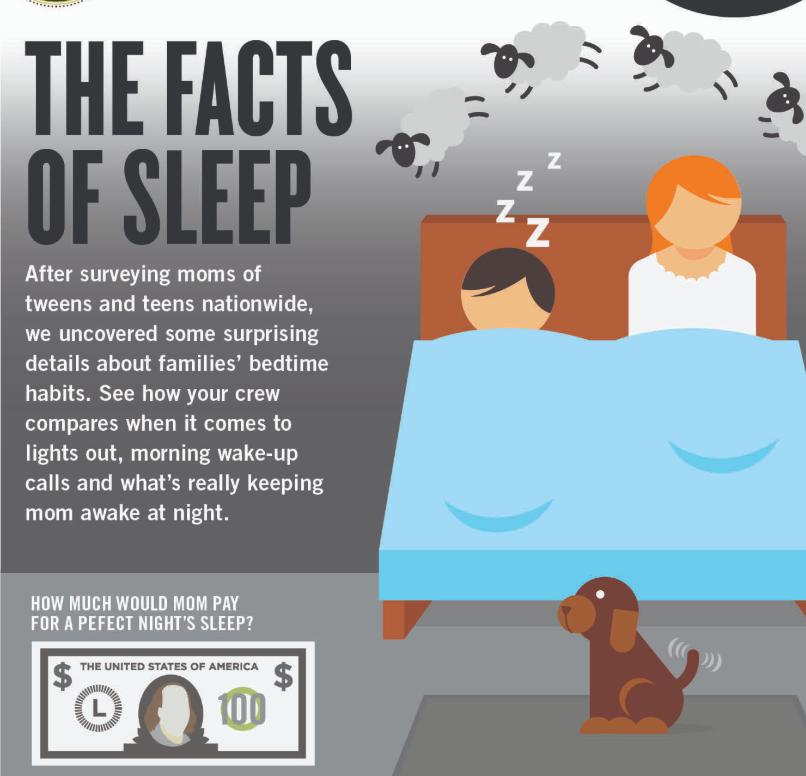
A healthy sleep schedule is about more than simply going to bed early. Healthy sleep involves getting enough sleep, maintaining a consistent sleep and wake time, getting appropriate daytime light exposure, and creating an environment that supports good sleep quality. The American Academy of Sleep Medicine states that healthy sleep requires adequate duration, good quality, appropriate timing, regularity, and the absence of untreated sleep disorders. (AASM)
Why a Healthy Sleep Schedule Matters
For most adults, getting at least seven hours of sleep regularly is an important foundation of healthy sleep. The American Academy of Sleep Medicine recommends seven or more hours per night for adults, while the CDC notes that adults aged eighteen to sixty generally need at least seven hours. (AASM)
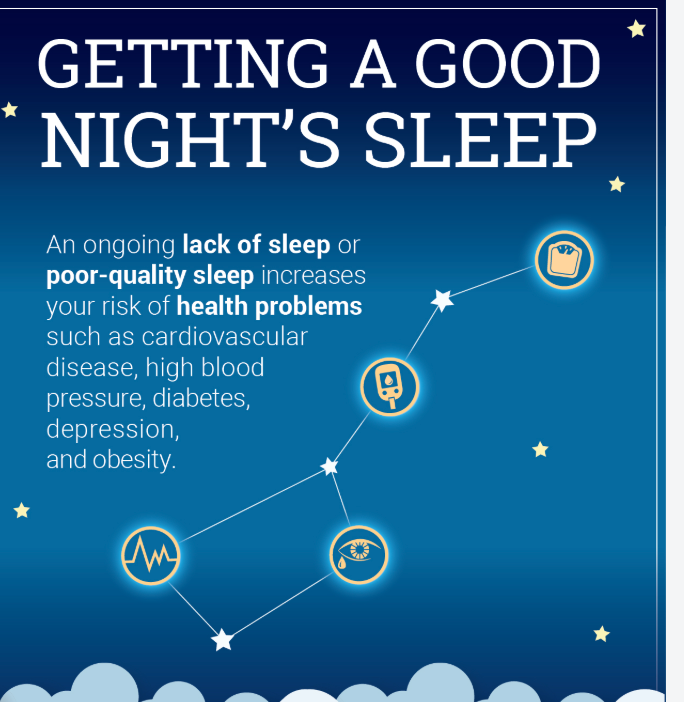
Consistently getting too little sleep has been associated with several health problems, including cardiovascular disease, high blood pressure, type two diabetes, obesity, depression, impaired performance, and increased risk of accidents. (PMC)
However, sleep duration is only one part of the picture. A person can spend enough time in bed but still experience poor sleep if their schedule is highly irregular or their sleep is repeatedly interrupted.
How to Create a Healthy Sleep Schedule
Keep a Consistent Wake Time
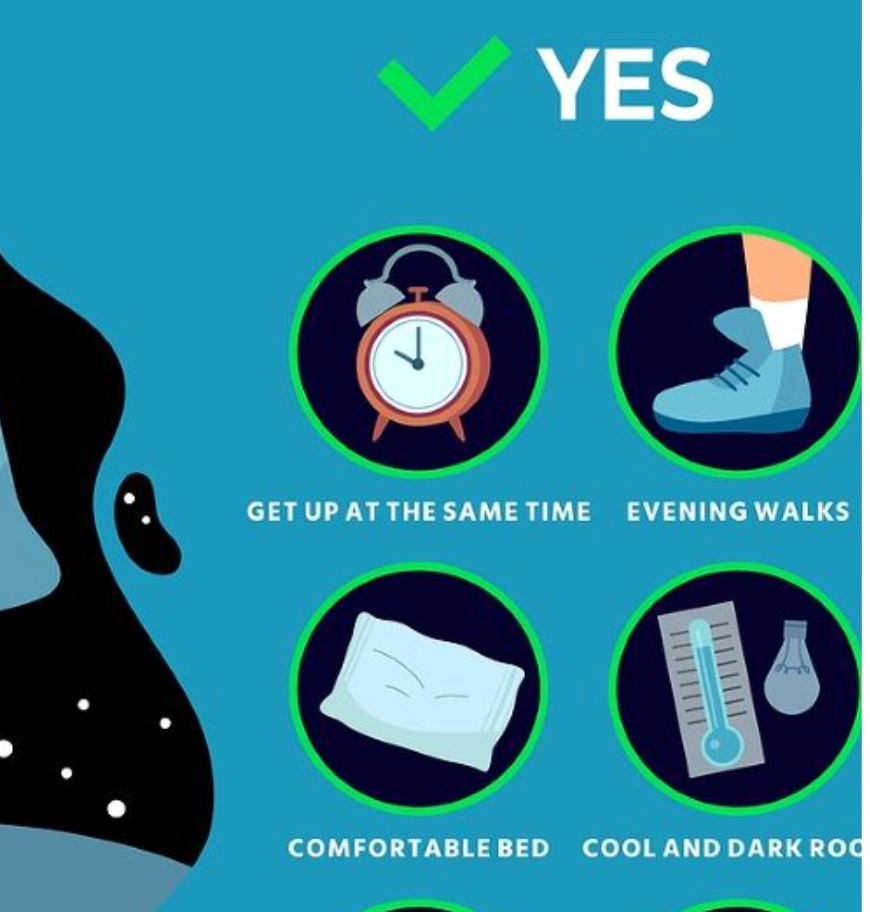
One of the simplest ways to establish a healthy sleep schedule is to wake up at approximately the same time every day.
Try to keep your wake time reasonably consistent on weekends as well as weekdays. A regular schedule gives your body a predictable daily rhythm and can make it easier to develop consistent sleepiness at night.
The CDC recommends going to bed and getting up at the same time each day, including weekends. (CDC)
Get Enough Sleep Every Night
Do not choose your bedtime simply according to when you feel tired. Instead, consider when you need to wake up and allow enough time for adequate sleep.
For example, someone who needs to wake at seven in the morning might aim to be asleep around eleven at night to obtain approximately eight hours of sleep.
Individual sleep needs vary, so there is no single bedtime that is appropriate for everyone. The important goal is to provide yourself with enough opportunity to sleep regularly.
Get Natural Light During the Day
Light is an important signal for the body’s circadian rhythm.
Getting natural light during the daytime, particularly earlier in the day, can help reinforce the difference between daytime and nighttime. The CDC recommends getting natural light, especially earlier in the day, and suggests activities such as a morning or lunchtime walk. (CDC)
If you are trying to move your sleep schedule earlier, consistent morning light combined with a consistent wake time can be particularly useful.
Reduce Bright Light Before Bed
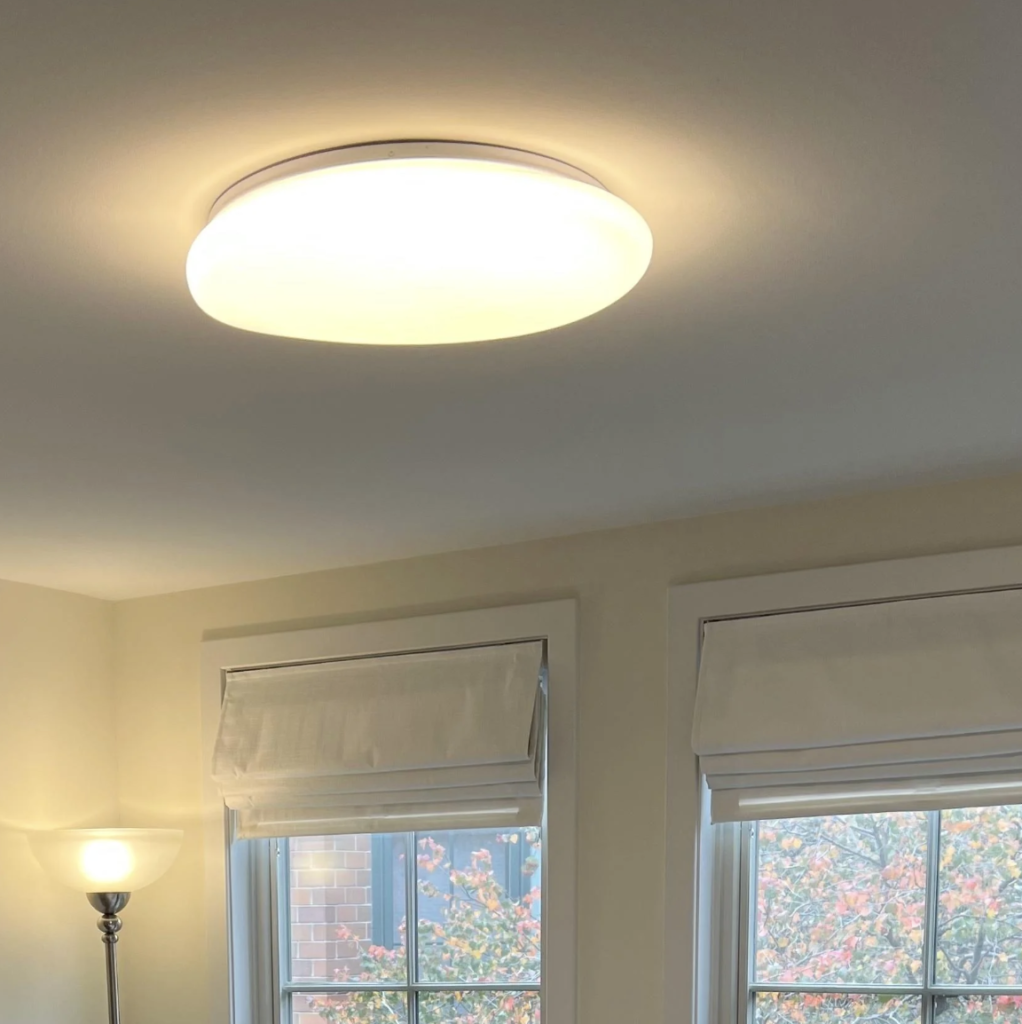
Your evening environment should gradually become darker and less stimulating.
Bright artificial light and electronic devices can make it harder for some people to transition into sleep. The CDC recommends turning off electronic devices at least thirty minutes before bedtime. (CDC)
You do not necessarily need to eliminate every screen from your evening. However, reducing screen use and bright light before bed may help create a smoother transition into sleep.
Create a Relaxing Bedtime Routine
A predictable bedtime routine can help separate the active part of your day from your sleep period.
You might read, take a warm shower, listen to quiet music, practice relaxation techniques, or prepare for the following morning.
The purpose is not to force yourself to fall asleep. Instead, the goal is to create a calm environment in which sleep can occur naturally.
Make Your Bedroom Comfortable
Your bedroom should support uninterrupted sleep.
The CDC recommends keeping the bedroom quiet, relaxing, and cool. (CDC)
Excessive noise, bright light, uncomfortable temperatures, or an unsuitable mattress can interfere with sleep quality.
Simple environmental changes can sometimes make a significant difference.
Be Careful With Caffeine
Caffeine can remain active for several hours and may interfere with sleep, particularly in people who are sensitive to it.
Coffee is not the only source. Tea, energy drinks, cola, chocolate, and some medications can also contain caffeine.
The CDC recommends avoiding caffeine in the afternoon or evening. (CDC)
If you regularly have difficulty falling asleep, consider whether your afternoon or evening caffeine intake could be contributing to the problem.
Exercise During the Day
Regular physical activity is another important part of a healthy daily rhythm.
Exercise can support overall health and may contribute to better sleep. The CDC recommends regular physical activity while suggesting that people avoid exercising within a few hours of bedtime if it interferes with sleep. (CDC)
The ideal timing varies between individuals. If evening exercise makes you feel more alert, moving your workout earlier may be helpful.
Avoid Heavy Meals Before Bed

Large meals shortly before bedtime can make some people uncomfortable and interfere with sleep.
The CDC recommends avoiding large meals and alcohol before bedtime. (CDC)
If you regularly experience nighttime digestive discomfort or reflux, paying attention to meal timing may be particularly useful.
Healthy Sleep Schedule Example
A healthy sleep schedule might look like this:
7:00 a.m. Wake up.
7:15 a.m. Get natural morning light.
Daytime. Work, study, exercise, and maintain normal daily activities.
Afternoon. Limit caffeine if it affects nighttime sleep.
9:30 p.m. Begin reducing stimulating activities and bright light.
10:00 p.m. Start a relaxing bedtime routine.
11:00 p.m. Aim to be asleep.
This is only an example. Your ideal schedule depends on your work, family responsibilities, lifestyle, age, health, and individual sleep needs.
What Research Says About Sleep Regularity
Modern sleep research increasingly recognizes that sleep regularity matters in addition to sleep duration.
The AASM describes healthy sleep as involving adequate duration, appropriate timing, regularity, good quality, and the absence of sleep disorders. (AASM)
This means that sleeping seven or eight hours on one night and then changing your schedule dramatically the following night is not necessarily equivalent to maintaining a stable sleep pattern.
A consistent sleep schedule can help align your daily routine with your body’s natural circadian rhythm.
What If You Cannot Sleep?
Do not assume that every sleep problem can be solved simply by improving sleep hygiene.
Occasional difficulty sleeping is common. However, persistent difficulty falling asleep, staying asleep, waking too early, or experiencing excessive daytime sleepiness may indicate an underlying sleep disorder.
Conditions such as insomnia and sleep apnea can require professional evaluation.
The AASM specifically recommends discussing persistent sleep concerns and suspected sleep disorders with a healthcare professional. (AASM)
If you regularly snore loudly, wake gasping for air, experience witnessed pauses in breathing, or remain extremely sleepy during the day despite getting enough time in bed, medical evaluation is particularly important.
The Bottom Line
Creating a healthy sleep schedule does not require an elaborate routine.
Start by choosing a consistent wake time. Make sure you allow enough time for sleep. Get natural light during the day, remain physically active, reduce bright light before bedtime, limit caffeine later in the day, and keep your bedroom quiet, comfortable, and cool.
Most adults should regularly obtain at least seven hours of sleep, but individual needs vary. Healthy sleep is not simply about the number of hours you spend in bed. Duration, quality, timing, regularity, and the absence of sleep disorders all contribute to healthy sleep. (CDC)
For authoritative information about sleep health, the CDC sleep resources and American Academy of Sleep Medicine are useful references. (CDC)

🇰🇷 Premium Korean Ginseng Online Shop
We’re a Korea-based online shop dedicated to authentic, premium Korean ginseng
Boost your health naturally with premium Korean ginseng!
🇰🇷 All orders are shipped directly from Korea with free worldwide shipping.
🎁 20% OFF Your Order — Use Code: vip20 at Checkout— Limited to the First 3 Orders Each Day!