When people hear the term processed foods, they often immediately think about packaged snacks, sugary drinks, fast food, or highly formulated convenience foods. However, food processing is much broader than that.
Freezing vegetables, fermenting milk into yogurt, drying fruit, cooking grains, pasteurizing milk, and fermenting traditional foods are all forms of food processing. Processing can improve food safety, extend shelf life, preserve ingredients, and make nutritious foods more convenient.
This distinction is especially important when discussing Korean red ginseng.
Korean red ginseng is not a raw food. It is produced through a traditional processing method in which fresh Korean ginseng is steamed and dried. This process changes the physical and chemical characteristics of the root and produces the distinctive color, flavor, aroma, and composition associated with red ginseng.
Therefore, the health question is not simply whether a food or botanical ingredient has been processed.
The more useful questions are:
What type of processing was used?
Why was the food processed?
What compounds are retained or transformed?
What is the nutritional or functional profile of the final product?
And how does it fit into an overall healthy lifestyle?
These questions help explain why traditional Korean red ginseng products can be discussed very differently from highly formulated ultra-processed foods.
Not All Processed Foods Are the Same

Modern nutrition research increasingly distinguishes between different types and degrees of food processing.
Some processing methods are primarily intended to preserve food or make it safer. Examples include:
- Freezing
- Drying
- Fermentation
- Pasteurization
- Cooking
- Canning
- Steaming
- Refrigeration
Other products undergo extensive industrial formulation and may contain combinations of refined starches, added sugars, fats, sodium, flavorings, colors, sweeteners, and other ingredients.
These foods are often described as ultra-processed foods.
The important point is that the word “processed” by itself does not determine whether a food is healthy or unhealthy.
A frozen vegetable and a highly formulated packaged dessert are both processed, but their nutritional characteristics can be dramatically different.
The same principle applies to traditional botanical foods and supplements.
Where Korean Red Ginseng Fits Into the Discussion
Korean red ginseng is produced from Panax ginseng, a plant with a long history of traditional use in Korea and other parts of East Asia.
Fresh ginseng is naturally perishable. Through steaming and drying, the root is transformed into red ginseng, which has different physical characteristics and a different profile of ginsenosides and other compounds.
This type of processing is fundamentally different from the type of industrial formulation commonly associated with ultra-processed foods.
The objective is not simply to make an inexpensive snack more palatable or shelf-stable. Traditional red ginseng processing is used to preserve the root, produce a stable form, and create the characteristic red ginseng product used in Korean food culture.
The Korean Ministry of Food and Drug Safety recognizes red ginseng as a functional ingredient within Korea’s health functional food system when applicable specifications and intake requirements are met. Current Korean regulatory materials continue to distinguish functional ingredients and their standards.
This distinction is important when discussing Korean red ginseng and health.
What Makes Korean Red Ginseng Different From Ordinary Processed Foods?
The primary difference is purpose and composition.
Many highly processed foods are designed around convenience, flavor, texture, shelf stability, and consumer appeal. They may contain substantial amounts of refined carbohydrates, added sugars, sodium, or fats.
Traditional Korean red ginseng, by contrast, begins with a botanical root and undergoes controlled steaming and drying.
The resulting product remains centered around ginseng.
Its most widely studied characteristic compounds are ginsenosides, a group of saponins naturally found in Panax ginseng.
Different processing conditions can affect the composition and relative proportions of individual ginsenosides.
This is one reason Korean red ginseng has attracted scientific interest.
Ginsenosides and Korean Red Ginseng
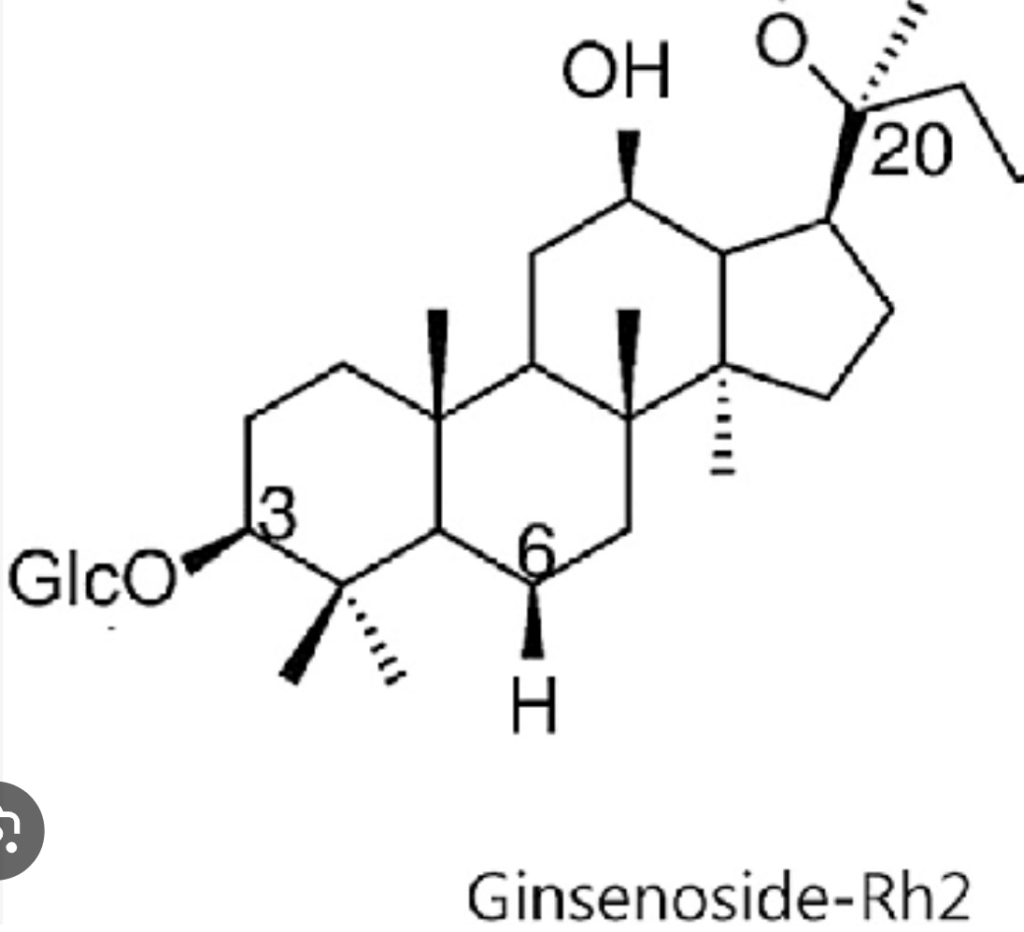
Ginsenosides are among the best-known bioactive compounds in Panax ginseng.
Researchers have studied different ginsenosides, including:
- Rg1
- Rb1
- Rg3
- Re
- Rc
- Rd
- Rf
Different ginsenosides have different chemical structures and have been investigated for different biological activities.
In Korean red ginseng products, Rg1, Rb1, and Rg3 are frequently used as marker compounds for product standardization and labeling.
This is particularly relevant because Korean functional-food regulations establish specifications for red ginseng and its marker compounds.
The MFDS has recognized red ginseng for specific functional purposes under its health functional food framework, including support for immune function, relief of fatigue, and maintaining healthy blood flow by inhibiting platelet aggregation, when the product meets the applicable requirements.
More recent Korean regulatory developments have expanded the recognized functional areas for certain red ginseng preparations, illustrating the continuing development of research and regulation surrounding the ingredient.
Korean Red Ginseng and Energy and Fatigue
One of the most familiar reasons people use Korean red ginseng is as part of a daily vitality routine.
Fatigue is complex and can be caused by many factors, including:
- Insufficient sleep
- Excessive physical activity
- Psychological stress
- Poor nutrition
- Illness
- Dehydration
- Certain medications
- Underlying medical conditions
Therefore, ginseng should not be viewed as a substitute for adequate sleep, balanced nutrition, physical activity, or medical evaluation when persistent fatigue has an unexplained cause.
Nevertheless, fatigue has been one of the areas investigated in red ginseng research, and Korean regulatory authorities recognize a fatigue-related functional claim for qualifying red ginseng products.
This provides a useful distinction between a regulated functional-food claim and an unsupported medical claim.
A red ginseng product should not be described as treating chronic fatigue or a medical condition.
Instead, it can appropriately be discussed as a food or wellness product that may fit into a daily vitality routine.
Korean Red Ginseng and Cognitive Function
Cognitive function is another area that has attracted scientific interest.
Researchers have investigated whether ginseng preparations may influence aspects of:
- Memory
- Attention
- Mental performance
- Cognitive processing
- Subjective mental fatigue
A 2024 systematic review and meta-analysis examined randomized controlled trials evaluating ginseng and cognitive function. The researchers concluded that ginseng has been investigated in human trials, while also noting that clinical evidence remains controversial and that additional high-quality research is needed.
This is an important example of how health information should be communicated.
It is reasonable to say that ginseng has been studied for cognitive function.
It would be inappropriate to claim that Korean red ginseng prevents dementia, treats Alzheimer’s disease, or guarantees improved memory.
Scientific evidence varies according to the preparation, dose, population, study design, and outcome being measured.
Korean Red Ginseng and Immune Function

Immune function is another important research area.
The immune system is a complex network involving:
- Immune cells
- Signaling molecules
- Barrier tissues
- The gut
- The respiratory system
- Nutritional status
- Sleep
- Physical activity
No single food can replace the fundamentals of immune health.
Adequate nutrition, sufficient sleep, regular physical activity, vaccination when appropriate, and good hygiene all remain important.
Nevertheless, red ginseng is recognized within Korea’s functional-food system for supporting immune function when the applicable product standards and intake requirements are met.
Research into ginseng and immune-related mechanisms is also one of the areas pursued by the Korea Ginseng Corporation’s research programs, which investigate the efficacy and safety of red ginseng and natural ingredients.
Korean Red Ginseng and Healthy Blood Flow
Blood circulation is another area associated with Korean red ginseng research.
Korean regulatory standards recognize a functional role for qualifying red ginseng products in helping maintain healthy blood flow by inhibiting platelet aggregation.
KGC also describes research involving red ginseng and vascular and platelet-related outcomes.
However, this should not be interpreted as meaning that red ginseng is a blood thinner or a treatment for cardiovascular disease.
People taking anticoagulant or antiplatelet medication should discuss the use of concentrated herbal products with an appropriate healthcare professional.
This is particularly important because the biological activity of botanical products can be relevant when combined with medications.
Korean Red Ginseng and Antioxidant Activity
Oxidative stress is another area in which ginseng has been researched.
The human body naturally produces reactive molecules during normal metabolism. Antioxidant systems help maintain physiological balance.
Korean red ginseng contains various compounds that have been investigated for antioxidant-related activity.
Korean health functional food regulations also recognize antioxidant-related functionality for qualifying red ginseng products.
However, antioxidant activity in laboratory studies should not automatically be translated into claims that a supplement prevents cancer, heart disease, aging, or other medical conditions.
The most scientifically responsible approach is to describe antioxidant activity as one area of research rather than presenting it as a disease-treatment effect.
Korean Red Ginseng and Healthy Blood Glucose
Blood glucose regulation has become an increasingly active area of Korean red ginseng research.
In 2024, Korea Ginseng Corporation announced that the Korean Ministry of Food and Drug Safety had recognized a functional claim for red ginseng related to helping regulate blood glucose levels. KGC reported that its research program included preclinical and clinical investigations of fasting glucose, post-meal glucose, HbA1c, GLP-1, and insulin-related metabolic measures.
This represents an important development in the research landscape.
However, it should not be interpreted as saying that ordinary red ginseng products are diabetes treatments.
People with diabetes or those taking glucose-lowering medication should consider their individual circumstances and discuss concentrated ginseng products with their healthcare professional.
Why Ginseng Processing Matters
The processing of ginseng is not merely cosmetic.
Steaming and drying can change the chemical composition of ginseng.
Some ginsenosides can undergo chemical transformations during processing, producing different ginsenoside profiles.
This is one reason researchers distinguish between:
- Fresh ginseng
- White ginseng
- Red ginseng
- Black ginseng
These products originate from the same botanical species but can have different processing histories and chemical profiles.
Therefore, “ginseng” is not necessarily one chemically identical substance.
The processing method matters.
Traditional Processing Meets Modern Research
Korean red ginseng represents an interesting intersection between traditional food culture and modern nutritional science.
For generations, Korean ginseng has been processed and consumed as part of Korean wellness traditions.
Modern research now investigates questions that traditional users could not measure directly, including:
- Ginsenoside composition
- Bioavailability
- Molecular pathways
- Oxidative stress
- Immune signaling
- Vascular function
- Cognitive performance
- Metabolic markers
- Safety
- Dose-response relationships
Korea Ginseng Corporation states that its research programs include scientific investigation of red ginseng, traditional herbal ingredients, extraction technologies, safety, and efficacy.
This does not mean every commercial ginseng product has been clinically tested for every possible health outcome.
Product composition and dosage matter.
Why Product Standardization Matters
When comparing ginseng products, consumers should look beyond the word “ginseng.”
Important information can include:
- Botanical identity
- Country of origin
- Age of ginseng
- Processing method
- Extract concentration
- Ginsenoside content
- Serving size
- Ingredient list
- Manufacturing standards
- Recommended intake
- Storage instructions
For example, two products may both contain Korean red ginseng but provide substantially different amounts of ginseng extract and marker compounds.
A standardized label therefore makes comparison easier.
The Importance of 6-Year-Old Korean Ginseng
Many premium Korean red ginseng products are made using 6-year-old Korean ginseng roots.
The six-year cultivation period is an important part of Korean ginseng production culture and is commonly used in premium red ginseng products.
CheongKwanJang products frequently use 6-year-old Korean ginseng, and the company has developed a broad range of red ginseng products using different formats and extraction technologies.
This allows consumers to select products according to their preferred routine rather than forcing every customer into a single format.
CheongKwanJang and Korean Ginseng Heritage
CheongKwanJang, the flagship red ginseng brand of Korea Ginseng Corporation, is closely associated with Korean red ginseng.
KGC’s research and product-development programs cover red ginseng extraction, active-ingredient management, formulation, packaging, and product convenience.
Its research program specifically describes technologies intended to control microorganisms, stabilize low-concentration liquid products, improve extraction, and develop products with different ginsenoside profiles.
This is relevant to the discussion of processed foods because processing can be used for very different purposes.
In highly formulated snack foods, processing may be used primarily to create a particular taste, texture, shelf life, or convenience.
In red ginseng production, controlled processing is used to transform and preserve a botanical ingredient while producing a standardized consumer product.
CheongKwanJang Products for Different Wellness Routines
One of the practical advantages of CheongKwanJang is the variety of available formats.
Depending on the product, consumers may find:
- Red ginseng extracts
- Liquid sticks
- Pouches
- Capsules
- Tablets
- Concentrates
- Traditional-style preparations
- Gift sets
This variety can make it easier to incorporate Korean red ginseng into an established daily routine.
For someone who prefers a traditional concentrated extract, a jarred product may be appropriate.
For someone who travels frequently, individual liquid sticks may be more convenient.
For another person, capsules or tablets may be easier to integrate into an existing supplement routine.
The important consideration is to follow the specific product’s recommended serving and ingredient information.
A More Balanced Approach to Processed Foods
The discussion surrounding ultra-processed foods sometimes creates the impression that every food that has undergone processing should be avoided.
That is not supported by nutrition science.
Food processing has enormous benefits.
Without processing, many foods would:
- Spoil quickly
- Be difficult to transport
- Be difficult to store
- Have limited seasonal availability
- Present greater food-safety challenges
Fermentation, drying, freezing, pasteurization, cooking, and other traditional or modern processes can all serve useful purposes.
The more meaningful distinction is between nutrient-dense processed foods and highly formulated foods that may contribute excessive amounts of calories, sodium, added sugars, or unhealthy fats.
Korean red ginseng illustrates this distinction particularly well.
Choosing Processed Foods With More Awareness
Consumers can apply a simple framework when evaluating packaged foods.
Ask:
What is the main ingredient?
How much added sugar does it contain?
How much sodium does it contain?
How much fiber and protein does it provide?
What is the serving size?
What is the purpose of the processing?
Does the product provide meaningful nutritional value?
These questions are generally more useful than simply asking whether something is “processed.”
Where CheongKwanJang Can Fit Into a Wellness Routine
For people interested in Korean red ginseng, CheongKwanJang provides an example of how a traditionally processed botanical ingredient can be incorporated into modern daily routines.
Rather than viewing red ginseng as a replacement for a healthy diet, it can be considered as one optional component of a broader wellness routine that includes:
- Balanced nutrition
- Regular physical activity
- Adequate sleep
- Stress management
- Appropriate hydration
- Regular medical care
- Healthy lifestyle habits
This approach is more consistent with the available evidence than treating ginseng as a universal solution for health problems.
What Research Can and Cannot Tell Us
Research on Korean red ginseng is substantial, but it is important to interpret it carefully.
Studies vary in:
- Ginseng preparation
- Extraction method
- Ginsenoside profile
- Dose
- Duration
- Participant characteristics
- Health outcomes
- Study quality
Therefore, results from one study cannot necessarily be applied to every CheongKwanJang product.
A clinical study using a standardized extract at a particular dose does not automatically prove that every ginseng beverage or supplement has the same effect.
This is particularly important when comparing traditional foods, general foods, and regulated health functional foods.
Safety and Responsible Use
Korean red ginseng is generally used as a food and wellness ingredient, but “natural” does not automatically mean that a product is appropriate for everyone.
People who are:
- Pregnant or breastfeeding
- Taking anticoagulant or antiplatelet medications
- Taking diabetes medications
- Taking multiple prescription medications
- Living with a chronic medical condition
- Experiencing unexplained symptoms
should consider discussing concentrated ginseng products with an appropriate healthcare professional.
Product labels should always be checked for specific warnings and ingredients.
A food supplement should not be used as a substitute for diagnosis or medical treatment.
Why the Difference Between Ultra-Processed Food and Traditional Processing Matters
The modern discussion of processed foods should not encourage people to fear all processing.
Instead, it should encourage people to understand what processing does.
A highly formulated snack may be engineered around sweetness, saltiness, texture, and convenience.
A fermented food may be processed to improve preservation and flavor.
A frozen vegetable may be processed to maintain convenience and availability.
Korean red ginseng is processed through steaming and drying to create a stable traditional product with a distinctive chemical and sensory profile.
These are fundamentally different examples of food processing.
Korean Red Ginseng as Part of a Broader Healthy Diet
A healthy diet should still be centered around a wide variety of nutritious foods.
These include:
- Vegetables
- Fruits
- Whole grains
- Beans
- Lentils
- Nuts
- Seeds
- Fish
- Eggs
- Other nutrient-dense protein sources
Korean red ginseng should not replace these foods.
Instead, people interested in traditional Korean wellness can consider red ginseng as an optional addition to an already balanced lifestyle.
This perspective also helps avoid exaggerated health claims.
A Natural Way to Explore Korean Red Ginseng
Research on Asian ginseng has explored areas such as fatigue, cognitive function, immune-related activity, blood flow, antioxidant activity, and metabolic health, although the strength of evidence varies by outcome and preparation. A 2024 systematic review and meta-analysis, for example, found that ginseng has been investigated in randomized trials for cognitive function while noting continuing uncertainty in the clinical evidence.
If you are interested in Korean red ginseng as part of a wellness routine, exploring a product with clearly stated origin, ingredients, serving information, and ginsenoside specifications can be a practical starting point.
You can learn more about the available CheongKwanJang Korean red ginseng products here:
Explore CheongKwanJang Korean Red Ginseng Products
The goal is not to view red ginseng as a replacement for healthy eating or medical care. Instead, it can be considered as one traditional Korean wellness ingredient within a broader lifestyle focused on nutrition, activity, rest, and long-term health.
🎁 20% OFF Your Order
If you decide that Korean red ginseng fits your wellness routine, you can also use the following limited promotion:
🎁 20% OFF Your Order — Use Code: vip20 — Limited to the First 3 Orders Each Day!
Enter the code vip20 at checkout to receive the discount, subject to the applicable promotion terms.
Final Thoughts
The relationship between processed foods and health is more nuanced than the simple idea that “processed food is bad.”
Processing can be beneficial when it improves safety, preservation, convenience, or stability.
The more important issue is the nutritional and functional character of the final product.
Korean red ginseng offers an interesting example. It is a processed botanical food created through traditional steaming and drying, but its processing is fundamentally different from the formulation of many ultra-processed foods.
The resulting red ginseng contains ginsenosides and other naturally occurring compounds that have been investigated in nutritional and biomedical research.
Research has explored Korean red ginseng and Asian ginseng in areas including fatigue, cognitive function, immune function, blood flow, antioxidant activity, and metabolic health. However, the evidence varies between outcomes, and research findings should not be converted into exaggerated medical promises.
For consumers, the most useful approach is to consider the whole dietary pattern first, then evaluate individual products according to their ingredients, quality, serving size, processing method, and scientific evidence.
If you would like to explore traditional Korean red ginseng products as part of that approach, CheongKwanJang offers a range of Korean red ginseng formats designed around different daily routines.
You can explore the collection here:
CheongKwanJang Korean Red Ginseng Collection
A thoughtful approach to wellness does not require avoiding everything processed. It means understanding what you are consuming, choosing nutrient-dense foods most of the time, and selecting traditional or functional foods based on reliable information rather than exaggerated promises.

🇰🇷 Premium Korean Ginseng Online Shop
We’re a Korea-based online shop dedicated to authentic, premium Korean ginseng
Boost your health naturally with premium Korean ginseng!
🇰🇷 All orders are shipped directly from Korea with free worldwide shipping.
🎁 20% OFF Your Order — Use Code: vip20 at Checkout— Limited to the First 3 Orders Each Day!