Collagen supplements are widely marketed for skin, joints, bones, hair, nails, and muscle health. But do collagen supplements actually work?
The short answer is that the evidence is promising for some outcomes, particularly certain measures of skin health and joint symptoms, but it is not equally strong for every advertised benefit. Research on oral hydrolyzed collagen and collagen peptides has produced positive findings in several systematic reviews and randomized controlled trials, yet study quality, product formulations, doses, populations, and funding sources vary considerably. Recent reviews have also reached different conclusions about how convincing the evidence is, especially for skin aging.
Collagen is a structural protein naturally produced by the human body. It contributes to the structure of skin, cartilage, tendons, ligaments, bones, and other connective tissues. Collagen supplements generally contain collagen that has been broken down into smaller peptides, making it easier to digest and absorb.
For someone considering a collagen supplement, the most useful question is not simply whether collagen works. It is what outcome you want, what the research actually shows for that outcome, and whether a supplement makes sense alongside a balanced diet and other evidence-based health habits.
What Are Collagen Supplements?

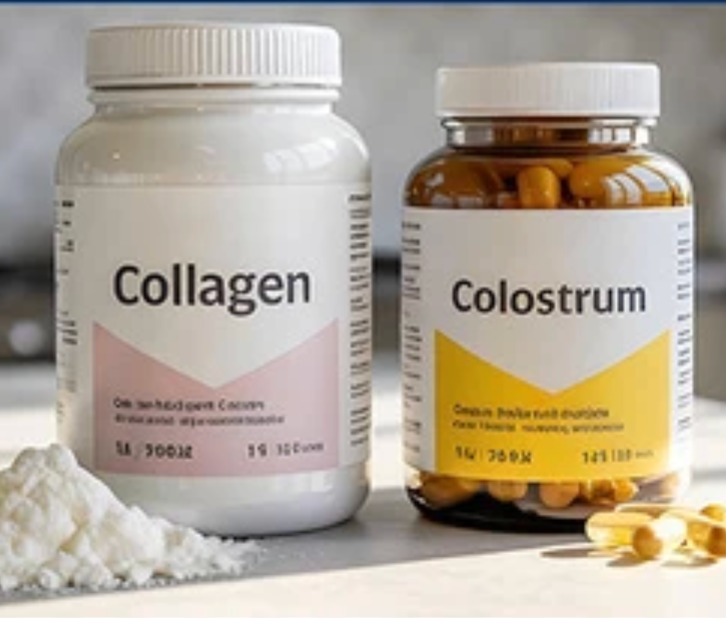
Collagen supplements are dietary supplements that provide collagen or collagen-derived peptides, usually from animal sources such as cattle, pigs, fish, or chickens.
Many products are labeled as:
- Hydrolyzed collagen.
- Hydrolyzed collagen peptides.
- Collagen peptides.
- Collagen hydrolysate.
- Marine collagen.
- Bovine collagen.
- Porcine collagen.
- Chicken collagen.
Hydrolyzed collagen has been processed into smaller peptide chains. These peptides are digested in the gastrointestinal tract and their amino acids and smaller peptides become available to the body.
Collagen is different from a complete dietary protein source. It has a distinctive amino acid composition and is particularly rich in glycine, proline, and hydroxyproline. It does not provide the same nutritional profile as proteins such as eggs, dairy, fish, soy, or meat.
What Does Collagen Do in the Body?
Collagen provides structural support throughout the body.
It is an important component of connective tissues, including skin, cartilage, tendons, ligaments, and bone.
In skin, collagen contributes to the extracellular matrix that helps provide structure and mechanical strength. Collagen also interacts with other components of the skin, including elastin and hyaluronic acid.
In joints, collagen is an important component of cartilage and other connective tissues.
In bones, collagen forms a major part of the organic matrix that supports bone structure.
The body continuously breaks down and produces collagen. This process changes with age and can also be affected by factors such as ultraviolet exposure, smoking, and overall nutritional status.
Are Collagen Supplements Absorbed by the Body?
Yes, but the body does not simply absorb an intact collagen molecule and transport it directly to the skin or joints.
Dietary collagen is digested into amino acids and smaller peptides. Some collagen-derived peptides can enter the circulation after digestion. Researchers have proposed that these peptides may contribute to biological signaling as well as provide amino acids used for protein synthesis.
This is important because the popular idea that collagen supplements travel directly to a particular wrinkle, joint, or other body part is an oversimplification.
The body decides how absorbed amino acids and peptides are used. Taking collagen does not guarantee that the collagen will be deposited specifically in the skin, hair, nails, or joints.
What Are the Potential Benefits of Collagen Supplements?
The potential benefits depend on the outcome being studied.
The most frequently researched areas include:
- Skin hydration and elasticity.
- Skin aging and wrinkles.
- Joint pain and function.
- Bone health.
- Muscle function when combined with exercise.
- Certain connective tissue outcomes.
The evidence is not equally strong across these categories.
A 2026 systematic review of randomized controlled trials found that oral hydrolyzed collagen showed improvements in several skin outcomes across studies, but the authors also noted that many trials had a high risk of bias and that larger, better-designed studies are needed.
A separate 2025 meta-analysis of 23 randomized controlled trials involving 1,474 participants found improvements in skin hydration, elasticity, and wrinkles when all trials were analyzed together. However, the findings changed substantially when researchers looked at study quality and funding source. The authors concluded that current clinical evidence did not establish collagen supplements as a proven way to prevent or treat skin aging.
This difference between reviews is important. It means the evidence should be described as promising but uncertain, rather than as definitive proof that collagen supplements prevent wrinkles or reverse skin aging.
Do Collagen Supplements Improve Skin?
Collagen supplements may improve some measures of skin hydration and elasticity, but the evidence remains mixed.
Several randomized trials and meta-analyses have reported improvements in skin hydration and elasticity after oral hydrolyzed collagen supplementation. A 2025 systematic review and meta-analysis of 10 randomized controlled trials involving 646 participants found statistically significant improvements in skin hydration and elasticity.
However, another 2025 meta-analysis found that the apparent benefits disappeared in analyses restricted to studies without pharmaceutical-company funding or higher-quality studies. The authors therefore concluded that current evidence was insufficient to support collagen supplements as a clinically established intervention for skin aging.
This is a good example of why simply counting positive studies can be misleading.
Collagen and Skin Hydration
Skin hydration is one of the outcomes most consistently studied.
Some trials have reported improved skin moisture after several weeks of collagen supplementation. However, differences in product composition, dose, duration, participant characteristics, and study quality make it difficult to establish one universal dose or expected result.
Collagen and Skin Elasticity
Skin elasticity has also been studied frequently.
Some meta-analyses have reported improvements compared with placebo, but the strength of the conclusion depends on which studies are included and how study quality is evaluated.
For this reason, it is reasonable to say that collagen may support certain measures of skin hydration and elasticity, but it is not accurate to promise a specific cosmetic result for every person.
Can Collagen Supplements Reduce Wrinkles?
The evidence is inconsistent.
Some randomized trials and earlier meta-analyses reported reductions in wrinkle measures. However, a 2025 meta-analysis found that the overall positive effect was heavily influenced by lower-quality and industry-funded studies.
Therefore, collagen should not be presented as a proven anti-aging treatment.
For people primarily concerned about premature skin aging, established measures such as sun protection remain important. Collagen supplementation should be considered an optional nutritional strategy rather than a replacement for basic skin care and sun protection.
Can Collagen Supplements Help Joint Health?
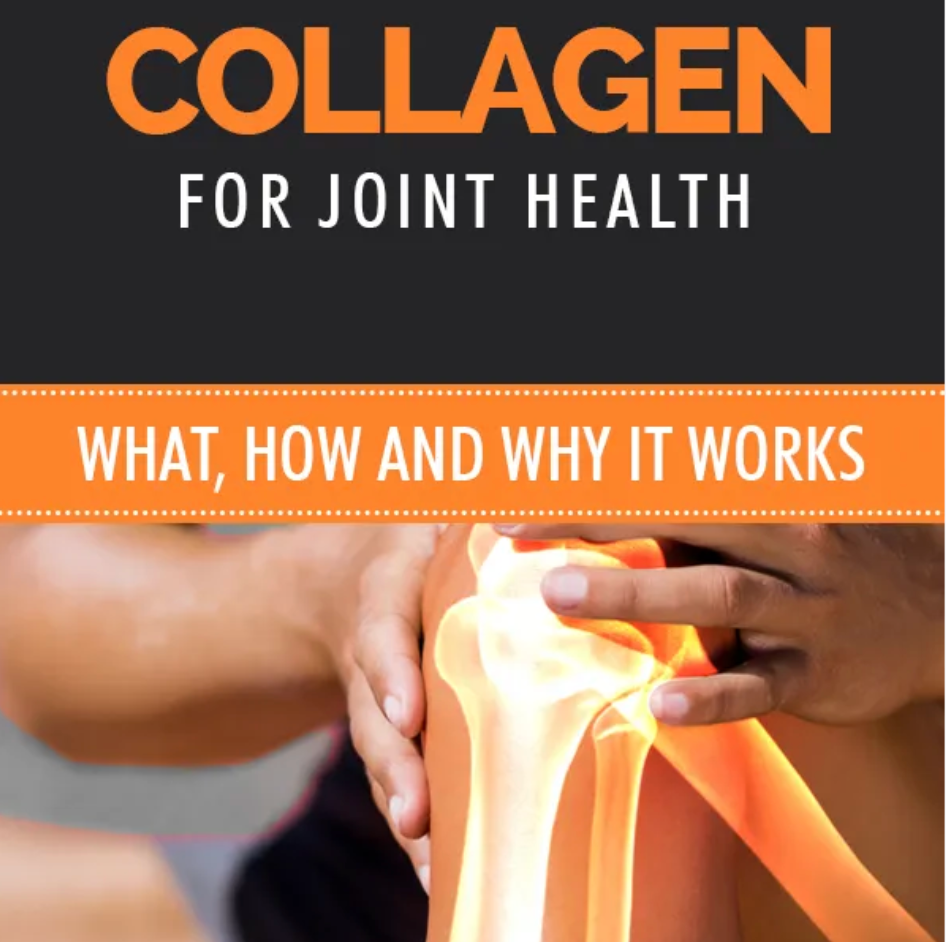
Joint health is one of the more promising areas of collagen research.
A 2024 trial-sequential meta-analysis included 35 randomized controlled trials involving 3,165 participants and found small to moderate improvements in pain and function among people receiving collagen derivatives compared with controls. The authors reported moderate certainty for pain outcomes and high certainty for functional outcomes in their main analysis.
An updated 2025 systematic review and meta-analysis specifically examining knee osteoarthritis included 11 randomized controlled trials with 870 participants. It found improvements in pain and function, although the studies showed substantial statistical heterogeneity.
These results are encouraging, but collagen supplements should not be considered a cure for osteoarthritis or a replacement for medical treatment.
Collagen and Exercise-Related Joint Health
Some research has also examined collagen supplementation in physically active people.
The proposed rationale is that collagen provides amino acids and peptides relevant to connective tissues. However, results vary between studies, and supplementation does not replace appropriate exercise programming, recovery, body-weight management when appropriate, or professional evaluation of persistent joint symptoms.
Can Collagen Supplements Help Bones?
Collagen is an important structural component of bone, so bone health has become another major research area.
A 2025 systematic review of type I collagen hydrolysate found promising findings for some bone-related outcomes, but the authors concluded that limitations in the available studies prevented definitive conclusions about bone health.
A 2026 scoping review similarly found associations between collagen supplementation and improvements in some bone turnover markers and bone mineral density measurements, particularly in some studies involving postmenopausal women. However, the review also identified neutral findings and substantial heterogeneity between studies.
A 2025 meta-analysis reported increases in bone mineral density at certain sites and improvements in bone turnover markers, but substantial variation between trials remained.
The practical conclusion is that collagen may be an area of interest for bone research, but current evidence does not justify treating collagen supplements as a stand-alone strategy for preventing osteoporosis or fractures.
Adequate calcium, vitamin D, protein, resistance exercise, balance training, and other established approaches to bone health remain important.
Can Collagen Supplements Build Muscle?
Collagen is a protein, but it is not a complete protein and should not be viewed as a replacement for high-quality dietary protein.
Research has examined collagen peptides in combination with resistance or other physical training. A 2024 systematic review and meta-analysis found that collagen supplementation combined with long-term physical training may influence some measures of strength, musculoskeletal adaptation, and body composition, but results differed among outcomes and studies.
A 2025 systematic review found that muscle-related findings were inconsistent and that positive results appeared more commonly when collagen supplementation was combined with exercise.
For people trying to build muscle, resistance training and adequate total dietary protein remain more fundamental than collagen supplementation.
Can Collagen Supplements Improve Hair and Nails?
Evidence for hair is particularly limited.
Human research has not established that oral collagen supplements reliably increase hair growth, thickness, shine, or volume. Harvard Health notes that there is currently insufficient medical evidence to support many of these marketing claims.
Nail research is also limited.
One small study reported improvements in brittle nails, but it lacked a placebo control, making it difficult to determine how much of the change was attributable to collagen itself.
Therefore, claims that collagen supplements dramatically improve hair or nails should be treated cautiously.
What Types of Collagen Supplements Are Available?
Collagen products differ in source, collagen type, formulation, and additional ingredients.
Bovine Collagen
Bovine collagen is generally derived from cattle and commonly contains type I and type III collagen.
It is widely used in powders, capsules, and drink mixes.
Marine Collagen
Marine collagen is commonly derived from fish and is often marketed for skin-related purposes.
People with fish or seafood allergies should carefully review product ingredients and discuss appropriate options with a healthcare professional if necessary.
Porcine Collagen
Porcine collagen comes from pigs and is another source used in collagen supplements.
People with dietary, religious, cultural, or allergy-related restrictions may need to avoid it.
Chicken Collagen
Chicken-derived collagen is another source found in some products, including supplements marketed toward joint health.
Type I, II, and III Collagen
Different collagen types occur naturally in different tissues.
Type I collagen is abundant in skin, bone, tendons, and other connective tissues.
Type II collagen is particularly associated with cartilage.
Type III collagen occurs alongside type I collagen in several tissues.
However, the presence of a particular collagen type in a supplement does not automatically mean that consuming it will produce a corresponding tissue-specific effect.
What Is Hydrolyzed Collagen?
Hydrolyzed collagen is collagen that has been broken down into smaller peptides.
It is also commonly called collagen hydrolysate or collagen peptides.
Most oral collagen supplements studied in clinical trials use some form of hydrolyzed collagen or collagen peptides.
Because formulations differ, research results from one product should not automatically be assumed to apply identically to every collagen supplement on the market.
How Much Collagen Should You Take?
There is no single universally established dose that guarantees a health benefit.
Research trials have used a wide range of doses depending on the outcome being studied. In a 2025 meta-analysis of skin hydration and elasticity, the most common dose was approximately 4 grams per day, with a median dose of 3.5 grams per day, while studied doses ranged from 1 to 10 grams per day.
Some joint and musculoskeletal studies have used different amounts.
Therefore, consumers should not assume that taking a larger amount will produce a larger benefit.
The appropriate approach is to follow the serving information on a reputable product and consider individual circumstances with a healthcare professional when necessary.
When Should You Take Collagen?
There is no strong evidence that one specific time of day is universally superior for collagen supplementation.
Some products recommend taking collagen with a meal, while others can be taken independently.
The most important practical factor is consistency rather than a particular hour.
If a supplement causes stomach discomfort when taken on an empty stomach, taking it with food may be more comfortable.
Should Collagen Be Taken With Vitamin C?
Vitamin C is required for normal collagen synthesis in the body.
A balanced diet that provides adequate vitamin C is therefore important for normal connective-tissue formation.
Good food sources include:
- Citrus fruits.
- Kiwi.
- Strawberries.
- Bell peppers.
- Broccoli.
- Tomatoes.
- Other fruits and vegetables.
This does not necessarily mean that a collagen supplement must contain added vitamin C to work. If someone already obtains sufficient vitamin C from food, additional vitamin C is not automatically better.
Do You Need Collagen Supplements if You Eat Enough Protein?
Not necessarily.
The body produces collagen from amino acids obtained from the diet. A varied diet containing adequate protein provides amino acids needed for normal protein synthesis.
Protein-rich foods include:
- Fish.
- Eggs.
- Dairy products.
- Poultry.
- Meat.
- Soy foods.
- Beans.
- Lentils.
- Nuts and seeds.
Collagen supplements provide a concentrated source of collagen-derived amino acids and peptides, but they should not replace a varied diet.
Can You Get Collagen From Food?
Yes.
Collagen occurs naturally in animal connective tissues and skin.
Food sources can include collagen-rich cuts of meat, poultry skin, fish skin, and connective-tissue-rich foods. Bone broth may contain gelatin and collagen-derived compounds, although its nutritional composition can vary substantially depending on how it is prepared.
However, eating collagen-containing food does not mean that intact collagen travels directly to the skin or joints. Like other proteins, dietary collagen is digested before the body uses its components.
A balanced diet provides much more than collagen alone and should remain the foundation of nutritional health.
Collagen Supplements vs. Collagen-Rich Foods
Collagen supplements are convenient and provide a relatively standardized amount of collagen peptides.
Collagen-rich foods provide collagen as part of a larger food matrix and may also supply other nutrients.
For many people, there is no nutritional requirement to take a collagen supplement.
The decision depends on dietary pattern, personal goals, preferences, cost, and tolerance.
Are Collagen Supplements Safe?
Available clinical trials generally report good short-term tolerability, but long-term safety data are more limited.
A 2026 systematic review reported that hydrolyzed collagen was generally well tolerated in randomized trials, although the authors emphasized the need for better-quality and longer-term research.
Possible problems can include:
- Digestive discomfort.
- Unpleasant taste or aftertaste.
- Bloating.
- Nausea.
- Allergic reactions to source ingredients.
Safety can also depend on ingredients added to the collagen product rather than collagen itself.
For example, flavored powders may contain sweeteners, herbal ingredients, vitamins, minerals, or other compounds that create additional considerations.
Who Should Be Cautious With Collagen Supplements?
People with certain medical conditions, allergies, dietary restrictions, or medication-related concerns should speak with a healthcare professional before starting a supplement.
Extra caution may be appropriate for people who:
- Have allergies to fish or other collagen sources.
- Have a medical condition requiring protein restriction.
- Have kidney or liver disease and have been advised to modify protein intake.
- Have gout or a history of problems related to uric acid.
- Are pregnant or breastfeeding.
- Take multiple medications or supplements.
- Are considering collagen for treatment of a medical condition.
Harvard Health specifically notes that people with gout or medical conditions requiring protein restriction should consult a physician before using collagen supplements.
Are Collagen Supplements FDA Approved?
No.
In the United States, dietary supplements are regulated differently from prescription and over-the-counter drugs. The FDA does not generally approve dietary supplements for safety and effectiveness before they are marketed. Manufacturers and distributors are responsible for ensuring that products meet applicable requirements and that claims are not false or misleading.
This distinction is important.
A collagen product being legally sold in the United States does not mean the FDA has independently confirmed that it produces every benefit claimed on its marketing materials.
Consumers should therefore evaluate supplement claims critically.
How Can You Choose a Collagen Supplement?
A sensible approach is to focus on transparency rather than flashy marketing.
Look for:
Clear Collagen Amount
The label should clearly state how much collagen or collagen peptides are provided per serving.
Clearly Identified Source
The product should identify whether the collagen comes from fish, cattle, pigs, chickens, or another source.
A Complete Ingredient List
Look beyond the word “collagen.”
Some products contain sweeteners, flavorings, vitamins, minerals, herbal ingredients, or other supplements.
Appropriate Quality Controls
Independent quality testing can provide additional information about whether a product contains what its label indicates and whether it meets specified quality standards.
Consumers should also remember that third-party testing is not the same thing as FDA approval.
Avoid Unrealistic Claims
Be cautious about products claiming to:
- Reverse aging.
- Eliminate wrinkles.
- Cure arthritis.
- Rebuild damaged cartilage.
- Guarantee stronger hair.
- Prevent osteoporosis.
- Produce instant results.
Such claims go beyond what current evidence can reliably establish.
Common Collagen Supplement Mistakes
Mistake 1: Expecting Immediate Results
Collagen studies generally examine outcomes over weeks or months rather than hours or days.
A product promising instant changes should be viewed skeptically.
Mistake 2: Assuming More Is Better
There is no established principle that taking extremely large amounts of collagen will produce proportionally greater benefits.
Mistake 3: Ignoring the Rest of the Diet
A collagen supplement cannot compensate for inadequate overall nutrition.
Protein, fruits, vegetables, whole grains, healthy fats, vitamins, minerals, and adequate hydration all remain important.
Mistake 4: Treating Collagen as Medicine
Collagen supplements should not replace medical evaluation or evidence-based treatment for persistent joint pain, skin disorders, osteoporosis, or other medical conditions.
Mistake 5: Assuming All Collagen Products Are Equivalent
Different products can vary in source, collagen type, peptide profile, dose, added ingredients, and manufacturing quality.
Research on one formulation cannot automatically prove that every collagen product works the same way.
Does Marine Collagen Work Better Than Bovine Collagen?
There is not enough evidence to say that marine collagen is universally superior to bovine collagen.
Different collagen sources contain different peptide profiles, but human research has not established one source as the best choice for every health outcome.
The more useful questions are whether the product provides a studied form and amount of collagen, whether the source is appropriate for the individual, and whether the product has transparent labeling and quality controls.
Is Collagen Better Than Protein Powder?
Neither is universally better because they serve different nutritional purposes.
Collagen is a specialized protein source that is relatively rich in glycine and proline but lacks the amino acid balance of many complete proteins.
For muscle building and general protein intake, complete protein sources such as dairy, eggs, fish, meat, soy, and appropriately combined plant proteins may be more nutritionally useful.
Collagen can be considered an additional source of protein-derived peptides rather than a replacement for a balanced protein intake.
Can Collagen Supplements Replace a Healthy Diet?
No.
Collagen supplements are supplements, not substitutes for a balanced dietary pattern.
FDA emphasizes that dietary supplements are intended to supplement the diet and are not intended to replace conventional foods.
A healthy diet should provide a broad range of nutrients from vegetables, fruits, whole grains, legumes, nuts, seeds, protein foods, and other nutritious foods.
What Does the Research Really Say About Collagen?
The research is more nuanced than many advertisements suggest.
Evidence That Is Promising
Research provides relatively encouraging findings for:
- Some measures of skin hydration.
- Some measures of skin elasticity.
- Symptoms and function related to some joint conditions.
- Certain bone-related outcomes.
- Some exercise-related musculoskeletal outcomes.
Recent systematic reviews and meta-analyses support continued research in these areas.
Evidence That Remains Uncertain
Important uncertainties remain regarding:
- Long-term safety.
- Optimal dose.
- Optimal collagen source.
- Whether benefits differ substantially by collagen type.
- Which populations benefit most.
- The magnitude of cosmetic benefits.
- Whether some positive findings are influenced by study funding or methodological limitations.
The 2025 skin-aging meta-analysis is particularly important because it found that results depended heavily on study quality and funding source.
Claims That Are Not Well Established
There is not strong evidence that collagen supplements:
- Reverse biological aging.
- Dramatically increase hair growth.
- Guarantee wrinkle removal.
- Cure osteoarthritis.
- Prevent all forms of bone loss.
- Replace adequate dietary protein.
- Produce identical results for everyone.
20 Questions People Commonly Ask About Collagen Supplements
1. Do collagen supplements actually work?
They may provide modest benefits for certain outcomes, but the evidence varies by health goal. Skin and joint outcomes have been studied most extensively, while evidence for hair and some other advertised benefits is considerably weaker.
2. How long does collagen take to work?
Clinical studies generally evaluate collagen over several weeks or months. There is no reliable evidence that collagen produces immediate visible or structural changes.
3. Does collagen improve skin?
Some studies report improvements in skin hydration and elasticity, but the overall evidence remains debated because study quality and funding can influence findings.
4. Does collagen reduce wrinkles?
Some trials report fewer or less pronounced wrinkles, but recent high-quality analyses have questioned whether the overall evidence is strong enough to establish a clinically meaningful anti-aging effect.
5. Can collagen help joint pain?
Some randomized trials and meta-analyses suggest collagen derivatives may modestly improve pain and function, particularly in osteoarthritis research. They should not replace medical treatment.
6. Is collagen good for bones?
Collagen may influence some bone-related markers and bone mineral density, but the evidence remains inconsistent and more research is needed before firm conclusions can be made.
7. Can collagen build muscle?
Collagen may have a role alongside exercise, but it is not a replacement for adequate high-quality dietary protein and resistance training. Research on muscle outcomes remains mixed.
8. Does collagen help hair grow?
There is currently insufficient human evidence to conclude that collagen supplements reliably increase hair growth, thickness, or shine.
9. Does collagen help nails?
Limited research suggests a possible benefit for brittle nails, but evidence is insufficient to establish a reliable effect.
10. What is the best type of collagen?
There is no universally established best type. The appropriate choice depends on the intended use, source, dose, ingredients, dietary restrictions, and product quality.
11. Is marine collagen better than bovine collagen?
Current evidence does not establish marine collagen as universally superior to bovine collagen.
12. Should collagen be taken every day?
Many clinical studies use daily supplementation, but there is no universally required daily dose for healthy people. Follow the product label and consider individual circumstances.
13. Should collagen be taken with vitamin C?
Vitamin C is required for normal collagen synthesis, but a person who already consumes adequate vitamin C does not necessarily need a vitamin C supplement specifically with collagen.
14. Can I get collagen from food?
Yes. Collagen is naturally present in connective tissues and animal skin. A balanced diet also supplies amino acids and nutrients needed for the body’s own collagen production.
15. Is collagen safe?
Short-term clinical studies generally report good tolerability, but long-term safety data are more limited. Allergies, digestive symptoms, source ingredients, and additional ingredients should be considered.
16. Is collagen FDA approved?
No. FDA does not generally pre-approve dietary supplements for safety and effectiveness before they are marketed in the United States.
17. Can collagen replace protein powder?
Not generally. Collagen has a different amino acid profile and is not equivalent to a complete protein source.
18. Is collagen useful after exercise?
It may have a role in musculoskeletal research when combined with exercise, but evidence does not support treating collagen as a substitute for appropriate training, recovery, and adequate overall nutrition.
19. Is collagen worth taking?
That depends on the individual’s goal, expectations, dietary pattern, budget, and tolerance. Current research supports possible benefits for some outcomes but does not justify expecting dramatic results.
20. Should I talk to a doctor before taking collagen?
People with medical conditions, allergies, pregnancy, breastfeeding, medication concerns, protein restrictions, or other health considerations should discuss supplements with a healthcare professional. FDA also advises consumers to consult a doctor, pharmacist, or other healthcare professional before deciding to use dietary supplements.
How to Think About Collagen Supplements in a Healthy Lifestyle
Collagen supplements make the most sense when viewed as one possible addition to a broader health strategy.
For skin health, this includes sun protection, adequate nutrition, sleep, physical activity, and avoiding smoking.
For joint health, regular physical activity, appropriate strength training, maintaining physical function, and professional assessment of persistent symptoms are important.
For bone health, adequate calcium and vitamin D, resistance and weight-bearing exercise, sufficient protein, and other established lifestyle measures remain central.
For muscle health, resistance training and adequate total protein intake are more fundamental than collagen supplementation.
In other words, collagen should complement healthy habits rather than replace them.
Related Articles for a Collagen Health Topic Cluster
1. What Is Collagen and How Does the Body Make It?
Search intent: Beginner education.
Primary keyword: what is collagen.
Suggested anchor text: what is collagen.
Why it is relevant: Explains collagen biology before readers evaluate supplements.
2. Collagen Peptides vs Hydrolyzed Collagen
Search intent: Product and ingredient comparison.
Primary keyword: collagen peptides vs hydrolyzed collagen.
Suggested anchor text: collagen peptides and hydrolyzed collagen.
Why it is relevant: Helps readers understand common supplement terminology.
3. Collagen and Skin Health: What Does the Research Show?
Search intent: Evidence evaluation.
Primary keyword: collagen for skin.
Suggested anchor text: collagen and skin health.
Why it is relevant: Provides deeper coverage of hydration, elasticity, and wrinkles.
4. Collagen for Joint Health and Exercise
Search intent: Joint and fitness research.
Primary keyword: collagen for joint health.
Suggested anchor text: collagen for joint health.
Why it is relevant: Expands on the evidence for pain, function, and physical activity.
5. Protein and Healthy Aging
Search intent: Nutrition and aging.
Primary keyword: protein and healthy aging.
Suggested anchor text: protein and healthy aging.
Why it is relevant: Places collagen in the broader context of adequate protein intake.
6. Foods That Support Healthy Skin
Search intent: Food-based skin nutrition.
Primary keyword: foods for healthy skin.
Suggested anchor text: foods for healthy skin.
Why it is relevant: Provides a food-first alternative to supplement-focused information.
7. Vitamin C and Collagen Production
Search intent: Nutrient and collagen relationship.
Primary keyword: vitamin C and collagen.
Suggested anchor text: vitamin C and collagen production.
Why it is relevant: Explains an important nutrient involved in normal collagen synthesis.
8. Healthy Aging: Nutrition, Exercise, and Sleep
Search intent: Broad healthy-aging guidance.
Primary keyword: healthy aging.
Suggested anchor text: healthy aging habits.
Why it is relevant: Prevents the collagen article from presenting supplements as the primary route to healthy aging.
9. How to Choose Dietary Supplements Safely
Search intent: Supplement safety and purchasing.
Primary keyword: how to choose dietary supplements.
Suggested anchor text: choosing dietary supplements safely.
Why it is relevant: Provides broader guidance on supplement quality, labels, and safety.
10. Walking and Joint Health
Search intent: Practical exercise guidance.
Primary keyword: walking and joint health.
Suggested anchor text: walking and joint health.
Why it is relevant: Connects collagen research with an accessible form of physical activity.

🇰🇷 Premium Korean Ginseng Online Shop
We’re a Korea-based online shop dedicated to authentic, premium Korean ginseng
Boost your health naturally with premium Korean ginseng!
🇰🇷 All orders are shipped directly from Korea with free worldwide shipping.
🎁 20% OFF Your Order — Use Code: vip20 at Checkout— Limited to the First 3 Orders Each Day!