
Added sugar is one of the most widely discussed topics in modern nutrition research. It is found in many familiar foods and beverages, including soft drinks, sweetened coffee, desserts, candy, breakfast cereals, flavored yogurt, sauces, packaged snacks, and baked goods.
Scientific research has investigated added sugar in relation to body weight, obesity, type 2 diabetes, cardiovascular disease, dental caries, metabolic health, and overall dietary quality.
However, interpreting this research requires an important distinction between several different categories of sugar.
Added sugar refers to sugar introduced into foods or beverages during processing or preparation. Free sugars, a term commonly used by the World Health Organization, include added sugars as well as sugars naturally present in honey, syrups, fruit juices, and fruit juice concentrates. Total sugars include both naturally occurring sugars and added sugars.
These categories should not be treated as interchangeable.
For example, the sugar naturally present inside a whole apple is nutritionally different from the sugar in a soft drink. Likewise, fruit juice is different from whole fruit, even though both originate from fruit.
Recent research has strengthened the evidence that high consumption of sugar-sweetened beverages is associated with several adverse cardiometabolic outcomes. At the same time, research specifically isolating added sugar from the rest of the diet can produce more mixed results.
Therefore, the most scientifically accurate approach is to examine not only how much sugar is consumed, but also where the sugar comes from, how it is consumed, what foods it replaces, and the person’s overall dietary pattern.
1. Added Sugar
What Is Added Sugar?
Added sugar is sugar that is added to a food or beverage during manufacturing, processing, preparation, or consumption.
Examples include:
- Table sugar
- Cane sugar
- Brown sugar
- Sucrose
- Glucose
- Dextrose
- Fructose
- Maltose
- Corn syrup
- High-fructose corn syrup
- Honey
- Maple syrup
- Molasses
- Agave syrup
- Rice syrup
- Other syrups
- Concentrated fruit or vegetable juice ingredients used as sweeteners
According to the U.S. Food and Drug Administration, added sugars include sugars added during food processing, sugars packaged as sweeteners, sugars from syrups and honey, and sugars from concentrated fruit or vegetable juices. Naturally occurring sugars in milk, fruits, and vegetables are not classified as added sugars.
This distinction is essential.
A food can contain sugar without containing added sugar.
For example, plain milk contains lactose, which occurs naturally. Whole fruit contains naturally occurring sugars. These foods can also provide protein, fiber, vitamins, minerals, water, and other nutrients.
2. Added Sugar Intake
Why Added Sugar Intake Matters
Added sugar provides energy but generally contributes relatively little protein, fiber, vitamins, and minerals.
When added sugar becomes a large component of the diet, it can increase energy intake while reducing the amount of dietary space available for nutrient-dense foods.
The FDA notes that consuming too much added sugar can make it difficult to stay within calorie limits while meeting nutrient requirements.
This does not mean that every food containing added sugar is unhealthy.
The nutritional effect depends on:
- The amount consumed
- The frequency of consumption
- The food or beverage source
- Total calorie intake
- Fiber intake
- Protein intake
- Physical activity
- Body weight
- Overall dietary pattern
- Individual metabolic health
For example, a small amount of added sugar in an otherwise nutrient-rich food is very different from consuming several sugar-sweetened beverages and desserts every day.
3. Major Sources of Added Sugar
The major sources of added sugar vary between populations.
Common sources include:
Sugar-Sweetened Beverages
- Regular soft drinks
- Sweetened tea
- Sweetened coffee
- Energy drinks
- Sports drinks
- Fruit-flavored beverages
- Sweetened milk beverages
- Some flavored waters
Desserts and Sweets
- Cakes
- Cookies
- Donuts
- Ice cream
- Pies
- Pastries
- Candy
- Sweetened chocolate products
- Puddings
Breakfast Foods
- Sweetened breakfast cereals
- Granola
- Flavored oatmeal
- Breakfast bars
- Sweetened yogurt
- Pancake syrup
- Sweet pastries
Packaged Foods
- Snack bars
- Crackers
- Baked products
- Flavored dairy products
- Some ready-to-eat meals
Condiments and Sauces
- Ketchup
- Barbecue sauce
- Sweet chili sauce
- Teriyaki sauce
- Salad dressings
- Marinades
- Some pasta sauces
The FDA identifies sugar-sweetened beverages, baked goods, desserts, and sweets among major sources of added sugars in the U.S. diet.
4. Added Sugar Health Effects
The health effects associated with added sugar depend strongly on the source and quantity.
The strongest evidence concerns excessive consumption of sugar-sweetened beverages and free sugars, particularly in relation to weight gain and dental caries.
Evidence concerning isolated added sugar and individual chronic diseases is sometimes less consistent.
5. Added Sugar and Body Weight
One of the most important pathways linking high sugar intake with weight gain is energy balance.
Sugar contains approximately four calories per gram.
If a person regularly consumes large quantities of sugary foods or beverages without reducing calories elsewhere, total energy intake can increase.
Over time, persistent excess energy intake can contribute to weight gain.
WHO states that increasing consumption of sugar-sweetened beverages is associated with weight gain in adults and that reducing their consumption can reduce the risk of unhealthy weight gain.
Sugar-sweetened beverages are particularly important because they can deliver substantial amounts of sugar in liquid form.
Liquid calories can be consumed quickly and may provide less satiety than many solid foods.
This can make it easier for total energy intake to increase.
6. Added Sugar and Obesity
The relationship between sugar and obesity is strongly influenced by the food source.
Research consistently identifies sugar-sweetened beverages as an important dietary factor associated with overweight and obesity.
WHO reports that increased consumption of sugar-sweetened beverages is associated with overweight and obesity in children.
However, obesity is a multifactorial condition.
Other factors include:
- Total energy intake
- Physical activity
- Sleep
- Genetics
- Medications
- Food environment
- Socioeconomic factors
- Stress
- Overall diet quality
Therefore, it would be scientifically inaccurate to describe added sugar as the sole cause of obesity.
A more accurate statement is that excessive consumption of calorie-dense, highly sweetened foods and beverages can contribute to excess energy intake and may increase obesity risk as part of an overall dietary pattern.
7. Added Sugar and Type 2 Diabetes
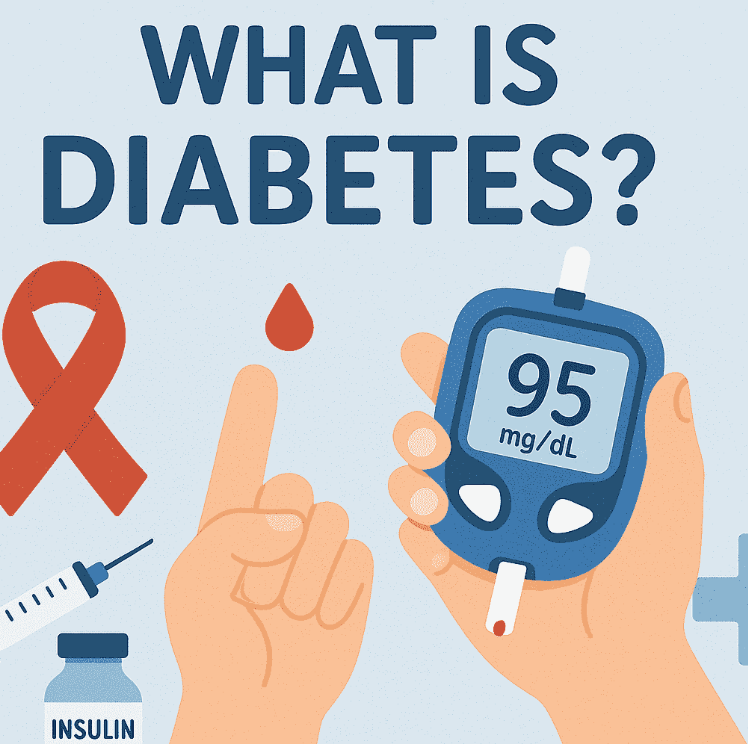
Type 2 diabetes is one of the most extensively studied outcomes in relation to dietary sugar.
Importantly, recent research demonstrates why the form in which sugar is consumed matters.
A 2025 systematic review and dose-response meta-analysis of prospective cohort studies examined different categories of dietary sugar and incident type 2 diabetes.
The analysis included 29 cohorts covering different sugar exposures.
For sugar-sweetened beverages, each additional serving was associated with a higher risk of type 2 diabetes, with a pooled risk ratio of 1.25.
Fruit juice was also associated with increased risk, although the association was smaller.
However, the analysis found no significant association for added sugar considered separately. The pooled risk ratio for added sugar was 0.99, with a 95% confidence interval of 0.96 to 1.01, and the certainty of evidence was low.
This is a very important finding.
It means that the scientific evidence does not support the simplistic statement:
“Added sugar directly causes type 2 diabetes.”
Instead, the current evidence indicates that sugar-sweetened beverages have a much more consistent association with incident type 2 diabetes.
Possible explanations include:
- Rapid consumption
- Low satiety
- High energy density
- Increased total calorie intake
- Weight gain
- Metabolic consequences associated with excess adiposity
- The overall dietary pattern accompanying beverage consumption
8. Why Sugar-Sweetened Beverages Are Particularly Important

Sugar consumed in liquid form may behave differently from sugar contained within intact foods.
Consider two examples.
Whole Apple
An apple contains naturally occurring sugars but also:
- Fiber
- Water
- Vitamin C
- Polyphenols
- Other plant compounds
Sugary Soft Drink
A regular soft drink may contain:
- Water
- Added sugar
- Calories
but generally provides very little fiber, protein, vitamins, or minerals.
The two products therefore cannot reasonably be considered nutritionally equivalent simply because both contain sugar.
This is one reason research frequently identifies sugar-sweetened beverages as an especially important dietary risk factor.
9. Added Sugar and Cardiovascular Disease
Cardiovascular health has also been extensively studied.
Research has investigated associations between sugar intake and:
- Coronary heart disease
- Stroke
- Cardiovascular mortality
- Blood pressure
- Triglycerides
- Body weight
- Metabolic health
Recent systematic reviews and meta-analyses generally find more consistent associations for sugar-sweetened beverages than for added sugar considered in isolation.
This distinction is critical when interpreting research headlines.
A study finding an association between sugary drinks and cardiovascular disease does not automatically demonstrate that every gram of added sugar from every food has the same effect.
The source of sugar, total calorie intake, nutritional composition, and overall dietary pattern all matter.
10. Added Sugar and Dental Health
Dental caries is one of the clearest health concerns associated with free sugar consumption.
When fermentable sugars are consumed, bacteria in dental plaque can metabolize them and produce acids.
Repeated acid exposure can contribute to demineralization of tooth enamel.
Over time, this can increase the risk of dental caries.
WHO specifically identifies dental caries as an important health outcome associated with free sugar consumption and recommends limiting free sugars throughout life.
Dental health is influenced by many additional factors, including:
- Fluoride exposure
- Tooth brushing
- Oral hygiene
- Frequency of sugar exposure
- Saliva
- Individual susceptibility
- Dental care
Therefore, reducing sugar is important but should be combined with appropriate oral hygiene and dental care.
11. Added Sugar and Metabolic Health
Metabolic health involves several interconnected factors.
These include:
- Blood glucose
- Insulin sensitivity
- Blood pressure
- Blood lipids
- Body fat
- Liver health
- Physical fitness
High consumption of sugar-sweetened beverages is associated with several adverse metabolic outcomes in epidemiological research.
However, researchers must distinguish direct effects of sugar from indirect effects mediated through excess energy intake and weight gain.
For example:
High sugar intake → higher calorie intake → weight gain → metabolic dysfunction
may be one pathway.
This does not mean that sugar has no independent metabolic effects, but it illustrates why the relationship cannot be reduced to a single mechanism.
12. Added Sugar and Blood Glucose
Sugars are carbohydrates and can increase blood glucose after consumption.
However, the glucose response to a food depends on much more than its sugar content.
Important factors include:
- Total carbohydrate
- Fiber
- Protein
- Fat
- Food structure
- Degree of processing
- Portion size
- Individual metabolic characteristics
For example, a whole fruit containing natural sugar and fiber may have a different glucose response from a sugar-sweetened beverage.
This is another reason why nutrition research should evaluate the whole food rather than focusing exclusively on one nutrient.
13. Added Sugar and Liver Health
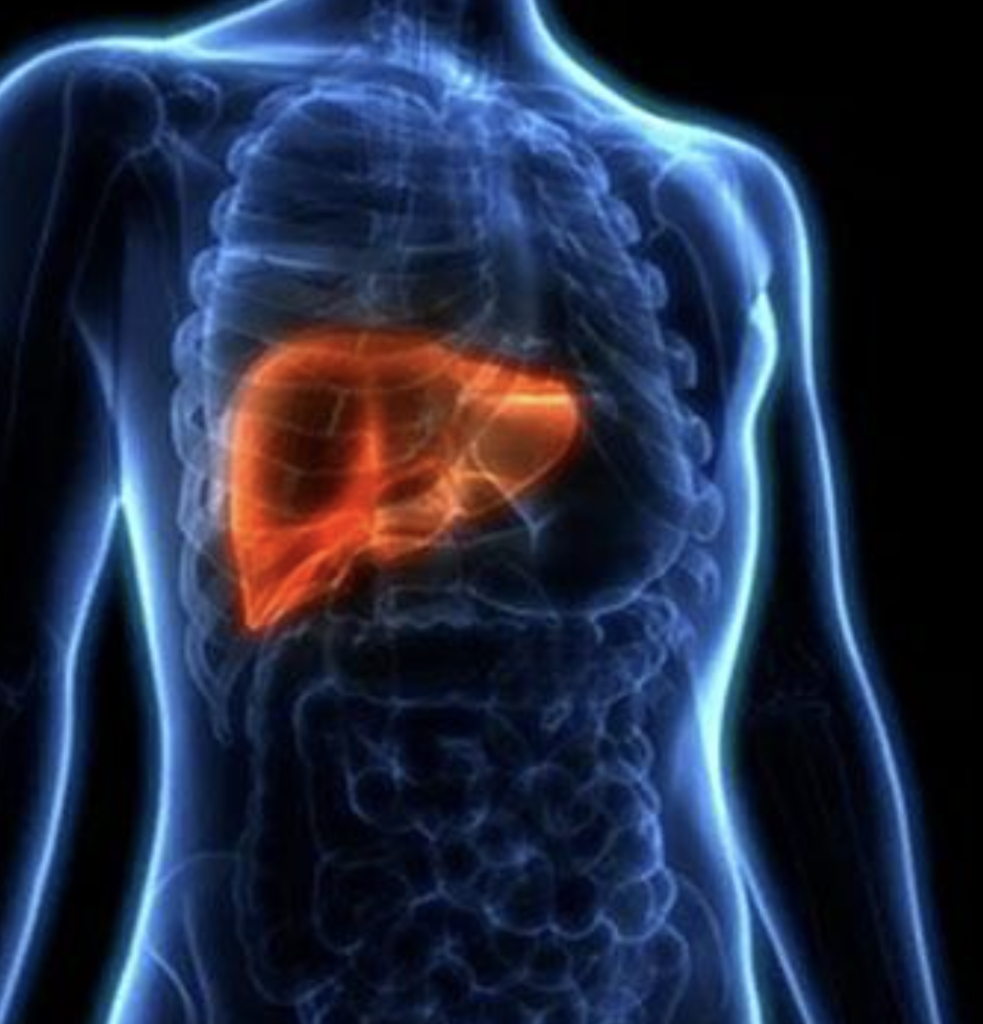
Fructose has received particular scientific attention because the liver plays a central role in fructose metabolism.
High consumption of sugar-sweetened beverages has been investigated in relation to metabolic dysfunction-associated steatotic liver disease and other metabolic liver outcomes.
Potential mechanisms include:
- Excess energy intake
- Weight gain
- Increased hepatic substrate availability
- Metabolic dysfunction
However, it would be incorrect to conclude that consuming any amount of fructose automatically causes fatty liver disease.
Liver health is influenced by:
- Body weight
- Total calorie intake
- Alcohol
- Physical activity
- Genetics
- Insulin resistance
- Overall dietary pattern
Reducing excessive sugar-sweetened beverage intake can therefore be part of a broader strategy for improving metabolic health.
14. Added Sugar and Inflammation
Inflammation is frequently discussed in relation to high-sugar diets.
Some studies have found relationships between diets high in refined carbohydrates or sugary foods and inflammatory biomarkers.
However, interpreting these findings is complicated because high sugar intake often occurs alongside other dietary and lifestyle factors.
For example, someone consuming large amounts of sugary beverages may also consume:
- More ultra-processed food
- Less fiber
- Fewer vegetables
- More total calories
- Less physical activity
Consequently, researchers cannot always determine whether an observed inflammatory association is caused specifically by sugar or by the broader dietary pattern.
It is therefore more scientifically appropriate to describe excessive added sugar as one potential contributor to an unfavorable dietary pattern rather than labeling sugar as the sole cause of chronic inflammation.
15. Added Sugar vs Natural Sugar
Understanding this distinction is essential.
Natural Sugar
Natural sugars occur naturally within foods.
Examples include:
- Fructose in whole fruit
- Glucose in fruit
- Lactose in milk
- Naturally occurring sugars in some vegetables
These foods can also provide:
- Fiber
- Vitamins
- Minerals
- Protein
- Water
- Phytochemicals
Added Sugar
Added sugar is introduced separately.
Examples include:
- Sugar added to coffee
- Sugar added to tea
- Sugar added to cereal
- Syrup added to pancakes
- Sugar added during manufacturing
- Sugar added to sauces
- Sugar added to desserts
The nutritional difference is therefore not simply the chemical identity of the sugar.
The food matrix and overall nutrient composition are important.
16. Whole Fruit vs Fruit Juice

Whole fruit and fruit juice should not automatically be treated as equivalent.
Whole fruit contains intact plant structure and fiber.
Fruit juice generally contains less fiber and allows sugar to be consumed more rapidly.
The 2025 systematic review examining dietary sugar and type 2 diabetes found that higher fruit juice consumption was associated with higher incident type 2 diabetes risk, while the relationship for added sugar alone was not significant.
This does not mean that whole fruit is harmful.
WHO’s definition of free sugars specifically distinguishes sugars naturally present in whole fresh fruits and vegetables from free sugars.
Therefore, whole fruit remains fundamentally different from a sugar-sweetened beverage.
17. How Much Added Sugar Per Day?
U.S. Guidance
The FDA lists 50 grams of added sugar per day as the Daily Value based on a 2,000-calorie diet.
The Dietary Guidelines recommendation is to consume less than 10% of total daily calories from added sugar.
At 2,000 calories:
10% = 200 calories
Sugar provides approximately 4 calories per gram.
Therefore:
200 ÷ 4 = 50 grams
The 50-gram value is therefore a reference amount rather than a recommended target to consume.
Consuming less than 50 grams is entirely compatible with the guidance.
18. WHO Recommendation for Free Sugars
WHO uses the broader term free sugars.
Free sugars include:
- Sugars added by manufacturers
- Sugars added during cooking
- Sugars added by consumers
- Sugars naturally present in honey
- Sugars in syrups
- Sugars in fruit juice
- Sugars in fruit juice concentrates
WHO recommends limiting free sugars to less than 10% of total energy intake.
For a person consuming approximately 2,000 calories:
10% ≈ 50 grams
WHO also states that reducing free sugars to 5% or less may provide additional health benefits.
At 2,000 calories:
5% ≈ 25 grams
However, the 5% recommendation is a more stringent target and should not be interpreted as a universal requirement for every individual.
19. Added Sugar Foods
Foods can be broadly divided into several categories based on their likelihood of contributing significant amounts of added sugar.
Very Common Sources
- Soft drinks
- Sweetened coffee
- Sweetened tea
- Candy
- Cakes
- Cookies
- Ice cream
- Donuts
- Sweet pastries
Moderate or Variable Sources
- Breakfast cereals
- Granola
- Yogurt
- Snack bars
- Bread
- Crackers
- Pasta sauce
- Salad dressing
- Ketchup
The amount varies greatly among brands and products.
Therefore, the category alone does not tell you how much sugar a particular product contains.
20. Foods High in Added Sugar
Some foods can contain very large amounts of added sugar per serving.
Examples include:
Regular Soft Drinks
One serving can contain a large percentage of the daily reference value.
Sweetened Coffee Drinks
Flavored syrups, sauces, whipped toppings, and sweetened creamers can substantially increase sugar content.
Desserts
Cakes, cookies, pastries, and ice cream can contain considerable amounts of sugar.
Candy
Candy is often primarily composed of sugar and other concentrated ingredients.
Sweetened Breakfast Cereals
Some products contain considerable added sugar despite being marketed as breakfast foods.
Sweetened Yogurt
Total sugar can include both naturally occurring lactose and added sugar, so the added-sugar line is especially useful.
21. Hidden Added Sugar
“Hidden added sugar” generally refers to sugar that is less obvious because it appears in foods that consumers may not think of as sweet.
Examples include:
- Bread
- Sauces
- Salad dressings
- Ketchup
- Barbecue sauce
- Breakfast cereals
- Granola
- Protein bars
- Instant oatmeal
- Flavored yogurt
- Packaged snacks
Consumers should not automatically conclude that a product is unhealthy merely because sugar appears in the ingredient list.
Instead, examine the quantity.
22. Names Used for Added Sugar
Added sugar can appear under many names.
Common examples include:
- Sucrose
- Dextrose
- Glucose
- Fructose
- Maltose
- Cane sugar
- Brown sugar
- Corn syrup
- High-fructose corn syrup
- Rice syrup
- Agave syrup
- Honey
- Maple syrup
- Molasses
- Invert sugar
A common misconception is that switching from one form of added sugar to another automatically makes a food substantially healthier.
For example, replacing table sugar with honey does not mean that the resulting product is free of free sugars.
WHO explicitly includes sugars naturally present in honey and syrups in its definition of free sugars.
23. Is Honey a Healthier Sugar?
Honey is a natural food and contains small quantities of other compounds in addition to sugars.
However, honey still contributes free sugar.
Therefore, it should not be treated as an unlimited alternative to sugar.
Replacing table sugar with honey may change flavor and may provide small amounts of other compounds, but it does not eliminate the need to consider total sugar intake.
24. Is Brown Sugar Better Than White Sugar?

Brown sugar and white table sugar are chemically similar in their primary carbohydrate content.
Brown sugar contains molasses, which provides its characteristic color and flavor.
However, the difference is not large enough to make brown sugar a fundamentally different nutritional category.
If someone wants to reduce added sugar, simply replacing white sugar with brown sugar is unlikely to meaningfully reduce overall sugar exposure.
Reducing the total amount of added sugar is more important.
25. Added Sugar Nutrition Facts
The Nutrition Facts label provides one of the most practical ways to evaluate added sugar.
The U.S. label separates:
Total Sugars
from
Added Sugars
Total sugars include both naturally occurring sugars and added sugars. The FDA does not establish a Daily Value for total sugars.
Added sugars identify the amount introduced into the product.
For example, a yogurt might contain:
Total Sugars: 15 g
Includes Added Sugars: 7 g
This means the product contains 15 grams of total sugar, of which 7 grams are added sugars.
26. Added Sugar % Daily Value
The FDA uses the Daily Value to provide context.
The current Daily Value for added sugar is:
50 grams per day
based on a 2,000-calorie diet.
The FDA provides the following general interpretation:
5% DV or less = low
20% DV or more = high
Therefore, a product containing 20% Daily Value or more of added sugar is considered high in added sugar according to the general %DV guide.
For example:
5% DV = 2.5 grams
10% DV = 5 grams
20% DV = 10 grams
50% DV = 25 grams
100% DV = 50 grams
27. Why Serving Size Matters

Nutrition Facts information is generally provided per serving.
Suppose a bottle contains two servings and each serving contains:
20 grams of added sugar
If the entire bottle is consumed:
20 × 2 = 40 grams
Therefore, looking only at the front of the package or the “per serving” number can lead to underestimating intake.
Always check:
- Serving size
- Servings per container
- Added sugar per serving
- Amount actually consumed
28. How to Reduce Added Sugar
Reducing added sugar does not require eliminating every sweet food.
A gradual strategy can be practical and sustainable.
Step 1: Identify the Biggest Sources
Look at:
- Drinks
- Breakfast foods
- Desserts
- Snacks
- Sauces
- Sweetened dairy products
You do not necessarily need to change everything simultaneously.
Step 2: Start With Beverages
Replacing regular soda with water can be one of the simplest ways to reduce added sugar.
Other options include:
- Sparkling water
- Unsweetened tea
- Unsweetened coffee
- Water with lemon or lime
Step 3: Choose Less-Sweetened Foods
Instead of highly sweetened cereal, try:
- Plain oatmeal
- Unsweetened whole-grain cereal
- Whole fruit
- Nuts and seeds
Step 4: Choose Plain Yogurt
Plain yogurt can be combined with:
- Berries
- Bananas
- Nuts
- Seeds
- Cinnamon
This provides sweetness while maintaining control over added sugar.
Step 5: Reduce Sugar Gradually
If you regularly add sugar to coffee or tea, gradually decreasing the amount can help your taste preferences adapt.
29. How to Reduce Added Sugar Without Feeling Deprived
Extreme restriction is not necessary for most people.
A practical approach is to reduce the foods that contribute large quantities while allowing occasional treats.
For example:
Instead of drinking a large sugary beverage every day, make it an occasional choice.
Instead of eating a large dessert portion, choose a smaller portion.
Instead of sweetened yogurt every day, alternate with plain yogurt and fruit.
Instead of adding several teaspoons of sugar to coffee, gradually reduce the amount.
This approach focuses on the average dietary pattern rather than demanding perfection.
30. Added Sugar and Artificial Sweeteners
Artificial and non-sugar sweeteners are often used to reduce sugar consumption.
However, replacing added sugar with non-sugar sweeteners is not necessarily the only or best long-term strategy.
WHO currently recommends reducing free sugar intake without relying on non-sugar sweeteners as the primary method of achieving this reduction.
The recommendation is not the same as saying that every non-sugar sweetener is inherently toxic.
Rather, WHO’s guidance emphasizes reducing the overall preference for sweetness rather than simply substituting one sweet taste for another.
This is an important distinction.
31. Added Sugar and Children
Children are exposed to added sugar through:
- Sweetened beverages
- Breakfast cereals
- Desserts
- Candy
- Sweetened yogurt
- Snack foods
High consumption of sugar-sweetened beverages is associated with overweight and obesity in children according to WHO.
A practical approach for children includes:
- Water as a primary beverage
- Whole fruit instead of fruit-flavored drinks
- Less-sweetened breakfast foods
- Limited sugar-sweetened beverages
- Regular nutritious meals
- Appropriate portion sizes
The goal should not necessarily be a completely sugar-free diet.
Developing a balanced relationship with food is also important.
32. Added Sugar and Older Adults
For older adults, nutritional density becomes particularly important.
A diet heavily dominated by added sugar may displace foods providing:
- Protein
- Fiber
- Calcium
- Vitamin D
- Iron
- Potassium
- Other micronutrients
Older adults may therefore benefit from emphasizing nutrient-dense foods while keeping highly sugary foods in smaller amounts.
33. Added Sugar and Dietary Quality
One of the most important concepts in nutrition science is dietary displacement.
Suppose a person consumes 300 calories from sugary snacks.
Those calories may replace:
- Fruit
- Vegetables
- Whole grains
- Legumes
- Nuts
- Protein-rich foods
The concern is therefore not only the sugar itself.
It is also what the sugar-containing food replaces.
This is one reason nutrition researchers increasingly focus on dietary patterns rather than isolated nutrients.
34. Added Sugar and Ultra-Processed Foods
Added sugar is frequently found in ultra-processed foods.
However, added sugar and ultra-processing are not identical concepts.
A food can contain added sugar without being highly ultra-processed.
Likewise, an ultra-processed food may contain relatively little sugar.
Therefore, these concepts should not be treated as interchangeable.
Nevertheless, many foods high in added sugar are also highly processed and may contain combinations of:
- Refined starch
- Added fats
- Sodium
- Flavoring agents
- Sweeteners
- Low fiber
The overall dietary pattern may therefore be more important than any single ingredient.
35. What Does the Latest Research Tell Us?
Recent evidence provides several important conclusions.
Conclusion 1: Sugar-sweetened beverages have particularly strong evidence of association with adverse health outcomes.
The 2025 systematic review of prospective cohort studies found that each additional serving of sugar-sweetened beverages was associated with a 25% higher relative risk of incident type 2 diabetes.
Conclusion 2: Added sugar alone is more difficult to study.
In the same 2025 analysis, added sugar itself was not significantly associated with incident type 2 diabetes, although the certainty of evidence was low.
This illustrates why researchers distinguish between sugar categories.
Conclusion 3: Food form matters.
Liquid sugar appears to have a particularly important relationship with cardiometabolic health.
Conclusion 4: Excess free sugar can contribute to excess energy intake.
WHO states that free sugars increase dietary energy density and can threaten nutrient quality.
Conclusion 5: Dental health is an established concern.
Higher free sugar consumption increases the risk of dental caries, supporting recommendations to keep free sugar intake low.
36. Important Limitations in Nutrition Research
Nutrition research is difficult because people do not consume isolated nutrients.
They consume meals and dietary patterns.
For example, a person consuming a lot of added sugar may also:
- Eat more processed food
- Eat fewer vegetables
- Exercise less
- Sleep less
- Have higher calorie intake
- Have a higher body weight
Researchers can statistically adjust for some of these factors, but observational research cannot eliminate all possible confounding.
Therefore, a study showing an association does not automatically establish that sugar alone caused the observed disease.
This is particularly important when interpreting media headlines.
37. Added Sugar Is Not the Same as All Sugar
A common nutritional misconception is:
“Sugar is sugar, so all sugar-containing foods should be avoided.”
This is not supported by the way major health organizations define sugar.
The FDA distinguishes added sugar from naturally occurring sugar in milk, fruits, and vegetables.
WHO distinguishes free sugars from intrinsic sugars naturally present in whole fresh fruits and vegetables.
Therefore, a healthy diet does not require eliminating whole fruit simply because fruit contains natural sugar.
38. A Practical Comparison
Consider four foods:
Whole Apple
Contains natural sugar, fiber, water, vitamins, minerals, and plant compounds.
Plain Milk
Contains naturally occurring lactose, protein, calcium, and other nutrients.
Sweetened Yogurt
Contains natural lactose plus added sugar, along with protein and other nutrients.
Sugar-Sweetened Soda
Primarily provides water, added sugar, and calories with little fiber or micronutrient content.
The fact that all four contain sugar does not make them nutritionally equivalent.
39. A Practical Added Sugar Checklist
When purchasing a packaged food, ask:
1. How much added sugar is present per serving?
2. How large is the serving?
3. How many servings are in the package?
4. What percentage of the Daily Value does it provide?
5. Is the product also a source of fiber?
6. Does it provide protein?
7. Does it provide meaningful vitamins and minerals?
8. Is there an unsweetened alternative?
9. Am I drinking the sugar rather than eating it?
10. How often do I consume this product?
These questions provide much more useful information than simply asking whether the ingredient list contains the word “sugar.”
40. A Practical Daily Strategy
A lower-added-sugar dietary pattern might include:
Breakfast
- Eggs
- Plain oatmeal
- Whole fruit
- Plain yogurt
- Nuts
- Whole grains
Lunch
- Vegetables
- Lean protein or other protein-rich foods
- Whole grains or legumes
- Water or unsweetened beverages
Snack
- Whole fruit
- Nuts
- Seeds
- Plain yogurt
Dinner
- Vegetables
- Protein-rich foods
- Whole grains or legumes
- A modest amount of sauce if desired
Dessert
An occasional dessert can fit into an overall healthy diet.
The goal is not necessarily zero sugar.
The goal is to keep added sugar from becoming a dominant source of daily calories.
41. How Much Added Sugar Is Too Much?
There is no single gram amount that applies identically to every person because energy requirements differ.
However, the U.S. Daily Value of 50 grams is a useful reference based on a 2,000-calorie diet.
WHO’s free-sugar recommendation is based on percentage of energy rather than a universal gram limit.
For example:
1,500 calories
10% = 150 calories
150 ÷ 4 = approximately 37.5 grams
2,000 calories
10% = 200 calories
200 ÷ 4 = 50 grams
2,500 calories
10% = 250 calories
250 ÷ 4 = approximately 62.5 grams
These calculations illustrate why calorie requirements matter when interpreting percentage-based recommendations.
42. Added Sugar and Individual Health Conditions
People with certain medical conditions may need individualized dietary recommendations.
Examples include:
- Diabetes
- Prediabetes
- Obesity
- Metabolic syndrome
- Cardiovascular disease
- Dental disease
- Fatty liver disease
- Certain eating disorders
A person with diabetes, for example, may need to consider not only added sugar but total carbohydrate intake, meal composition, medication, physical activity, and blood glucose monitoring.
Therefore, general added-sugar recommendations should not replace individualized medical advice.
43. The Most Practical Ways to Reduce Added Sugar
For many people, the most effective changes are relatively simple:
Replace sugary drinks with water or unsweetened beverages.
Choose whole fruit instead of fruit-flavored drinks.
Compare breakfast cereals by added sugar content.
Choose plain yogurt and add fruit when desired.
Reduce the amount of sugar added to coffee and tea.
Check sauces and condiments.
Pay attention to serving sizes.
Keep desserts as occasional foods rather than automatic daily foods.
Focus on overall dietary quality rather than eliminating every gram of sugar.
44. The Bottom Line on Added Sugar
The current scientific evidence supports limiting excessive consumption of added and free sugars, particularly sugar-sweetened beverages.
The reasons include:
- Contribution to excess calorie intake
- Lower dietary nutrient density
- Increased risk of unhealthy weight gain
- Strong associations between sugar-sweetened beverages and type 2 diabetes
- Associations between sugar-sweetened beverages and cardiovascular outcomes
- Increased risk of dental caries with high free-sugar exposure
At the same time, current research does not justify treating all sugar-containing foods as nutritionally identical.
Whole fruit is different from fruit juice.
Fruit juice is different from soda.
Plain milk is different from sweetened milk.
Plain yogurt is different from a heavily sweetened dessert.
And a small amount of added sugar in an otherwise nutritious food is different from a dietary pattern dominated by sugary beverages and desserts.
The 2025 systematic review of prospective cohort studies is particularly informative because it found a substantially stronger association between sugar-sweetened beverage consumption and type 2 diabetes than between added sugar considered independently and type 2 diabetes.
This suggests that the source and form of sugar are important parts of the scientific picture.
45. Final Health Perspective
A healthy dietary pattern does not need to be completely sugar-free.
Instead, the evidence supports an approach centered on:
- Lower consumption of sugar-sweetened beverages
- Moderate consumption of foods high in added sugar
- Greater intake of whole fruits and vegetables
- Adequate dietary fiber
- Adequate protein
- Whole grains and legumes
- Nuts and seeds
- Appropriate overall calorie intake
- Regular physical activity
- Good dental hygiene
The FDA currently uses 50 grams of added sugar per day as the Daily Value on U.S. Nutrition Facts labels based on a 2,000-calorie diet.
WHO recommends keeping free sugars below 10% of total energy intake, with a reduction to 5% or less potentially providing additional health benefits.
These recommendations should be understood as population-level dietary guidance rather than individualized medical prescriptions.
The most useful long-term strategy is not to fear sugar but to understand it.
Read the label.
Check the serving size.
Look specifically at added sugars.
Pay attention to sugary beverages.
Compare similar products.
Choose nutrient-dense foods most of the time.
And consider the overall dietary pattern rather than judging a food solely because it contains sugar.
Important Health Disclaimer
This article is for general educational purposes and does not constitute individualized medical or nutritional advice. People with diabetes, prediabetes, metabolic disease, cardiovascular disease, liver disease, dental disease, or other medical conditions should discuss major dietary changes with an appropriately qualified healthcare professional.
Related Keywords
- added sugar
- added sugar intake
- added sugar foods
- added sugar health effects
- how much added sugar per day
- added sugar vs natural sugar
- foods high in added sugar
- how to reduce added sugar
- hidden added sugar
- added sugar nutrition facts

🇰🇷 Premium Korean Ginseng Online Shop | SeoulGinseng.com
We’re a Korea-based online shop dedicated to authentic, premium Korean ginseng
Boost your health naturally with premium Korean ginseng!
🇰🇷 All orders are shipped directly from Korea with free worldwide shipping.
🎁 20% OFF Your Order — Use Code: vip20 — Limited to the First 3 Orders Each Day!