
Introduction
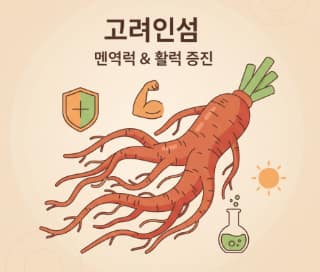
Ginseng for immune support has attracted global scientific and clinical interest for decades. Traditionally used in East Asian medicine, ginseng is now studied worldwide for its effects on immune regulation, resilience, and overall health. Importantly, modern research no longer relies only on tradition. Instead, it examines active compounds, mechanisms, and safety through controlled studies. Therefore, this article explains how ginseng supports immune health, what science actually confirms, and how to use it responsibly.
What Is Ginseng? A Brief Scientific Overview
Ginseng refers to plants from the Panax genus, meaning “all-healing” in Greek. However, not all ginsengs are equal. The most researched types include:
- Panax ginseng (Korean or Asian ginseng)
- Panax quinquefolius (American ginseng)
Both contain ginsenosides, the primary bioactive compounds. These molecules influence immune signaling, inflammation, and oxidative balance. According to pharmacological studies, ginsenosides act as immunomodulators, not immune stimulants. Therefore, they help balance immune responses rather than overstimulate them.
Authoritative institutions such as the National Institutes of Health (NIH) recognize ginseng as one of the most studied medicinal herbs worldwide.
Reference: https://www.nccih.nih.gov/health/ginseng
How Ginseng Supports the Immune System
1. Immune Modulation, Not Overstimulation
A healthy immune system must respond effectively without becoming overactive. Research shows that ginseng helps regulate both innate and adaptive immunity. For example, ginsenosides influence:
- Natural killer (NK) cell activity
- Macrophage response
- Cytokine signaling balance
Because of this, ginseng for immune support is often discussed as a balancing agent rather than a quick “immune booster.”
Study reference (PubMed):
https://pubmed.ncbi.nlm.nih.gov/31401232/
2. Antioxidant Protection and Immune Resilience
Oxidative stress weakens immune defenses over time. Ginseng contains antioxidant compounds that reduce free radical damage. Consequently, immune cells maintain better function during physical or mental stress.
The World Health Organization (WHO) notes that antioxidant-rich botanicals contribute to long-term immune resilience rather than short-term stimulation.
WHO monograph reference:
https://apps.who.int/medicinedocs/en/d/Js4927e/
3. Support During Physical and Mental Stress
Chronic stress suppresses immune function. Ginseng is classified as an adaptogen, meaning it helps the body adapt to stressors. Clinical studies suggest that adaptogenic herbs support immune balance indirectly by regulating cortisol levels and improving energy metabolism.
This explains why ginseng is often studied in populations exposed to high workloads, aging-related immune decline, or environmental stress.
Scientific Evidence: What Research Actually Says
Clinical Studies and Reviews
Several peer-reviewed studies support the role of ginseng in immune health:
- A randomized controlled trial showed improved immune markers in adults consuming standardized Panax ginseng extract.
- Meta-analyses indicate reduced frequency of common respiratory infections, though results vary by dosage and formulation.
Importantly, researchers emphasize supportive effects, not disease treatment.
PubMed review link:
https://pubmed.ncbi.nlm.nih.gov/33023822/
Limitations of Current Research
Despite promising findings, evidence is not absolute. Many studies differ in:
- Ginseng species
- Dosage
- Extraction methods
- Study duration
Therefore, reputable health organizations avoid exaggerated claims. Instead, they describe ginseng as potentially beneficial when used appropriately.
Types of Ginseng and Their Immune-Relevant Differences
Korean Red Ginseng
- Steam-processed Panax ginseng
- Higher concentration of specific ginsenosides
- Most studied for immune modulation
American Ginseng
- Cooling energetic profile in traditional systems
- Often studied for metabolic and immune balance
White Ginseng
- Air-dried, less processed
- Milder immune effects
For immune-related purposes, standardized Korean red ginseng extracts are most frequently researched.
How to Use Ginseng Safely for Immune Health
Forms Available
- Capsules or tablets
- Liquid extracts
- Herbal teas
- Functional foods
Standardized extracts ensure consistent ginsenoside content. Therefore, they are preferred in clinical research.
General Dosage Guidance (Adults)
Most studies use:
- 200–400 mg/day of standardized extract
However, dosage depends on formulation and individual health status. Always follow product instructions and professional guidance.
Who Should Be Cautious
Although generally safe, ginseng is not suitable for everyone.
Use caution if you:
- Are pregnant or breastfeeding
- Have autoimmune conditions
- Take blood thinners or immunosuppressive drugs
Consult a healthcare professional before starting supplementation.
NIH safety overview:
https://ods.od.nih.gov/factsheets/Ginseng-Consumer/
Ginseng vs. Other Immune-Support Herbs
| Herb | Primary Role | Evidence Strength |
|---|---|---|
| Ginseng | Immune modulation, stress adaptation | Strong |
| Echinacea | Short-term immune response | Moderate |
| Elderberry | Antioxidant, seasonal support | Moderate |
| Turmeric | Anti-inflammatory | Strong |
Unlike short-term immune herbs, ginseng for immune support is best suited for long-term balance.
Common Myths About Ginseng and Immunity
- Myth: Ginseng prevents all infections
Fact: It supports immune balance, not guaranteed prevention. - Myth: Higher doses work faster
Fact: Excess intake increases side effects without added benefit. - Myth: All ginseng products are the same
Fact: Species, processing, and quality vary significantly.
Safety, Side Effects, and Interactions
Most users tolerate ginseng well. However, mild effects may include:
- Insomnia if taken late
- Digestive discomfort
- Headache in sensitive individuals
To reduce risk:
- Take earlier in the day
- Avoid combining with stimulants
- Use time-limited cycles (e.g., 8–12 weeks)
Conclusion: Is Ginseng Worth Considering for Immune Health?
Scientific evidence suggests that ginseng for immune support offers measurable benefits when used responsibly. Rather than overstimulating immunity, it helps regulate immune responses, improve resilience, and support overall well-being. However, it is not a medical treatment or cure.
Always choose standardized products, respect dosage guidance, and consult healthcare professionals for personalized advice.
Medical Disclaimer:
This article is for educational purposes only and does not replace professional medical advice, diagnosis, or treatment.
Frequently Asked Questions (FAQ)
Is ginseng safe for daily immune support?
For most healthy adults, short-term daily use is considered safe when taken as directed.
How long does ginseng take to support immunity?
Studies suggest effects may appear after several weeks of consistent use.
Can ginseng replace vaccines or medications?
No. Ginseng supports immune health but does not replace medical treatments.
Is Korean ginseng better than American ginseng?
Korean red ginseng has more immune-focused research, but both have benefits.
🇰🇷 Premium Korean Ginseng Online Shop


