
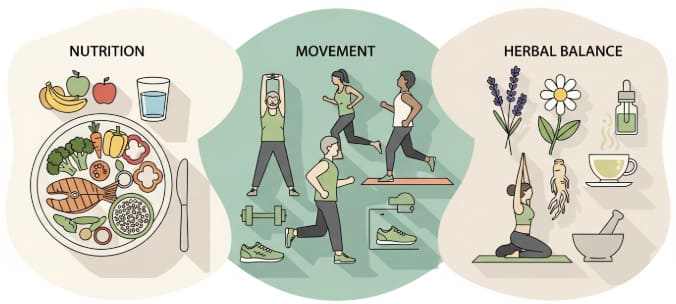
Introduction
A healthy lifestyle for adults over 30 is no longer optional. It is a biological necessity. After the age of 30, metabolism slows, muscle mass gradually declines, and hormonal balance becomes more sensitive to stress, sleep loss, and poor nutrition. As a result, lifestyle choices made during this decade strongly influence cardiovascular health, cognitive performance, immunity, and longevity. Therefore, adopting evidence-based habits early can significantly reduce the risk of chronic disease while preserving energy and quality of life.
This article provides a medically accurate and science-driven guide to building sustainable health after 30. It integrates modern nutrition science, lifestyle medicine, and traditional herbal knowledge, including Korean ginseng, within safe and ethical health communication standards.
Why Health Needs Change After 30
After 30, the body enters a new physiological phase. Although aging is gradual, several measurable changes occur. Muscle protein synthesis slows, insulin sensitivity may decline, and recovery from stress becomes less efficient. Consequently, adults who maintain habits from their twenties often experience fatigue, weight gain, or reduced focus.
According to the National Institutes of Health (NIH), age-related metabolic changes begin as early as the third decade of life. Therefore, preventive strategies are essential rather than reactive treatment.
Key changes include:
- Reduced basal metabolic rate
- Increased oxidative stress
- Gradual decline in mitochondrial efficiency
- Higher vulnerability to chronic inflammation
Because of these factors, a healthy lifestyle for adults over 30 must focus on prevention, balance, and long-term sustainability rather than short-term results.
Evidence-Based Nutrition for Adults Over 30
Nutrition remains the foundation of health. However, nutritional needs evolve with age. After 30, nutrient density becomes more important than calorie quantity.
Key nutritional principles
- Prioritize lean protein to preserve muscle mass
- Increase fiber intake for metabolic and gut health
- Reduce refined sugars to support insulin sensitivity
- Emphasize healthy fats for hormonal balance
Research published in The American Journal of Clinical Nutrition confirms that higher protein intake supports muscle maintenance in adults over 30. Meanwhile, fiber-rich diets reduce cardiovascular risk and support gut microbiota diversity.
Foods that support long-term health
- Fatty fish rich in omega-3 fatty acids
- Leafy greens high in magnesium and antioxidants
- Fermented foods for gut integrity
- Whole grains for sustained energy
In contrast, ultra-processed foods increase inflammation and oxidative stress. Therefore, limiting them is essential for disease prevention.
Physical Activity: Quality Over Intensity
Exercise remains essential. However, the approach must evolve. High-intensity routines without recovery often lead to injury or burnout.
Recommended exercise balance
- Resistance training 2–3 times per week
- Moderate cardiovascular exercise 150 minutes per week
- Mobility and flexibility work to protect joints
According to the World Health Organization (WHO), adults who combine strength training and aerobic exercise experience lower mortality risk and improved metabolic health.
Importantly, recovery is no longer optional. Adequate sleep, hydration, and rest days protect hormonal balance and nervous system health.
Stress Management and Mental Well-Being
Chronic stress accelerates aging. Cortisol dysregulation negatively affects immunity, sleep, and metabolic health. Therefore, stress management is a core pillar of a healthy lifestyle for adults over 30.
Evidence-based stress reduction strategies
- Mindfulness-based stress reduction (MBSR)
- Controlled breathing techniques
- Regular exposure to nature
- Structured daily routines
A meta-analysis published in JAMA Internal Medicine confirms that mindfulness practices significantly reduce anxiety and stress-related symptoms.
Additionally, emotional resilience improves adherence to healthy habits. Therefore, mental health care is preventive medicine, not a luxury.
Sleep: The Most Underrated Health Intervention
Sleep quality often declines after 30 due to work stress and digital exposure. However, sleep directly affects metabolic regulation, immune defense, and cognitive performance.
The Centers for Disease Control and Prevention (CDC) recommend 7–9 hours of sleep for adults. Unfortunately, many adults fail to meet this standard.
Sleep optimization strategies
- Maintain consistent sleep schedules
- Limit screen exposure before bedtime
- Reduce caffeine intake after midday
- Optimize bedroom lighting and temperature
Because sleep deprivation increases insulin resistance and inflammation, improving sleep quality directly supports longevity.
Herbal Support in a Healthy Lifestyle After 30
Herbal medicine can complement modern lifestyle strategies when used responsibly. Among traditional botanicals, Korean ginseng (Panax ginseng) has been extensively studied.
Scientific evidence on Korean ginseng
Research indexed in PubMed indicates that Korean ginseng supports:
- Energy metabolism
- Stress adaptation
- Cognitive performance
- Immune modulation
A systematic review published in Journal of Ginseng Research highlights its adaptogenic properties. These effects help the body respond to physical and mental stress without overstimulation.
Importantly, Korean ginseng does not replace medical treatment. Instead, it supports physiological balance when integrated into a comprehensive lifestyle plan.
Therefore, it aligns well with a healthy lifestyle for adults over 30, particularly for individuals managing fatigue or chronic stress.
Always consult a healthcare professional before using herbal supplements, especially if you take medication or have chronic conditions.
Preventive Health Screenings and Medical Guidance
Lifestyle alone is not sufficient without medical oversight. Preventive screenings detect silent risks early.
Recommended screenings after 30 include:
- Blood pressure monitoring
- Lipid profile assessment
- Blood glucose testing
- Body composition analysis
According to the WHO, early detection significantly reduces disease burden and healthcare costs. Therefore, lifestyle and medical care must work together.
Frequently Asked Questions (FAQ)
What is the most important habit for adults over 30?
Consistency. Sustainable habits outperform extreme interventions over time.
Can herbal supplements replace a healthy diet?
No. Supplements support health but never replace balanced nutrition.
Is Korean ginseng safe for daily use?
Generally yes, when used appropriately. However, medical consultation is advised.
How often should adults over 30 exercise?
At least 150 minutes per week, combined with strength training.
Does stress really affect physical health?
Yes. Chronic stress increases inflammation and disease risk.
Conclusion: Investing in Your Future Health
A healthy lifestyle for adults over 30 is an investment rather than a sacrifice. Every balanced meal, restorative sleep cycle, and mindful habit compounds into stronger immunity, sharper focus, and sustained vitality over time.
At this stage of life, prevention becomes a powerful tool. Scientific evidence consistently shows that integrated lifestyle strategies outperform medication alone for long-term health outcomes. Nutrition, regular movement, stress regulation, and responsible herbal support work together as a complete system of care.
When sourced responsibly and used correctly, Korean ginseng offers a natural bridge between traditional wisdom and modern science. It supports energy regulation, stress resilience, and healthy aging without aggressive stimulation or dependency.
Your health journey deserves credibility, quality, and long-term thinking. By prioritizing evidence-based habits and consulting qualified healthcare professionals, you protect not only your present well-being but also your future independence and vitality.
🇰🇷 Premium Korean Ginseng Online Shop


