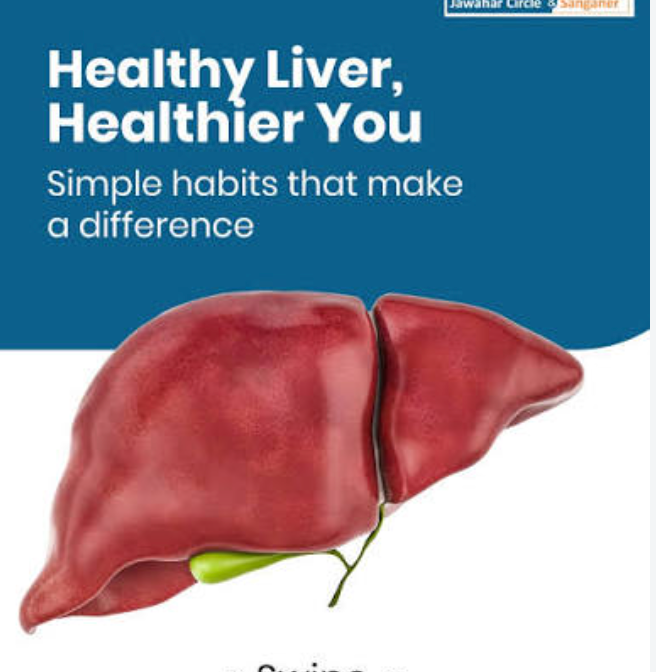
Your liver performs many essential functions, including processing nutrients, producing bile, supporting metabolism, and helping the body process substances from food, medicines, and alcohol. Some liver conditions can develop with few or no symptoms in their early stages, which makes everyday prevention and appropriate medical care important.
The most effective healthy liver habits include maintaining a healthy weight, eating a balanced diet, exercising regularly, limiting alcohol, preventing viral hepatitis, and using medicines and supplements carefully. These habits are especially relevant to metabolic dysfunction-associated steatotic liver disease (MASLD), alcohol-associated liver disease, and viral hepatitis.
Healthy liver habits cannot guarantee that you will never develop liver disease. Genetics, infections, autoimmune conditions, medications, and other factors can also affect liver health. However, many everyday choices can reduce preventable risks and support overall metabolic health.
What Are Healthy Liver Habits?
Healthy liver habits are everyday behaviors that help protect the liver from avoidable damage and support overall metabolic and liver health.
Important habits include:
- Eating a balanced diet
- Maintaining a healthy weight
- Exercising regularly
- Limiting alcohol
- Avoiding unnecessary supplements and medications
- Preventing and screening for viral hepatitis
- Managing blood sugar and cholesterol
- Limiting sugary drinks and highly processed foods
- Getting appropriate medical evaluation when liver problems are suspected
There is no single food, drink, or supplement that can replace these habits. A consistent lifestyle pattern is more important than a short-term “liver detox.”
For more background, see the NIDDK overview of fatty liver disease, which explains the causes, symptoms, diagnosis, and treatment of MASLD/NAFLD.
Why Is Liver Health Important?
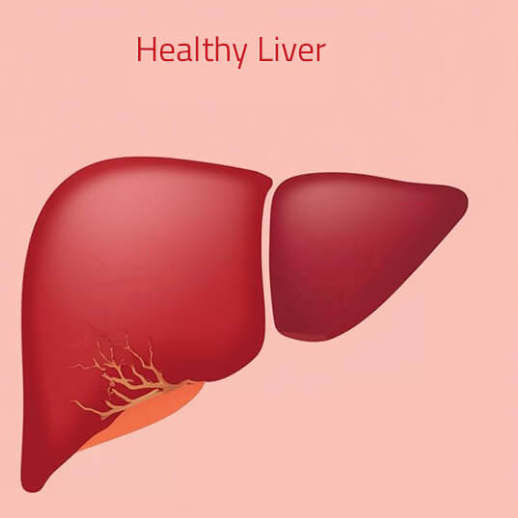
The liver plays an important role in digestion, metabolism, nutrient processing, and many other biological functions.
Liver disease can have many causes, including:
- Metabolic dysfunction-associated steatotic liver disease
- Alcohol-associated liver disease
- Hepatitis B
- Hepatitis C
- Autoimmune liver diseases
- Genetic conditions
- Certain medications and supplements
- Other medical conditions
Some liver diseases cause few symptoms at first. For example, fatty liver disease often produces few or no symptoms.
Over time, persistent liver injury can lead to fibrosis and cirrhosis. Common causes of cirrhosis include alcohol-associated liver disease, fatty liver disease, and chronic hepatitis B or C infection.
That is why protecting liver health is not only about responding to symptoms. It also involves reducing known risk factors and getting appropriate screening when recommended.
1. Maintain a Healthy Weight
Maintaining a healthy weight is one of the most important lifestyle habits for people at risk of fatty liver disease.
Excess body weight, insulin resistance, type 2 diabetes, and other metabolic conditions are associated with MASLD.
For people with overweight or obesity who have fatty liver disease, gradual weight loss can reduce liver fat. According to the NIDDK guidance on NAFLD treatment, losing at least 3% to 5% of body weight can reduce liver fat, while losing up to 7% to 10% may be needed to improve liver inflammation and fibrosis.
These figures should not be interpreted as a universal weight-loss target for everyone. They are particularly relevant to people with fatty liver disease who have overweight or obesity.
Avoid rapid weight loss
A sustainable approach is generally preferable to crash diets.
NIDDK notes that rapid weight loss and malnutrition can make liver disease worse.
Instead of trying to lose weight as quickly as possible, focus on:
- Reasonable portions
- Regular physical activity
- Nutrient-dense foods
- Consistent eating habits
- Sustainable changes
If you already have a healthy weight, there is no need to pursue unnecessary weight loss simply for liver health.
2. Eat a Balanced Diet
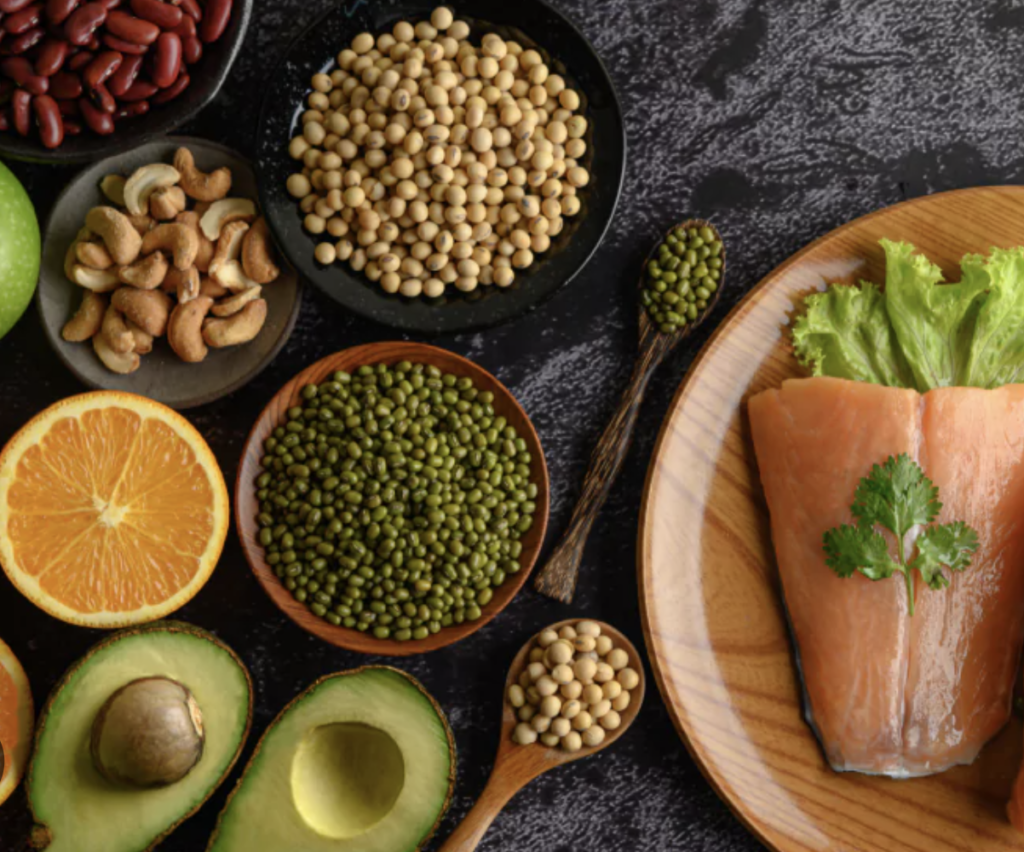
A balanced diet can support liver health by helping maintain a healthy weight and improving overall metabolic health.
Rather than looking for one “best” liver food, build your diet around a variety of nutrient-dense foods.
Good choices include:
- Vegetables
- Whole fruits
- Whole grains
- Beans and lentils
- Fish and seafood
- Lean protein sources
- Nuts and seeds
- Foods containing unsaturated fats
NIDDK recommends healthy foods such as vegetables, fruits, lean protein foods, and whole grains. It also recommends limiting saturated and trans fats and replacing them with healthier unsaturated fats when appropriate.
Focus on the overall eating pattern
For example, a balanced meal might contain:
- Plenty of vegetables
- A protein source
- Whole grains or another high-fiber carbohydrate
- A moderate amount of healthy fat
This approach is more useful than eliminating an entire food group without a medical reason.
3. Limit Sugary Drinks and Excess Added Sugar
Reducing foods and drinks high in added sugar can support better metabolic health and may be particularly useful for people concerned about fatty liver disease.
NIDDK specifically recommends avoiding foods and beverages containing large amounts of simple sugars, especially fructose, in the context of fatty liver disease. Examples include sugar-sweetened soft drinks, sports drinks, sweetened tea, and some juices.
A simple everyday change is to replace sugary drinks with:
- Water
- Unsweetened sparkling water
- Unsweetened tea
- Other low- or no-sugar beverages
Whole fruit is different from many sugary beverages because whole fruit provides fiber and has a different food structure.
The goal is not to eliminate all carbohydrates or fruit. Instead, focus on reducing excess added sugar and choosing minimally processed foods more often.
4. Exercise Regularly
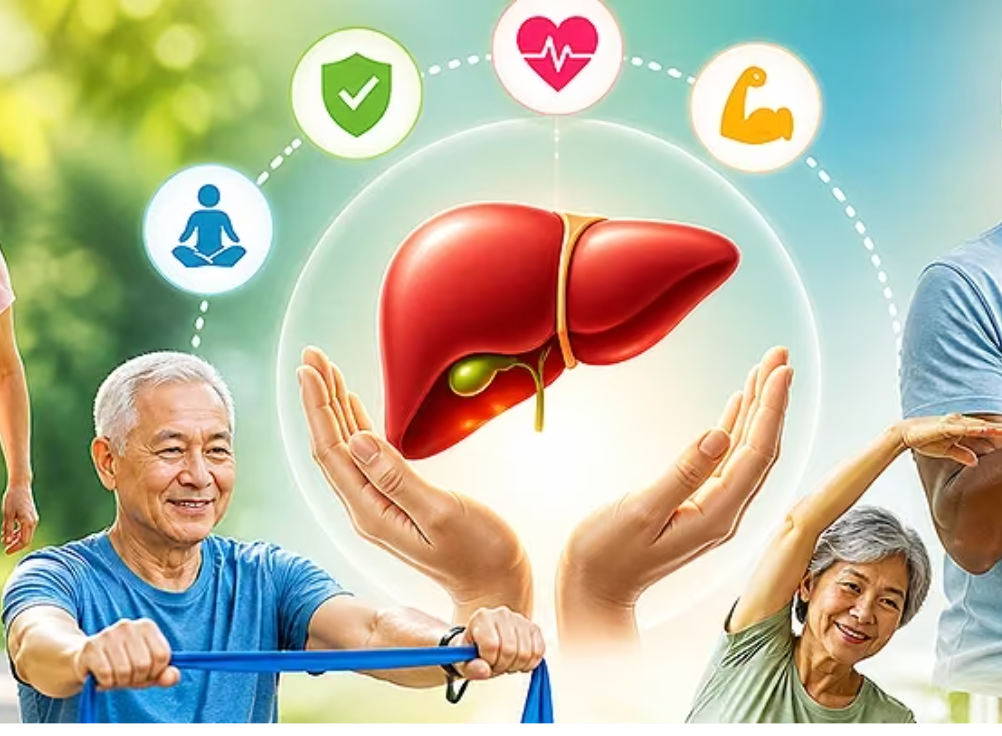
Regular physical activity supports metabolic health and can benefit people with fatty liver disease, even when substantial weight loss does not occur.
NIDDK states that physical activity alone can benefit NAFLD, while combining activity with weight loss can provide additional benefits for people who need to lose weight.
For general health, the CDC recommends that adults get at least 150 minutes of moderate-intensity physical activity each week, or 75 minutes of vigorous activity, plus muscle-strengthening activity on at least two days per week.
You can find the current recommendations in the CDC’s Adult Physical Activity Guidelines.
Activities can include:
- Brisk walking
- Cycling
- Swimming
- Dancing
- Jogging
- Hiking
- Resistance training
You do not need a specialized “liver workout.”
Start gradually if you are inactive
If you currently do little physical activity, begin with manageable amounts.
For example:
- Take a 10- to 15-minute walk.
- Repeat it several days a week.
- Gradually increase the duration.
- Add strength training as your fitness improves.
The CDC emphasizes that some physical activity is better than none.
5. Limit Alcohol
Drinking less alcohol reduces alcohol-related health risks, including risks to the liver.
The liver processes alcohol, and excessive alcohol consumption can cause liver damage. The CDC states that drinking less is better for health than drinking more.
For adults who choose to drink, current U.S. Dietary Guidelines define moderate drinking as up to two drinks per day for men and one drink per day for women on days when alcohol is consumed. However, moderation does not mean that alcohol is risk-free.
Some people should avoid alcohol completely, including people with certain liver diseases.
Read the CDC’s Alcohol Use and Your Health for current information about alcohol-related health risks.
What if you already have liver disease?
The recommendation may be different.
For people with alcohol-associated liver disease, NIDDK states that doctors recommend completely stopping alcohol.
People with diagnosed liver disease should discuss alcohol use with their healthcare professional rather than assuming that general population drinking limits apply to them.
6. Be Careful With Medications and Supplements
Do not assume that a product is safe for the liver simply because it is sold over the counter or labeled “natural.”
Some medicines, herbal products, and dietary supplements can cause liver injury.
This is particularly important if you take several products at the same time.
Before taking a new supplement, consider:
- Why am I taking it?
- Is there good evidence that I need it?
- Could it interact with my medications?
- Is the dose appropriate?
- Have I told my healthcare professional about it?
CDC specifically advises people with hepatitis B to discuss prescription medicines, over-the-counter medicines, vitamins, and herbal or nutritional supplements with a healthcare professional because some can potentially damage the liver.
Be cautious with “liver detox” products
A supplement marketed for “liver cleansing” is not automatically effective or safe.
There is no established need for a commercial detox program to make a healthy liver perform its normal functions.
A more evidence-based strategy is to reduce actual sources of liver injury and address metabolic and infectious risk factors.
7. Prevent Hepatitis B
Hepatitis B vaccination is one of the most effective ways to prevent hepatitis B, a viral infection that can cause chronic liver disease.
According to the CDC’s Hepatitis B Basics, hepatitis B vaccination is recommended for adults ages 19 through 59, while adults age 60 and older should receive vaccination if they have risk factors; adults 60 and older without known risk factors may also receive the vaccine if they want protection.
CDC recommends hepatitis B vaccination for:
- All infants
- Unvaccinated children and adolescents younger than 19
- Adults ages 19–59
- Adults age 60 and older with risk factors
- Adults age 60 and older without known risk factors who want protection may also receive the vaccine
CDC also recommends that adults be screened for hepatitis B at least once in their lifetime.
Hepatitis B can become chronic and may lead to serious liver problems, including cirrhosis and liver cancer.
8. Know About Hepatitis C Screening
Hepatitis C can cause long-term liver damage, and screening can identify infection before serious complications develop.
The U.S. Preventive Services Task Force recommends screening adults ages 18 to 79 for hepatitis C infection.
You can read the full recommendation on the USPSTF Hepatitis C Screening page.
Hepatitis C does not currently have a vaccine. However, effective antiviral treatments are available for people with chronic infection.
Because hepatitis C can remain unnoticed, feeling healthy does not necessarily mean that a person has never been infected.
If you have never been screened, ask a healthcare professional whether testing is appropriate for you.
9. Manage Blood Sugar and Cholesterol
Liver health is closely connected to metabolic health.
Conditions such as type 2 diabetes, insulin resistance, abnormal cholesterol or triglyceride levels, and excess body weight are associated with fatty liver disease.
Therefore, supporting liver health also means paying attention to:
- Blood glucose
- Blood pressure
- Cholesterol
- Triglycerides
- Body weight
- Physical activity
Healthy eating and regular exercise can benefit several of these areas at the same time.
If you have diabetes, high cholesterol, or high blood pressure, follow your healthcare professional’s treatment recommendations rather than relying on lifestyle changes alone.
10. Pay Attention to Liver Screening and Warning Signs
Some liver diseases can remain silent, so appropriate medical evaluation is important when risk factors or abnormal test results are present.
Depending on the situation, a healthcare professional may use:
- Medical history
- Physical examination
- Blood tests
- Imaging
- Additional liver-specific testing
For example, diagnosing fatty liver disease can involve medical history, physical examination, blood tests, and imaging.
There is no single test that can identify every type or stage of liver disease.
Possible warning signs
Symptoms that deserve medical attention can include:
- Yellowing of the skin or eyes
- Dark urine
- Persistent fatigue
- Unexplained weight loss
- Abdominal discomfort
- Swelling of the legs or abdomen
- Easy bruising or bleeding
- Persistent itching
- Confusion or difficulty thinking
Early cirrhosis may cause no symptoms, while more advanced disease can cause jaundice, abdominal swelling, leg swelling, bleeding problems, and confusion.
These symptoms do not automatically mean that you have liver disease. They can have other causes. However, they should not be ignored.
What Foods Are Good for Liver Health?
There is no single food that can cleanse or repair the liver. A balanced eating pattern is more important than any individual food.
Foods that can fit a liver-friendly eating pattern include:
- Leafy and other vegetables
- Whole fruits
- Whole grains
- Beans and lentils
- Fish
- Lean protein
- Nuts and seeds
- Foods rich in unsaturated fats
For people with fatty liver disease, NIDDK recommends healthy foods such as fruits, vegetables, whole grains, and lean protein while limiting saturated and trans fats and large amounts of simple sugars.
The NIDDK nutrition guidance for NAFLD recommends healthy foods such as fruits, vegetables, and whole grains while limiting saturated and trans fats and large amounts of simple sugars.
This means that liver health is better approached as an overall dietary pattern rather than a search for a single “superfood.”
Is Coffee Good for Liver Health?
Coffee has been studied extensively in relation to liver health, and research has found associations between coffee consumption and several liver outcomes.
However, coffee should not be presented as a treatment or cure for liver disease.
If you already drink coffee and tolerate it well, it can fit within a healthy dietary pattern. If you do not drink coffee, there is no need to start drinking it solely because of liver-health claims.
The more established priorities remain healthy weight management, physical activity, balanced nutrition, appropriate alcohol use, hepatitis prevention, and medical care when needed.
Can Lifestyle Changes Improve Fatty Liver?
Yes. Lifestyle changes can improve fatty liver disease, particularly when they address excess body weight, diet, and physical inactivity.
For people with overweight or obesity and fatty liver disease, NIDDK reports that losing at least 3% to 5% of body weight can reduce liver fat. Greater weight loss may be needed to improve inflammation and fibrosis.
Physical activity can also benefit fatty liver even without weight loss.
However, lifestyle changes should not be treated as a guaranteed cure. The severity and cause of liver disease differ between individuals.
Do You Need a Liver Detox?
No. A healthy liver does not require a commercial detox or cleanse to perform its normal functions.
The liver naturally performs complex metabolic and processing functions every day.
Instead of periodically using a detox product, focus on habits that address known risks:
- Limit excessive alcohol
- Maintain a healthy weight
- Exercise regularly
- Eat a balanced diet
- Avoid unnecessary supplements
- Prevent hepatitis
- Manage diabetes and other metabolic conditions
This approach is more consistent with established liver-health guidance than relying on a short-term cleanse.
Common Healthy Liver Mistakes and Misconceptions
“Only people who drink alcohol get liver disease.”
False. Alcohol is one cause of liver disease, but viral hepatitis, MASLD, autoimmune conditions, genetic disorders, medications, and other factors can also affect the liver.
“If I feel healthy, my liver must be healthy.”
Not necessarily. Some liver diseases can cause few or no symptoms during their early stages.
“Natural supplements cannot hurt the liver.”
False. Some herbal and dietary supplements can cause liver injury.
“I need to eliminate all fat from my diet.”
No. The goal is not to eliminate dietary fat. NIDDK recommends limiting saturated and trans fats and choosing healthier unsaturated fats when appropriate.
“A crash diet is the fastest way to fix fatty liver.”
Rapid weight loss is not the goal. NIDDK recommends gradual weight loss and warns that rapid weight loss and malnutrition can worsen liver disease.
“One liver-friendly food can reverse liver damage.”
There is no single food that can replace appropriate medical care or a healthy overall lifestyle.
A Simple Healthy Liver Routine
You do not need a complicated program to practice healthy liver habits.
Every day
- Choose mostly nutrient-dense foods.
- Include vegetables and whole foods in meals.
- Choose water or unsweetened drinks more often.
- Limit sugary drinks.
- Move regularly.
- Avoid unnecessary supplements.
- If you drink alcohol, consider reducing your intake.
Every week
- Aim for at least 150 minutes of moderate-intensity physical activity.
- Include muscle-strengthening activity on at least two days.
- Plan balanced meals rather than relying heavily on highly processed foods.
- Review your alcohol intake if you drink.
The CDC notes that physical activity can be divided into smaller periods throughout the week.
As part of routine healthcare
Ask about:
- Hepatitis B vaccination
- Hepatitis B screening
- Hepatitis C screening
- Blood glucose
- Cholesterol and triglycerides
- Liver tests when medically appropriate
- Medications and supplements
Not everyone needs the same tests or screening schedule. Your healthcare professional can determine what is appropriate based on your age, medical history, medications, and risk factors.
Safety and Important Considerations
General healthy liver habits are not a substitute for medical care.
If you have diagnosed liver disease, the appropriate diet, exercise program, alcohol recommendation, medications, and monitoring can depend on the specific condition.
For example, recommendations for someone with uncomplicated fatty liver disease can differ from recommendations for someone with cirrhosis or alcohol-associated liver disease.
People with known liver disease should discuss:
- Alcohol use
- Prescription medicines
- Over-the-counter medicines
- Vitamins
- Herbal supplements
- Dietary supplements
- Weight-loss plans
- Exercise intensity
with their healthcare professional.
If you have been diagnosed with cirrhosis, NIDDK recommends discussing healthy meal planning with a doctor or registered dietitian and avoiding alcohol.
If you have been physically inactive and want to begin vigorous exercise, the CDC recommends discussing appropriate activity with a healthcare professional when you have certain chronic conditions, disabilities, or other concerns.
Frequently Asked Questions About Healthy Liver Habits
What are the best habits for a healthy liver?
The most useful habits include maintaining a healthy weight, eating a balanced diet, exercising regularly, limiting alcohol, avoiding unnecessary supplements, preventing hepatitis, and managing metabolic conditions such as diabetes and abnormal cholesterol.
How can I improve liver health naturally?
Focus on sustainable lifestyle habits rather than detox products. Eat a balanced diet, exercise regularly, maintain a healthy weight, limit alcohol, and avoid unnecessary supplements. If you have risk factors for liver disease, appropriate medical screening is also important.
What foods are good for liver health?
Vegetables, whole fruits, whole grains, beans, fish, lean proteins, nuts, seeds, and foods containing unsaturated fats can fit into a balanced eating pattern. No single food is proven to cleanse the liver.
Is walking good for liver health?
Yes. Walking is a practical form of physical activity that can contribute to overall metabolic health. Physical activity can also benefit people with fatty liver disease, even without weight loss.
Can exercise help fatty liver?
Yes. Regular physical activity can benefit fatty liver disease. For people who need to lose weight, combining exercise with gradual weight loss may provide additional benefits.
Does alcohol damage the liver?
Excessive alcohol use can damage the liver. Drinking less reduces alcohol-related health risks, while people with certain liver diseases may need to avoid alcohol completely.
Are liver detox supplements safe?
Not necessarily. Some herbal remedies and dietary supplements can cause liver injury. If you have liver disease or take medications, discuss supplements with a healthcare professional before using them.
Can you have liver disease without symptoms?
Yes. Some liver diseases, including fatty liver disease and early cirrhosis, can cause few or no symptoms.
Should adults be screened for hepatitis?
CDC recommends that adults be screened for hepatitis B at least once in their lifetime. The USPSTF recommends hepatitis C screening for adults ages 18 to 79. Additional testing may be appropriate depending on individual risk factors.
Is there a vaccine for hepatitis?
Yes. Hepatitis B can be prevented with vaccination. CDC recommends hepatitis B vaccination for adults ages 19 through 59 and for certain older adults, with vaccination also available to adults 60 and older who want protection.
Conclusion
Healthy liver habits are based on consistent lifestyle choices rather than quick detoxes or a single “liver-friendly” food.
The most useful steps are to maintain a healthy weight, eat a balanced diet, exercise regularly, limit alcohol, prevent hepatitis, use medications and supplements carefully, and manage metabolic health.
For people with fatty liver disease, gradual weight loss and physical activity can reduce liver fat, while greater weight loss may improve liver inflammation and fibrosis.
At the same time, lifestyle habits cannot address every cause of liver disease. Viral hepatitis, autoimmune diseases, genetic conditions, medications, and other factors may require specific medical evaluation and treatment.
If you have risk factors, abnormal liver tests, or symptoms such as jaundice, dark urine, abdominal swelling, or unexplained weight loss, seek appropriate medical evaluation rather than relying only on lifestyle changes.

🇰🇷 Premium Korean Ginseng Online Shop
We’re a Korea-based online shop dedicated to authentic, premium Korean ginseng
Boost your health naturally with premium Korean ginseng!
🇰🇷 All orders are shipped directly from Korea with free worldwide shipping.
🎁 20% OFF Your Order — Use Code: vip20 at Checkout— Limited to the First 3 Orders Each Day!