Your liver does not need a special “detox” program to stay healthy. For most people, the most useful healthy liver habits are maintaining a healthy weight, eating a balanced diet built around minimally processed foods, being physically active, limiting alcohol, preventing viral hepatitis, and using medicines and supplements safely. These habits can lower important risk factors for liver disease, but they cannot prevent every liver condition because infections, autoimmune diseases, inherited disorders, medications, and other factors can also affect the liver. (NIDDK)
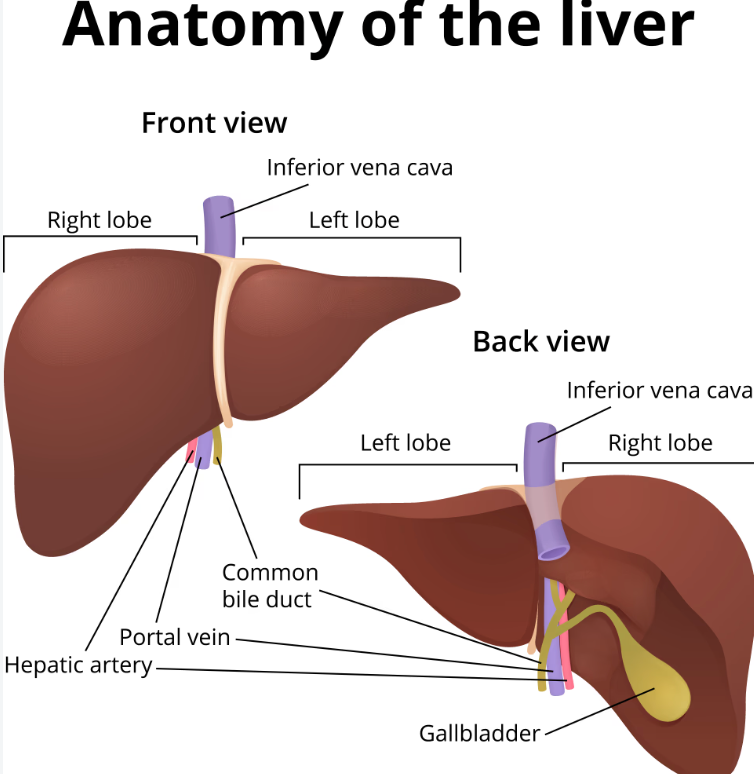
The liver is closely connected to metabolism and digestion. It processes nutrients absorbed from food, stores and releases nutrients when needed, and makes bile that helps digest fats. Because liver health is influenced by weight, blood sugar, diet, alcohol, infections, and medications, there is no single food or supplement that can replace healthy everyday habits. (NIDDK)
What Are Healthy Liver Habits?
Healthy liver habits are everyday behaviors that reduce avoidable stress on the liver and help manage factors associated with chronic liver disease. They include eating a nutrient-dense diet, maintaining a healthy weight, exercising regularly, limiting or avoiding alcohol, preventing hepatitis, and being careful with medicines and dietary supplements.
For someone without diagnosed liver disease, the goal is not to “clean” the liver. The goal is to support overall metabolic health and reduce preventable sources of liver injury.
Why Does Liver Health Matter?
The liver performs essential metabolic and digestive functions, but liver disease can develop gradually and may cause few or no symptoms in its early stages. Cirrhosis, for example, may remain unnoticed until the liver is substantially damaged. (NIDDK)
Several different conditions can damage the liver. Major causes of cirrhosis include alcohol-associated liver disease, metabolic dysfunction-associated steatotic liver disease, chronic hepatitis B, and chronic hepatitis C. Other liver diseases include autoimmune and inherited conditions, as well as drug-induced liver injury. (NIDDK)
That means a healthy liver strategy should be broader than simply avoiding one food or taking one supplement.
1. Maintain a Healthy Weight and Pay Attention to Metabolic Health
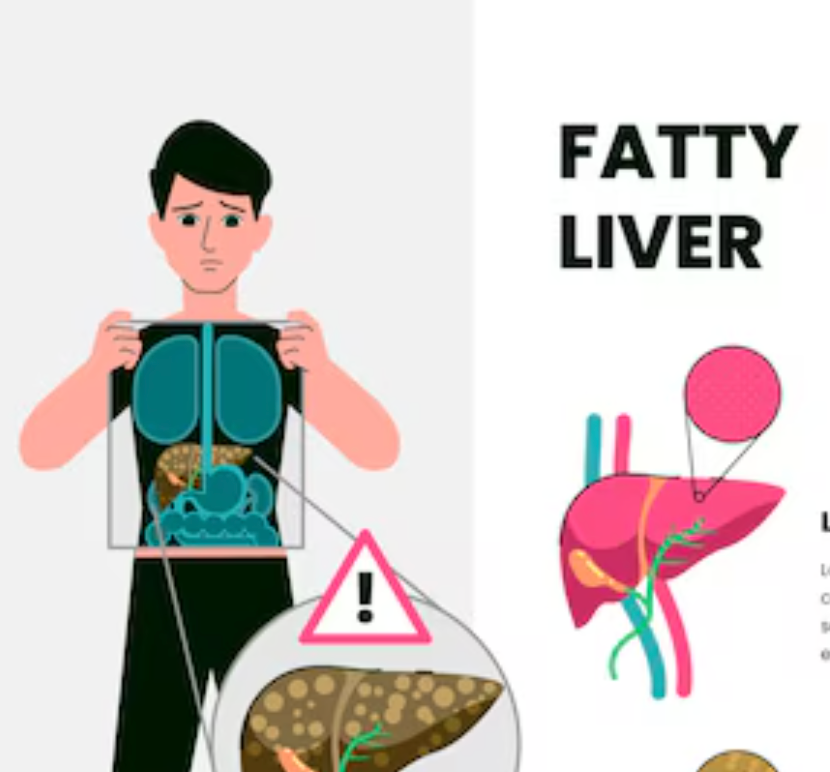
For people who have overweight or obesity, gradual weight loss can reduce liver fat and, in people with metabolic dysfunction-associated steatotic liver disease, can improve liver inflammation and fibrosis. NIDDK reports that losing at least 3% to 5% of body weight can reduce liver fat, while larger weight loss may be needed to improve inflammation and fibrosis. (NIDDK)
This condition was traditionally called nonalcoholic fatty liver disease, or NAFLD. The newer terminology is metabolic dysfunction-associated steatotic liver disease, or MASLD.
What makes weight management important for the liver?
Excess body fat, insulin resistance, type 2 diabetes, and abnormal blood lipids can contribute to metabolic liver disease. Improving overall metabolic health can therefore support the liver as well as the heart and blood vessels. (NIDDK)
A practical approach is usually more sustainable than an extreme diet. Focus on portion awareness, regular physical activity, and food choices that you can maintain over time.
Rapid weight loss is not a liver-health shortcut. NIDDK notes that rapid weight loss and malnutrition can actually make liver disease worse. (NIDDK)
2. Build Your Diet Around Whole, Nutrient-Dense Foods
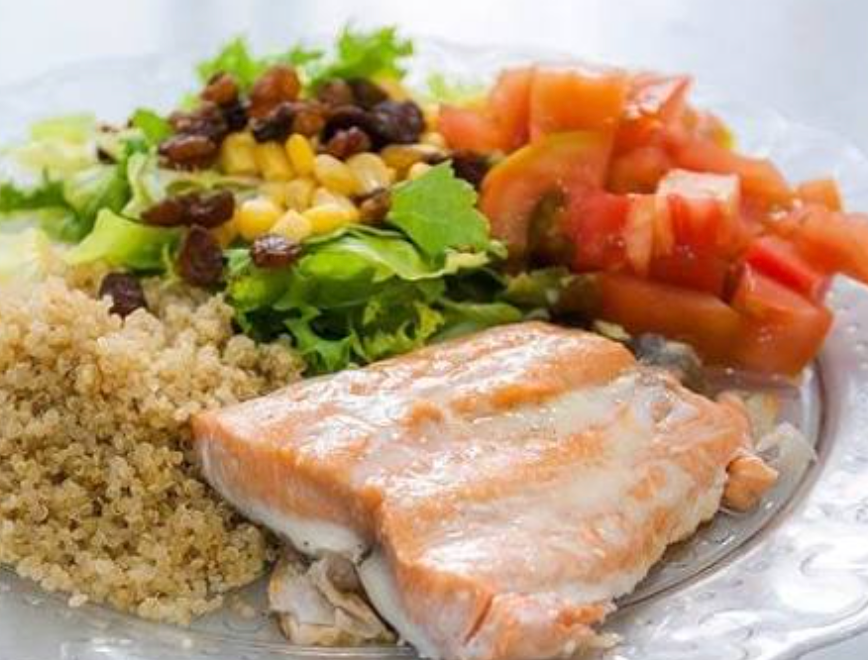
A liver-friendly eating pattern does not require a special menu of “superfoods.” A better approach is to make minimally processed, nutrient-dense foods the foundation of your meals.
The current U.S. Dietary Guidelines for Americans, 2025–2030, emphasize whole, nutritious foods and recommend reducing highly processed foods, added sugars, and refined carbohydrates. (Farmers National Association)
Useful everyday choices include vegetables, whole fruits, beans, lentils, nuts, seeds, whole grains, seafood, and other sources of protein that fit your overall dietary pattern. Healthy fats, including those found in nuts, seeds, avocados, and seafood, can also fit into a balanced diet. (NIDDK)
For people with MASLD, NIDDK specifically recommends attention to portion sizes, replacing saturated and trans fats with unsaturated fats, choosing lower-glycemic foods such as many vegetables and whole grains, and limiting foods and drinks high in simple sugars, particularly sugar-sweetened beverages. (NIDDK)
Are sugary drinks bad for liver health?
Large amounts of added sugars, particularly from sugar-sweetened beverages, can make it easier to consume excess calories and may contribute to metabolic problems associated with fatty liver disease. NIDDK specifically advises limiting drinks and foods containing large amounts of simple sugars in people with fatty liver disease. (NIDDK)
This does not mean you need to eliminate every carbohydrate. The bigger picture is the overall dietary pattern, portion sizes, calorie balance, and metabolic health.
3. Exercise Regularly, Even If You Do Not Lose Weight
Physical activity is one of the most practical healthy liver habits because it can improve metabolic health and can benefit the liver even when the scale does not change.
For general adult health, U.S. guidance recommends at least 150 minutes of moderate-intensity aerobic activity per week plus muscle-strengthening activity on at least two days per week. (Ohio Department of Health)
Brisk walking, cycling, swimming, dancing, and similar activities can count as moderate-intensity exercise. Strength training can include resistance bands, free weights, machines, or body-weight exercises.
For people with MASLD, exercise is especially relevant because regular physical activity can help reduce liver fat and improve metabolic risk factors. NIDDK notes that physical activity alone can be beneficial even without weight loss. (NIDDK)
The practical lesson is simple. You do not have to wait until you can follow a perfect workout program. A regular walk is more useful than an ambitious plan that lasts one week.
4. Drink Less Alcohol, or Avoid It
Alcohol can directly injure the liver, especially when consumed heavily or over time. The CDC states that drinking less is better for health than drinking more and that excessive alcohol use can harm the liver and other organs. (CDC)
The current U.S. dietary guidance has also shifted toward emphasizing that consuming less alcohol is better for health. (Farmers National Association)
The safest choice is especially important for people who already have liver disease. CDC guidance notes that some people should not drink at all, including people with certain liver diseases. (CDC)
If a person has alcohol-associated liver disease or cirrhosis, complete abstinence may be medically recommended because continued alcohol use can worsen liver damage. (NIDDK)
Is moderate drinking good for the liver?
This is an area where online health advice can become misleading.
Some observational studies have found associations between low levels of alcohol consumption and certain health outcomes, but this does not mean alcohol should be started for health benefits. Current CDC guidance explicitly says that people who do not drink should not start drinking for health reasons. (CDC)
For liver health, reducing alcohol exposure is a more straightforward strategy than trying to identify a supposedly “healthy” amount.
5. Consider Coffee as Part of a Healthy Diet, Not a Liver Cure
Coffee is one of the more interesting foods studied in relation to liver health.
Observational research has repeatedly found associations between coffee consumption and some favorable liver outcomes. A systematic review and meta-analysis found that coffee consumption was associated with a lower risk of significant liver fibrosis, although researchers emphasized that prospective trials are needed to establish the appropriate amount and clarify causation. (PubMed)
A newer AASLD educational resource published in 2026 also describes coffee consumption as being associated with less advanced liver disease. (LiverLearning)
However, this should not be interpreted as proof that coffee prevents liver disease in everyone.
Recent randomized-trial evidence has been less convincing for changes in liver enzymes. A 2025 systematic review and meta-analysis of randomized controlled trials found insufficient evidence that coffee or coffee extract significantly improves ALT or AST levels in people with fatty liver disease. (PubMed Central (PMC))
So the practical takeaway is this.
If you already enjoy coffee and tolerate it well, unsweetened or lightly sweetened coffee can fit into a healthy dietary pattern. But coffee is not a substitute for weight management, exercise, reducing alcohol, or medical care.
6. Prevent Hepatitis B and Hepatitis C
Viral hepatitis can cause long-term liver inflammation and damage, and prevention and testing are important parts of liver health.
CDC recommends hepatitis B vaccination for all adults ages 19 through 59 who have not previously been vaccinated, as well as adults age 60 and older who have risk factors or who want protection. (CDC)
CDC also recommends that all adults be screened for hepatitis B at least once during their lifetime. (CDC)
For hepatitis C, CDC recommends screening all adults age 18 and older at least once, with more frequent testing for certain people who remain at increased risk. (CDC)
This matters because hepatitis C often causes no obvious symptoms. Testing may identify an infection before serious liver complications become apparent. (CDC)
Is there a vaccine for hepatitis C?
No. There is currently no vaccine that prevents hepatitis C. Prevention focuses on avoiding blood exposure that can transmit the virus and on testing and treating infections promptly. (CDC)
7. Use Medicines Carefully
Some medicines can cause liver injury, and taking too much of a medication can be dangerous even when the medication is available without a prescription.
Acetaminophen, for example, can cause severe liver damage when too much is taken. The FDA states that adults and children age 12 and older should not take more than 4,000 milligrams of acetaminophen in 24 hours. (U.S. Food and Drug Administration)
A common problem is accidental duplication. Someone may take a pain reliever containing acetaminophen and then take a cold or flu product that contains the same ingredient.
Read the active ingredients on every medication rather than assuming two different brand names contain different medicines.
People with liver disease, people who regularly drink alcohol, and people taking multiple medications should discuss medication safety with a healthcare professional rather than relying on a general internet guideline.
8. Be Skeptical of “Liver Detox” Products
One of the most persistent liver-health misconceptions is that a person needs to periodically flush or cleanse the liver.
There is not strong evidence that commercial detox diets or cleansing programs remove toxins from the body or provide lasting health benefits. NCCIH reports that the available research on detox programs is limited and generally low quality, while some detox programs can be unsafe. (NCCIH)
The supplement market creates another problem.
Dietary supplements and herbal products can sometimes cause liver injury, and NIDDK’s LiverTox database documents liver injury linked to prescription drugs, over-the-counter medicines, herbal products, and dietary supplements. (NIDDK)
A recent analysis of popular online “liver cleanse” supplements found that evidence supporting many of the products’ marketed liver-health claims was limited or inconclusive. (PubMed)
The practical rule is simple.
Do not assume that “natural” means liver-safe.
9. Manage Diabetes, Blood Pressure, and Cholesterol
Liver health is not isolated from the rest of the body.
Metabolic conditions such as type 2 diabetes, obesity, and abnormal blood lipids are closely connected with MASLD. Managing these conditions can therefore be an important part of protecting liver health. (CDC)
This is one reason why healthy liver habits often look surprisingly familiar.
Eating nutritious food, being physically active, maintaining a healthy weight, and managing metabolic risk factors can support multiple organ systems at the same time.
People with diabetes, high blood pressure, or abnormal cholesterol levels should follow a care plan appropriate for their individual situation rather than trying to manage the condition through liver supplements or “cleanse” products.
10. Know When Liver Symptoms Need Medical Attention
A healthy lifestyle is useful, but it should not replace medical evaluation when symptoms or abnormal test results appear.
Liver disease can sometimes progress without obvious symptoms. When symptoms do occur, they may include fatigue, loss of appetite, unexplained weight loss, itching, abdominal discomfort, swelling of the legs or abdomen, dark urine, confusion, or jaundice. (NIDDK)
Jaundice, which causes the skin or whites of the eyes to turn yellow, deserves medical attention because it can have several causes, including liver and bile-duct problems.
Blood tests, imaging, and medical history may all be used when doctors evaluate possible liver disease. No single lifestyle checklist can determine whether a person’s liver is healthy. (NIDDK)
What Foods Are Good for Liver Health?
There is no single food that “cleans” the liver or guarantees protection from liver disease.
A more useful approach is to build meals around vegetables, fruits, whole grains, beans, nuts, seeds, seafood, and other nutrient-dense foods while reducing highly processed foods and large amounts of added sugars. This general pattern is consistent with current U.S. dietary guidance and with NIDDK recommendations for reducing metabolic risk. (Ohio Department of Health)
Coffee may also fit into a healthy diet for people who already enjoy it, given the observational evidence linking coffee consumption with some favorable liver outcomes. (LiverLearning)
The goal is the overall dietary pattern, not a “superfood.”
What Should You Avoid for Better Liver Health?
Several habits are more important to change than searching for a special liver food.
Avoid excessive alcohol use, unnecessary supplement use, extreme detox diets, and excessive doses of medications. Limiting highly processed foods and sugar-sweetened beverages can also help support metabolic health. (CDC)
Another mistake is assuming that a person can “cancel out” unhealthy habits by taking a supplement. There is no good evidence that a liver supplement can compensate for heavy drinking, poor metabolic health, or unsafe medication use.
Common Healthy Liver Mistakes and Misconceptions
“My liver is healthy because I feel fine.”
Not necessarily. Some liver diseases can have few or no symptoms in their early stages. (NIDDK)
“I need a liver cleanse every few months.”
There is no compelling evidence that commercial detox programs remove toxins or provide lasting liver-health benefits, and some can be unsafe. (NCCIH)
“Natural supplements cannot hurt the liver.”
False. Some herbal products and dietary supplements can cause liver injury. (NIDDK)
“A healthy diet means eating no carbohydrates.”
Not necessarily. Healthy dietary patterns can include whole grains, fruits, beans, and other carbohydrate-containing foods. The quality, amount, and overall dietary pattern matter. (NIDDK)
“Losing weight as fast as possible is best.”
Not for liver health. Rapid weight loss and malnutrition can worsen liver disease. (NIDDK)
“Coffee is a treatment for fatty liver.”
The evidence is more limited than social-media claims often suggest. Observational studies show potentially favorable associations, but randomized evidence has not established coffee as a treatment for fatty liver disease. (PubMed)
A Simple Healthy Liver Routine
A realistic routine does not have to be complicated.
Start with meals centered on whole or minimally processed foods.
Choose water or unsweetened beverages more often than sugary drinks.
Get regular aerobic activity and add strength training during the week.
Keep alcohol intake as low as practical, and avoid it completely when medically advised.
Review your medications and supplements instead of automatically adding new products.
Make sure you are appropriately vaccinated against hepatitis B and discuss hepatitis screening with your healthcare professional.
If you have overweight or obesity, focus on gradual, sustainable changes rather than crash diets. (NIDDK)
Frequently Asked Questions About Healthy Liver Habits
What is the best habit for liver health?
There is no single best habit for everyone. For people at risk of metabolic liver disease, maintaining a healthy weight, improving diet quality, and staying physically active are especially important. Limiting alcohol, preventing viral hepatitis, and using medicines and supplements safely are also important. (NIDDK)
Can the liver repair itself?
The liver has a notable capacity to recover from some forms of injury, but that does not mean every type of damage is fully reversible. Advanced scarring, or cirrhosis, represents permanent structural damage, although treating the underlying cause can still be important and beneficial. (NIDDK)
Can you improve liver health naturally?
Many important liver-health strategies are lifestyle-based, including healthy eating, physical activity, maintaining a healthy weight, reducing alcohol, and preventing viral hepatitis. However, “natural” does not automatically mean safe, particularly when referring to herbal or dietary supplements. (NIDDK)
Is coffee good for your liver?
Research suggests that coffee consumption is associated with some favorable liver outcomes, particularly lower risk of significant fibrosis in observational studies. However, coffee has not been established as a treatment or guaranteed preventive measure for liver disease. (PubMed)
Are sugary drinks bad for your liver?
Frequent consumption of sugary drinks can contribute excess calories and metabolic problems associated with fatty liver disease. NIDDK recommends limiting foods and drinks containing large amounts of simple sugars, including sweetened soft drinks and similar beverages. (NIDDK)
Does exercise help fatty liver?
Yes. Regular physical activity can help improve
fatty liver and metabolic health, and NIDDK notes that exercise can be beneficial even without weight loss. (NIDDK)
Is alcohol-free living better for liver health?
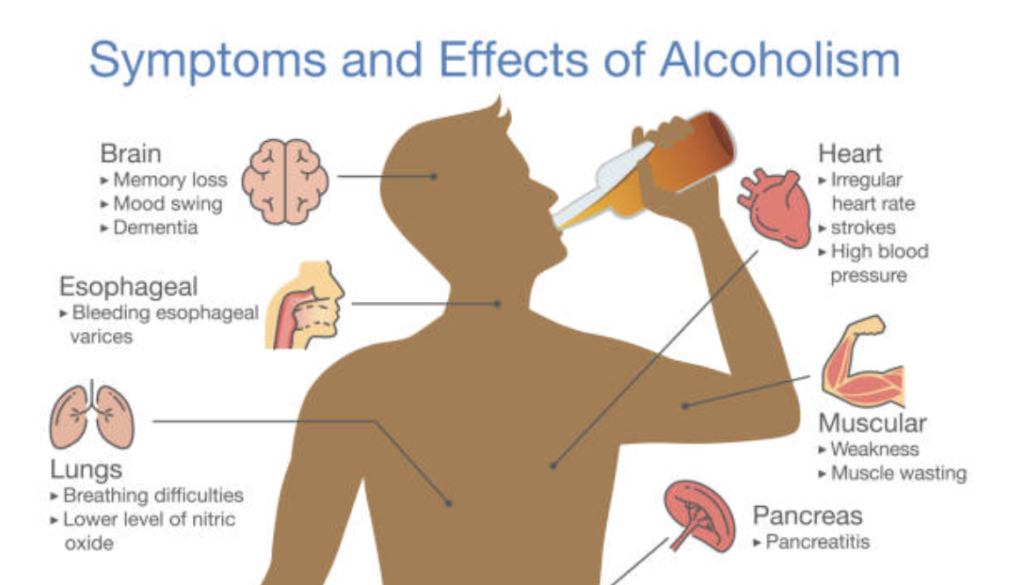
Avoiding alcohol eliminates alcohol exposure as a source of liver injury. For people with certain liver diseases, complete abstinence may be recommended. For the general population, CDC states that drinking less is better for health than drinking more. (CDC)
Do liver detox supplements work?
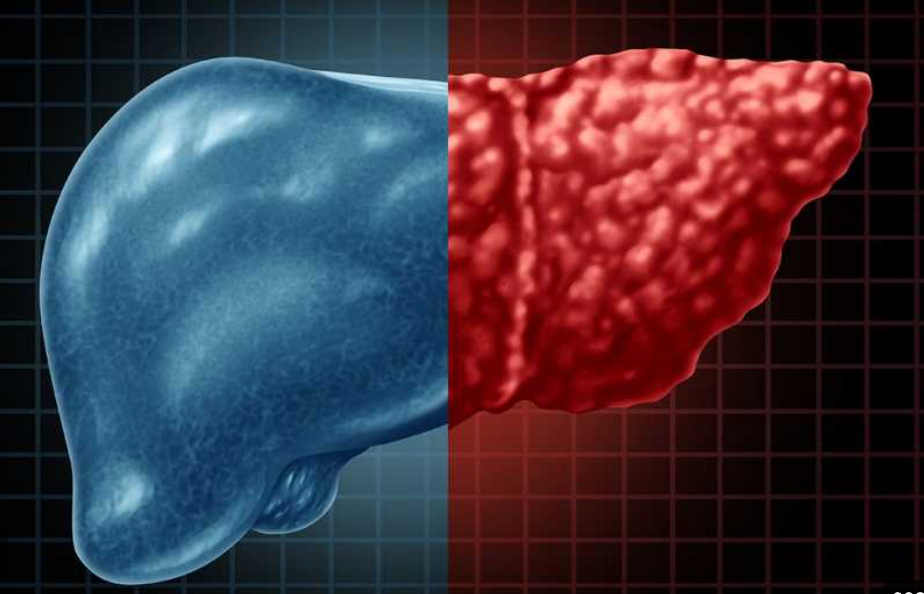
There is not strong evidence that commercial liver detox products provide the broad detoxification benefits often claimed in advertising. Some supplements can also cause liver injury. (NCCIH)
How often should you get your liver checked?
There is no single testing schedule that applies to every healthy adult. Testing depends on age, risk factors, symptoms, medications, alcohol use, and medical history. Hepatitis C screening is recommended for all adults at least once, and CDC also recommends at least one lifetime hepatitis B screening for adults. (CDC)
Can you have liver disease without symptoms?
Yes. Some liver diseases may have few or no symptoms early on. Cirrhosis, in particular, may remain unnoticed until significant liver damage has occurred. (NIDDK)
What symptoms can indicate liver problems?
Possible symptoms include unusual fatigue, poor appetite, unexplained weight loss, itching, abdominal discomfort, swelling, dark urine, jaundice, and confusion. These symptoms can have causes other than liver disease, so they require appropriate medical evaluation rather than self-diagnosis. (NIDDK)
Conclusion
Healthy liver habits are mostly about consistent, ordinary health behaviors rather than dramatic detox programs.
A balanced diet, regular physical activity, healthy weight management, lower alcohol exposure, hepatitis prevention, and careful use of medicines and supplements can all contribute to better liver health.
The most important point is that liver health cannot be reduced to one food, drink, powder, or supplement. The liver is affected by metabolic health, alcohol, infections, medications, inherited conditions, and other diseases. When symptoms or abnormal test results occur, evidence-based medical evaluation matters more than a cleanse or internet trend. (NIDDK)
Authoritative External Resources.
NIDDK — Treatment for MASLD / NAFLD
NIDDK — Eating, Diet, and Nutrition for MASLD / NAFLD
CDC — Alcohol Use and Your Health

🇰🇷 Premium Korean Ginseng Online Shop
We’re a Korea-based online shop dedicated to authentic, premium Korean ginseng
Boost your health naturally with premium Korean ginseng!
🇰🇷 All orders are shipped directly from Korea with free worldwide shipping.
🎁 20% OFF Your Order — Use Code: vip20 at Checkout— Limited to the First 3 Orders Each Day!