The foods that best support gut health are not necessarily expensive “superfoods.” A consistent diet rich in fiber-containing plant foods, including vegetables, fruits, beans, legumes, whole grains, nuts, and seeds, provides the types of carbohydrates that gut microbes can use. Fermented foods such as yogurt with live cultures, kefir, kimchi, sauerkraut, and tempeh can also fit into a gut-friendly eating pattern. The strongest practical approach is dietary variety rather than relying on one food or probiotic supplement. (Ohio Department of Health)
The gut microbiome is the community of microorganisms living in the digestive tract. Diet is one of the factors that influences this community, and fiber-rich foods can be fermented by gut microbes to produce compounds such as short-chain fatty acids. Research suggests that diet can affect the composition and function of the microbiome, but scientists are still learning which changes are beneficial for different people and health conditions. (NIDDK)
That distinction matters because “good for gut health” does not mean that a food will treat a digestive disorder. Food can support normal digestion and provide nutrients, but persistent abdominal pain, unexplained weight loss, blood in the stool, ongoing diarrhea, or other concerning symptoms deserve medical evaluation.
What Does Gut Health Mean?
Gut health generally refers to how well the gastrointestinal tract and its resident microorganisms function together. It includes normal digestion, nutrient absorption, bowel function, the intestinal barrier, and interactions between gut microbes and the immune system.
The gut microbiome is not made up of one type of “good bacteria.” It is a complex ecosystem containing many microorganisms, including bacteria, fungi, viruses, and other microbes. Different people can have different microbiomes, and there is no single microbiome profile that has been established as ideal for every healthy person. (The Nutrition Source)
For that reason, a food does not need to “increase good bacteria” to be considered useful. A nutritious diet that supplies enough fiber, vitamins, minerals, and other compounds can support digestive health even when its exact effect on individual bacterial species is difficult to predict.
Why Do Foods Matter for Gut Health?

Food affects the digestive system in several ways. Some nutrients are digested and absorbed in the small intestine, while dietary fibers and other carbohydrates can reach the large intestine, where gut microbes can ferment some of them. This process produces metabolites, including short-chain fatty acids, that may influence the intestinal environment and other aspects of health. (The Nutrition Source)
Diet also affects bowel regularity. Fiber helps add bulk to stool, and some types of fiber hold water or form gels that can change how quickly food moves through the digestive tract. NIDDK recommends that adults generally get about 22 to 34 grams of fiber per day, depending on age and sex. (NIDDK)
However, more is not always better for everyone. A sudden increase in fiber can cause gas, bloating, abdominal discomfort, constipation, or diarrhea. Increasing fiber gradually and drinking enough fluids can make the transition easier. (CDC)
1. Beans and Legumes
Beans and legumes are among the most useful foods for increasing dietary fiber. Options include black beans, chickpeas, lentils, kidney beans, pinto beans, peas, and soybeans.
They provide different types of carbohydrates and fiber that can reach the colon and interact with gut microbes. They also provide plant protein and other nutrients, making them useful as part of an overall healthy eating pattern. (MyPlate)
A simple way to use them is to add half a cup of beans or lentils to a salad, soup, grain bowl, or chili.
Can beans be bad for your gut?
Beans can cause gas and bloating in some people, particularly when someone suddenly increases their intake.
That does not mean beans are unhealthy. It often means the digestive system needs time to adapt to a larger amount of fiber and fermentable carbohydrates. Starting with smaller portions and increasing gradually may improve tolerance. People with digestive disorders may need individualized dietary advice. (NIDDK)
2. Oats and Other Whole Grains
Oats, barley, brown rice, quinoa, and other whole grains can contribute fiber and other nutrients to the diet.
Whole grains are particularly useful because they can replace some refined grain products while increasing fiber intake. The current Dietary Guidelines for Americans emphasize whole grains as part of a nutrient-dense eating pattern. (Ohio Department of Health)
Oatmeal is an easy example. You can combine oats with berries, nuts, seeds, or plain yogurt for a meal that contains several different sources of fiber and other nutrients.
The point is not that oats are uniquely capable of improving the microbiome. The advantage is that they provide fiber within a practical, repeatable food.
3. Vegetables
Vegetables provide dietary fiber, vitamins, minerals, and a wide range of plant compounds.
Good choices include broccoli, carrots, cabbage, Brussels sprouts, spinach, kale, bell peppers, asparagus, onions, and other vegetables that you enjoy and tolerate.
Variety is useful because different plants contain different types of fibers and other compounds. Rather than eating the same vegetable every day, rotate several types across the week. The current U.S. Dietary Guidelines recommend eating a variety of vegetables and fruits throughout the day. (Real Food)
For someone who struggles to increase vegetable intake, convenience matters. Frozen vegetables can be just as practical as fresh ones, and canned vegetables can also be useful depending on the product and preparation. (MyPlate)
4. Fruits and Berries
Whole fruits can be an excellent source of fiber and other nutrients.
Berries, apples, pears, oranges, bananas, and other fruits can contribute to daily fiber intake. Eating whole fruit rather than relying primarily on juice also preserves the fruit’s naturally occurring fiber. Current U.S. dietary guidance specifically encourages whole fruits. (Real Food)
Some fruits also contain fermentable carbohydrates that can be used by gut microbes. However, an individual person’s response can vary.
For someone with irritable bowel syndrome, for example, certain fruits can trigger symptoms because of their FODMAP content. That does not make the fruit universally unhealthy. It means digestive tolerance can differ between individuals. (NIDDK)
5. Nuts and Seeds
Nuts and seeds provide fiber, unsaturated fats, protein, minerals, and other nutrients.
Examples include almonds, walnuts, pistachios, chia seeds, flaxseeds, pumpkin seeds, and sunflower seeds.
They are particularly useful for adding nutrient density without requiring a complicated recipe. A small amount can be added to oatmeal, yogurt, salads, or smoothies.
As with other high-fiber foods, portion size matters. Large amounts can be difficult to tolerate for some people, especially when introduced suddenly.
6. Plain Yogurt With Live Cultures
Yogurt can be a convenient fermented food, and some yogurts contain live microorganisms.
When choosing yogurt, check the label for language indicating live or active cultures. Plain yogurt can also make it easier to control added sugar compared with heavily sweetened varieties.
However, yogurt should not automatically be described as a treatment for gut problems. Different fermented foods contain different microorganisms, and the effects of eating them can vary. Research on specific health outcomes is still developing. (The Nutrition Source)
For people who tolerate dairy, yogurt can be a practical combination of protein, calcium, and live cultures.
For people with lactose intolerance, yogurt may sometimes be easier to tolerate than other dairy products, but individual responses differ. (NIDDK)
7. Kefir
Kefir is a fermented milk drink containing a mixture of microorganisms.
It is often discussed alongside yogurt because both can provide live microorganisms, but their microbial composition is not identical.
Kefir can be incorporated into breakfast or used in smoothies. People who do not tolerate dairy can choose non-dairy fermented alternatives, but the presence and type of live cultures can vary substantially between products.
The important point is that fermented foods should be viewed as one part of a varied diet rather than a replacement for fiber-rich plant foods. Harvard’s Nutrition Source similarly emphasizes long-term intake of varied fiber-rich foods as a foundation for supporting the gut microbiome. (The Nutrition Source)
8. Kimchi, Sauerkraut, and Other Fermented Vegetables
Kimchi, sauerkraut, and other fermented vegetables can add variety to meals while providing vegetables and, depending on how they are produced and processed, live microorganisms.
One important detail is often overlooked.
Not every fermented food still contains live microorganisms when you eat it. Heating or pasteurization after fermentation can destroy many of the microorganisms originally present. (The Nutrition Source)
Fermented vegetables can also contain substantial amounts of sodium, depending on the recipe and product. Therefore, they should complement the diet rather than become the only vegetable source.
9. Tempeh and Other Fermented Soy Foods
Tempeh is a fermented soybean food that provides plant protein and can be included in a balanced diet.
Other fermented foods, such as miso, can also add flavor and variety. Their nutritional profiles differ, so they should not all be treated as interchangeable sources of probiotics.
A useful principle is to choose foods based on their overall nutritional value first and their fermentation status second.
10. Foods Containing Prebiotic Fibers
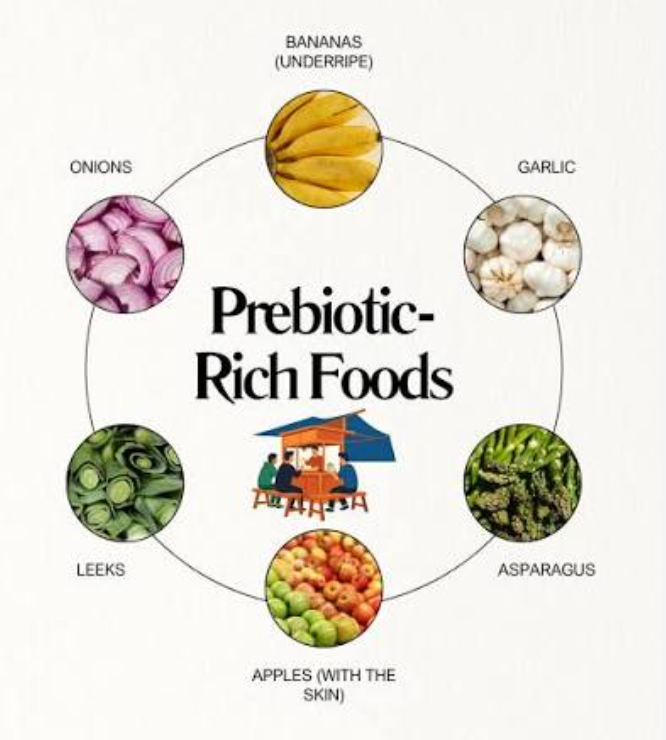
Some plant foods contain fibers and other nondigestible carbohydrates that gut microbes can use.
Examples include onions, garlic, asparagus, bananas, legumes, oats, barley, and other plant foods. Certain fibers are described as prebiotics because they can be selectively utilized by microorganisms associated with health. (The Nutrition Source)
The word “prebiotic” is sometimes used too loosely online. Not every type of fiber is technically a prebiotic, and not every fiber behaves in exactly the same way.
For everyday eating, you generally do not need to calculate individual prebiotic compounds. Eating a variety of plant foods is a much simpler strategy.
11. A Variety of Plant Foods May Matter More Than One “Superfood”
One of the most useful ideas in gut nutrition is diversity.
A diet built around many types of vegetables, fruits, legumes, whole grains, nuts, and seeds exposes the digestive system and its microbial community to a wider range of fibers and plant compounds.
A small controlled feeding study reported that a diet designed to provide more fiber and other microbiome-supporting foods changed microbial composition and function over several weeks. (NIDDK)
This does not prove that eating a specific number of plant foods will produce a particular microbiome. It does suggest that the overall diet pattern matters more than searching for a single miracle ingredient.
12. Fermented Foods May Complement a High-Fiber Diet
Fermented foods have received considerable attention because of their potential effects on the microbiome.
In a small randomized study of healthy adults, participants assigned to a high-fermented-food diet experienced increased microbiota diversity and reductions in several inflammatory markers. The trial was relatively small, so it should not be interpreted as proof that fermented foods prevent disease or work the same way for everyone. (PubMed)
The practical lesson is more modest.
Adding reasonable amounts of fermented foods such as yogurt, kefir, kimchi, sauerkraut, or tempeh can be a useful way to increase food variety.
It should not replace the broader foundation of a fiber-rich diet.
Are Probiotic Supplements Necessary for Gut Health?
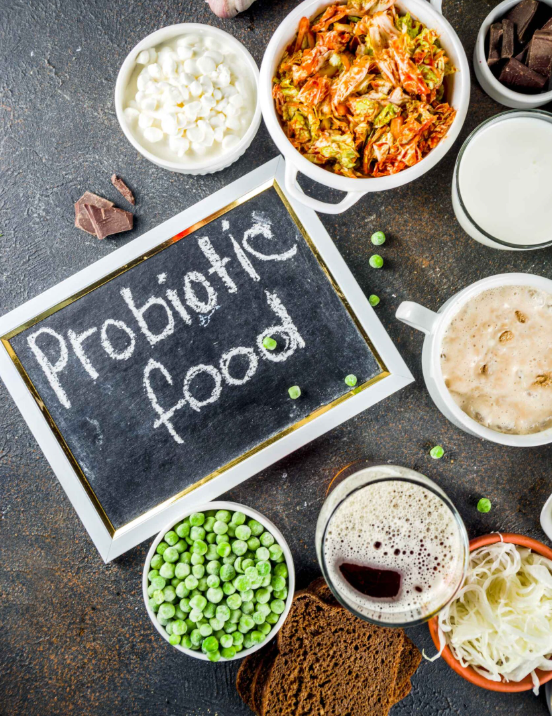
For most healthy people, there is no strong evidence that everyone needs a probiotic supplement to maintain a healthy gut.
Probiotics are specific live microorganisms intended to provide a health benefit when consumed in adequate amounts. Different strains can have different effects, so “probiotic” is not a single treatment or ingredient. (NCCIH)
A 2025 meta-analysis of randomized controlled trials in healthy people found no statistically significant improvement in several measures of gut microbiota diversity from probiotic supplementation compared with controls. The researchers concluded that further work is needed to determine whether particular strains or formulations benefit specific groups. (PubMed)
This does not mean probiotics are useless.
Some specific probiotic strains or combinations have been studied for particular digestive conditions. The American Gastroenterological Association, for example, makes strain- and condition-specific recommendations rather than recommending probiotics generally for every gastrointestinal problem. (Gastroenterology.org)
The distinction is important: evidence for a particular strain in a particular situation should not automatically be applied to every probiotic product.
What Foods Should You Limit for Better Gut Health?
There is no universal list of foods that every person with a healthy digestive system must eliminate.
However, a diet dominated by highly processed foods, added sugars, and low-fiber foods can make it harder to build an overall nutrient-dense dietary pattern. Current U.S. dietary guidance emphasizes vegetables, fruits, whole grains, nutrient-dense proteins, and other whole or minimally processed foods while reducing highly processed foods and added sugars. (Ohio Department of Health)
For gut health, think about what you add as much as what you remove.
Replacing a low-fiber breakfast with oatmeal and berries may be more useful than simply declaring one packaged food “bad.”
Replacing part of a meat-centered meal with beans, vegetables, or whole grains can also increase fiber and dietary variety.
Do You Need to Avoid Gluten for Gut Health?
No. Avoiding gluten is not automatically healthier for people who do not have a condition requiring gluten avoidance.
People with celiac disease need a strict gluten-free diet because gluten triggers an immune reaction that damages the small intestine. But NIDDK notes that people without celiac disease or another gluten-related problem may not be advised to avoid gluten, and a gluten-free diet can make it harder to obtain certain nutrients if it is not well planned. (NIDDK)
Someone with persistent digestive symptoms should not simply remove gluten and assume the problem has been identified. Proper evaluation may be important, particularly if celiac disease is possible.
Do You Need to Avoid Dairy for Gut Health?
Not necessarily.
People with lactose intolerance may need to reduce lactose according to their individual tolerance, but many people with lactose intolerance can consume some lactose without significant symptoms. Yogurt and hard cheeses may be easier for some people to tolerate. (NIDDK)
Dairy does not need to be removed from everyone’s diet simply because gut health is a concern.
The appropriate diet depends on the person’s symptoms, medical conditions, nutritional needs, and tolerance.
Common Mistakes and Misconceptions
“One probiotic food will fix my gut microbiome.”
There is no single food known to produce an ideal microbiome for everyone.
Gut health involves the whole dietary pattern, the digestive tract, genetics, medications, lifestyle, and other factors. (The Nutrition Source)
“More fiber is always better.”
Not necessarily.
Fiber is important, but suddenly increasing the amount can cause gas, bloating, cramps, diarrhea, or constipation. A gradual increase is usually easier to tolerate. (CDC)
“All fermented foods are probiotics.”
No.
Fermented foods can contain live microorganisms, but processing after fermentation can destroy them. The terms “fermented food” and “probiotic” are not interchangeable. (The Nutrition Source)
“A probiotic supplement is better than eating fiber.”
There is not enough evidence to make that general claim.
For most healthy people, a varied diet containing many fiber-rich plant foods is a strong foundation. Probiotic supplements are more specific and should not be assumed to improve gut health simply because they contain live microorganisms. (PubMed)
“If a food causes gas, it must be unhealthy.”
Not necessarily.
Gas can occur when gut microbes ferment certain carbohydrates and fibers. Some healthy foods can temporarily cause more gas, particularly when intake increases quickly.
“A healthy gut diet should be extremely restrictive.”
Usually, restriction is not the goal.
A varied eating pattern is more practical than eliminating large numbers of foods without a clear reason. People with diagnosed digestive disorders may need specialized dietary strategies under professional guidance.
How to Increase Fiber Without Making Your Stomach Miserable
A common mistake is going from a low-fiber diet to a very high-fiber diet overnight.
A more practical approach is to change one meal at a time.
Add berries or another whole fruit to breakfast.
Choose oatmeal or another whole grain instead of a refined grain product.
Add beans or lentils to lunch or dinner.
Use vegetables as part of both lunch and dinner.
Add a small portion of nuts or seeds to yogurt, oatmeal, or a salad.
Then increase portions gradually as your digestive system adjusts.
NIDDK recommends adding fiber gradually and drinking enough liquids because fluids help fiber work properly. (NIDDK)
If increasing fiber consistently causes significant pain, diarrhea, severe bloating, or other symptoms, talk with a healthcare professional rather than continuing to increase it.
What Might a Gut-Friendly Day of Eating Look Like?
A gut-supportive day does not have to involve specialty foods.
Breakfast might be oatmeal with berries, nuts, and plain yogurt.
Lunch could be a grain bowl containing brown rice or another whole grain, beans, vegetables, and a source of protein.
A snack might be an apple with nuts or a serving of fruit.
Dinner could include salmon or another protein, roasted vegetables, and lentils or whole grains.
A small serving of kimchi, sauerkraut, or another fermented food could be included if it is well tolerated.
This example is not a required diet. It simply demonstrates how multiple fiber-rich foods and different plant sources can appear across a normal day.
Who Should Be More Careful With High-Fiber or Fermented Foods?
Most healthy adults can incorporate more fiber and a variety of plant foods without special precautions.
However, people with digestive conditions may respond differently. People with irritable bowel syndrome, for example, can experience symptoms from certain fermentable carbohydrates, and NIDDK notes that some people may benefit from individualized approaches such as a low-FODMAP diet under professional guidance. (NIDDK)
People with known food allergies, celiac disease, severe digestive disease, or a history of intestinal surgery may also have dietary requirements that differ from general recommendations.
Anyone with a serious medical condition should discuss major dietary changes with an appropriate healthcare professional.
Are There Safety Concerns With Probiotic Foods and Supplements?
Fermented foods are generally part of ordinary diets, but not every fermented product is suitable for every individual.
Probiotic supplements deserve additional caution because specific strains have different effects and safety information is incomplete for some populations. NCCIH notes that serious complications have occasionally occurred in people with underlying health problems or weakened immune systems. (NCCIH)
The FDA also notes that dietary supplements are regulated differently from drugs. A dietary supplement does not go through the same premarket approval process as an FDA-approved drug. (U.S. Food and Drug Administration)
For that reason, a supplement should not be assumed to be safe or effective simply because its label contains words such as “probiotic,” “natural,” or “microbiome.”
Frequently Asked Questions About Foods That Support Gut Health
What are the best foods for gut health?
The most useful foods are generally fiber-rich plant foods such as vegetables, fruits, beans, legumes, whole grains, nuts, and seeds. Fermented foods such as yogurt with live cultures, kefir, kimchi, sauerkraut, and tempeh can also be included. The overall dietary pattern matters more than one individual food. (Ohio Department of Health)
What is the number one food for gut health?
There is no scientifically established single “number one” food for gut health. Different foods provide different types of fiber, nutrients, and microorganisms, so variety is more useful than relying on one food.
What foods increase good gut bacteria?
Fiber-rich plant foods provide substrates that many gut microbes can use. Examples include beans, lentils, vegetables, fruits, oats, barley, nuts, and seeds. Fermented foods can also provide live microorganisms, although effects vary by food and person. (The Nutrition Source)
Is yogurt good for gut health?
Yogurt containing live cultures can be part of a gut-friendly diet. It also provides protein and calcium. However, not every yogurt has the same microbial content or nutritional profile, and yogurt should be considered one part of an overall varied diet. (The Nutrition Source)
Is oatmeal good for the gut?
Yes. Oatmeal is a practical source of dietary fiber and can fit well into a diet that emphasizes whole grains. Combining oats with fruits, nuts, or seeds can increase dietary variety.
Are bananas good for gut health?
Bananas can contribute fiber and other nutrients and can be part of a balanced diet. Individual digestive responses differ, however, especially in people with IBS or other digestive sensitivities.
Are eggs good for gut health?
Eggs can be part of a balanced diet and provide protein and nutrients, but they are not a major source of dietary fiber. For gut health, pair foods such as eggs with fiber-rich vegetables, fruits, beans, or whole grains.
Is coffee good for gut health?
Coffee is not primarily a fiber-rich food and should not be considered a treatment for digestive disorders. Some components of coffee may interact with digestion and the gut microbiome, but the evidence is still developing. Individual tolerance also varies.
Do probiotics improve gut health?
Some probiotic products have evidence for specific conditions and strains, but probiotic supplements do not consistently improve gut microbiota diversity in healthy people. A 2025 meta-analysis found no statistically significant improvement in several measures of microbial diversity compared with controls. (PubMed)
How much fiber should I eat each day?
NIDDK states that adults generally need about 22 to 34 grams of fiber per day, depending on age and sex. Needs can vary, and increasing fiber gradually can reduce digestive discomfort. (NIDDK)
Why does fiber make me bloated?
Gut microbes ferment some types of fiber, which can produce gas. A sudden increase in fiber can therefore cause temporary bloating, gas, cramps, diarrhea, or constipation in some people. Increasing intake gradually may improve tolerance. (CDC)
Are fermented foods better than probiotic supplements?
Not necessarily in every situation. Fermented foods can provide useful nutrients and, in some cases, live microorganisms, but the microorganisms and their effects vary. Probiotic supplements are strain-specific and have evidence that differs by health condition. Neither should replace a balanced, fiber-rich diet. (The Nutrition Source)
18 Questions People May Ask Google or AI About Gut-Friendly Foods
- What foods are best for gut health.
- What should I eat every day for a healthy gut.
- What foods increase good gut bacteria.
- What foods are high in prebiotics.
- What fermented foods are good for the gut.
- Is yogurt good for gut health.
- Is kefir better than yogurt for gut health.
- Are oats good for the gut.
- Are bananas good for gut health.
- How much fiber should I eat each day.
- Why does fiber cause bloating.
- Can beans improve gut health.
- Do probiotics really work.
- Should healthy people take probiotic supplements.
- Do all fermented foods contain probiotics.
- Should I avoid gluten for gut health.
- Should I avoid dairy for gut health.
- What foods should I limit for better gut health.
Conclusion
The most reliable way to support gut health is not to search for a single miracle food.
Build meals around a wide variety of vegetables, fruits, beans, legumes, whole grains, nuts, and seeds. These foods provide dietary fiber and other nutrients that support normal digestion and give gut microorganisms a diverse supply of substrates. Fermented foods such as yogurt with live cultures, kefir, kimchi, sauerkraut, and tempeh can add variety and may provide live microorganisms. (The Nutrition Source)
At the same time, be cautious about exaggerated claims. A probiotic supplement is not automatically necessary, a fermented food is not automatically a probiotic, and removing gluten or dairy is not automatically healthier.
For most people, the best gut-health strategy is surprisingly ordinary: eat a varied, fiber-rich diet, increase fiber gradually, stay adequately hydrated, and choose foods that you can consistently tolerate.
Persistent or concerning digestive symptoms should not be managed solely through internet nutrition advice. A healthy eating pattern can support digestive health, but it cannot diagnose or treat every gastrointestinal condition.

🇰🇷 Premium Korean Ginseng Online Shop
We’re a Korea-based online shop dedicated to authentic, premium Korean ginseng
Boost your health naturally with premium Korean ginseng!
🇰🇷 All orders are shipped directly from Korea with free worldwide shipping.
🎁 20% OFF Your Order — Use Code: vip20 at Checkout— Limited to the First 3 Orders Each Day!