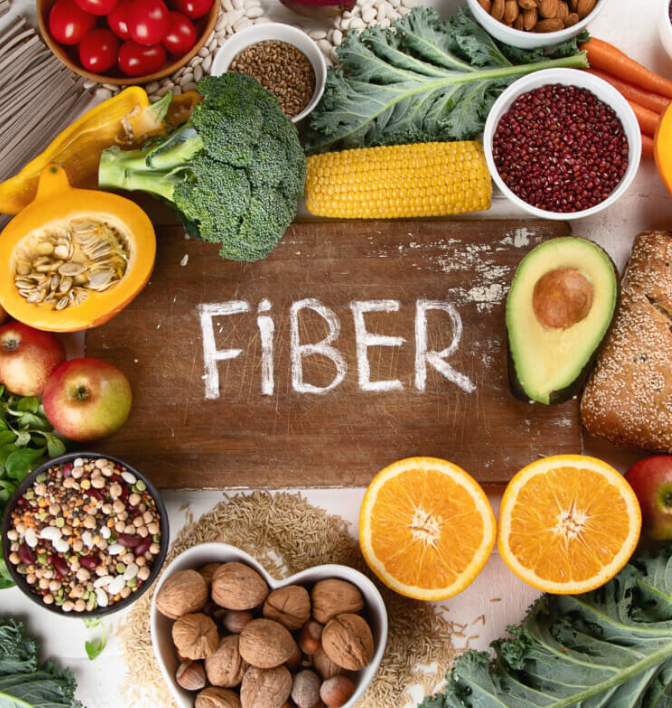
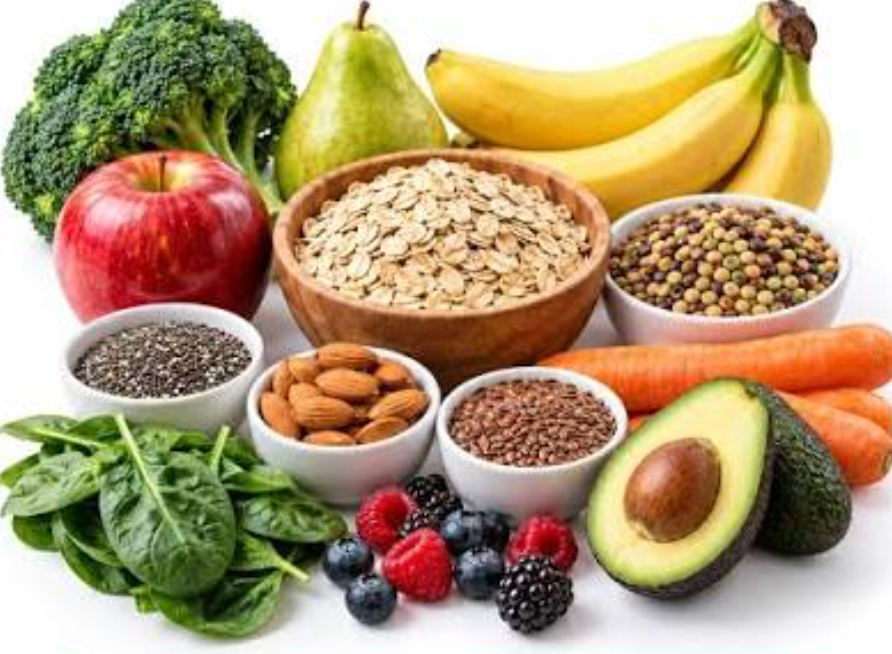
Fiber is an important part of a healthy eating pattern, but many Americans do not get enough of it. The good news is that you can increase your fiber intake without relying on supplements. Beans, lentils, whole grains, fruits, vegetables, nuts, and seeds are among the best sources.
For most adults, a practical goal is to gradually work toward roughly 22 to 34 grams of fiber per day, depending on age and sex. The FDA’s Daily Value for dietary fiber is 28 grams per day based on a 2,000-calorie diet. Your individual needs can be higher or lower.
A high-fiber diet can support regular bowel movements and may help with blood cholesterol, blood glucose, fullness, and overall heart health. However, more fiber is not always better if you increase it too quickly or do not drink enough fluids.
What Is Dietary Fiber?
Dietary fiber is a type of carbohydrate that your body does not fully digest. Unlike many other carbohydrates, fiber passes through much of the digestive tract and can affect digestion, bowel movements, blood glucose, cholesterol, and feelings of fullness.
Fiber naturally occurs in plant foods such as fruits, vegetables, whole grains, beans, peas, lentils, nuts, and seeds. Some foods also contain isolated or added fibers, such as psyllium. The FDA recognizes certain naturally occurring and isolated fibers when they meet its criteria for beneficial physiological effects.
Fiber is often described as soluble or insoluble, although many foods contain a mixture of both.
Soluble Fiber
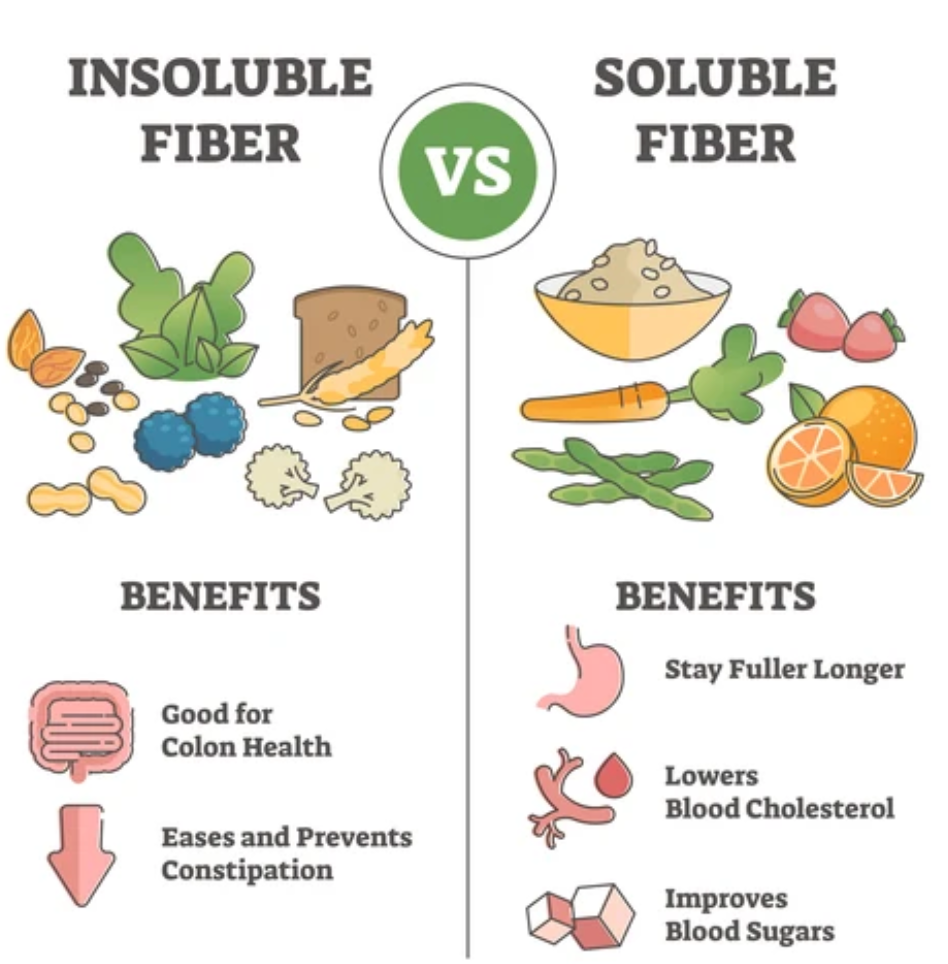
Soluble fiber dissolves in water and can form a gel-like material in the digestive tract.
Foods that provide soluble fiber include:
- Oats.
- Barley.
- Beans and lentils.
- Some fruits.
- Some vegetables.
- Psyllium.
Certain soluble fibers, including beta-glucan from oats and barley and psyllium, have been specifically studied for effects on cholesterol and other health outcomes. The FDA allows certain health claims involving soluble fiber and coronary heart disease when specific conditions are met.
Insoluble Fiber
Insoluble fiber does not dissolve in water and contributes bulk to stool.
Good sources include:
- Whole grains.
- Wheat bran.
- Vegetable skins.
- Nuts.
- Seeds.
- Many vegetables.
Insoluble fiber can be particularly useful for maintaining regular bowel movements.
Most high-fiber foods contain both types, so you generally do not need to calculate how much soluble versus insoluble fiber you eat. A varied diet provides a mixture naturally.
Why Does Fiber Matter?
Fiber matters because it affects several parts of nutrition and digestive health.
The strongest practical reason to eat enough fiber is that it helps support normal bowel function. NIDDK recommends adequate fiber and fluids as part of dietary management for constipation.
Fiber-rich foods may also help you feel full after meals. Foods such as beans, whole grains, fruits, vegetables, nuts, and seeds can add volume and texture to meals while contributing fiber and other nutrients.
Higher-fiber eating patterns are also associated with better cardiovascular health. The American Heart Association’s 2026 dietary guidance describes heart-healthy dietary patterns as rich in fiber and emphasizes vegetables, fruits, whole grains, legumes, and minimally processed foods.
Fiber can also influence blood glucose and cholesterol. The FDA notes that certain dietary fibers have demonstrated beneficial physiological effects that include lowering blood glucose or blood cholesterol and increasing bowel movement frequency.
These benefits do not mean that one high-fiber food can prevent or treat a disease. Overall dietary patterns matter much more than any individual food.
What Are the Best High-Fiber Foods?

The best high-fiber foods are usually minimally processed plant foods that provide fiber along with other nutrients.
Beans and Lentils
Beans and lentils are among the most useful foods for increasing fiber because they provide both fiber and plant protein.
Good choices include:
- Black beans.
- Kidney beans.
- Pinto beans.
- Chickpeas.
- Navy beans.
- White beans.
- Lentils.
- Split peas.
- Black-eyed peas.
- Edamame.
USDA MyPlate includes beans, peas, and lentils among both the vegetable and protein food groups.
Try adding beans to soups, salads, chili, grain bowls, tacos, or whole-grain wraps.
If you use canned beans, choosing lower-sodium or no-salt-added varieties can make it easier to keep sodium intake under control. Rinsing canned beans can also reduce some of the sodium.
Oats and Barley
Oats and barley are useful whole-grain choices, particularly because they provide soluble fiber.
Oatmeal can be an easy breakfast base. You can add berries, nuts, seeds, or sliced fruit without making the meal complicated.
Barley works well in soups, grain bowls, and salads.
The FDA specifically recognizes beta-glucan soluble fiber from whole oats and barley in certain authorized heart-health claims.
Berries
Berries can provide fiber while adding relatively little preparation.
Good choices include:
- Raspberries.
- Blackberries.
- Strawberries.
- Blueberries.
Fresh and frozen berries can both be practical choices. Add them to oatmeal, plain yogurt, or a smoothie.
Apples and Pears
Whole apples and pears provide fiber, particularly when the edible skin is included.
An important distinction is that whole fruit and fruit juice are not nutritionally identical. Eating the whole fruit preserves the fiber structure that is largely lost when fruit is processed into juice.
The American Heart Association specifically notes that eating an apple provides more fiber than drinking apple juice.
Vegetables
Vegetables can make a significant contribution to daily fiber intake.
Useful choices include:
- Broccoli.
- Green peas.
- Brussels sprouts.
- Carrots.
- Sweet potatoes.
- Collard greens.
- Artichokes.
- Cauliflower.
- Green beans.
- Avocado.
USDA MyPlate lists beans, peas, lentils, broccoli, carrots, sweet potatoes, green peas, avocado, and many other vegetables as part of the vegetable group.
Nuts and Seeds
Nuts and seeds provide fiber along with protein, unsaturated fats, vitamins, minerals, and other nutrients.
Good options include:
- Almonds.
- Pistachios.
- Walnuts.
- Peanuts.
- Chia seeds.
- Flaxseeds.
- Pumpkin seeds.
- Sunflower seeds.
They are easy to add to oatmeal, yogurt, salads, or whole-grain meals.
Because nuts and seeds are energy-dense, portion size still matters if you are watching your calorie intake.
Whole-Grain Foods
Whole grains contain more of the original grain structure than refined grains.
Examples include:
- Oatmeal.
- Barley.
- Brown rice.
- Whole-wheat bread.
- Whole-wheat pasta.
- Bulgur.
- Quinoa.
- Popcorn without excessive butter or salt.
The American Heart Association recommends choosing foods made mostly with whole grains rather than refined grains as part of a heart-healthy dietary pattern.
When shopping, look for a whole grain as an ingredient rather than assuming that a product is high in fiber because its package uses words such as “multigrain” or “wheat.”
How Much Fiber Do You Need Each Day?
For adults, NIDDK states that recommended fiber intake generally ranges from 22 to 34 grams per day, depending on age and sex. The FDA’s Daily Value is 28 grams per day based on a 2,000-calorie diet.
Your exact target depends on factors such as age, sex, calorie needs, and overall health.
A useful approach is to think about fiber across the entire day instead of trying to consume a large amount at one meal.
For example:
Breakfast: oatmeal with berries and chia seeds.
Lunch: a bean and vegetable salad with whole-grain bread.
Snack: an apple with nuts.
Dinner: lentils or beans with vegetables and brown rice.
The goal is not to create a perfect “fiber meal.” It is to make fiber-rich foods a normal part of several meals.
How Can You Increase Fiber Without Causing Gas or Bloating?
Increase fiber gradually rather than suddenly.
If your usual diet contains relatively little fiber, adding several large servings of beans, bran, and seeds overnight can cause gas, bloating, abdominal discomfort, or changes in bowel movements.
NIDDK recommends adding fiber gradually so the body can adjust. Drinking enough fluids is also important because liquids help fiber work properly in the digestive tract.
A practical strategy is to make one change at a time.
For example:
- Replace refined breakfast cereal with oatmeal.
- Add fruit to breakfast.
- Add beans to lunch.
- Choose whole-grain bread.
- Add one vegetable to dinner.
- Gradually increase portions of legumes and whole grains.
This approach is usually easier to maintain than trying to dramatically change your diet in one day.
Do You Need to Drink More Water When Eating More Fiber?
Usually, adequate fluid intake is important when increasing fiber, particularly if constipation is the reason for the dietary change.
Fiber and fluids work together in the digestive tract. NIDDK specifically recommends drinking plenty of liquids when increasing fiber to help soften stool and make bowel movements easier.
However, there is no universal requirement that every person drink a specific amount of water solely because they eat fiber.
Fluid needs vary with body size, activity, climate, health conditions, medications, and other factors.
Can High-Fiber Foods Help With Constipation?
Yes. Increasing dietary fiber can help prevent or relieve constipation for many people.
NIDDK recommends getting enough fiber and fluids as part of dietary management for constipation. Adults generally need about 22 to 34 grams of fiber per day, although individual needs vary.
Good food choices include:
- Oatmeal.
- Whole-wheat bread.
- Lentils.
- Black beans.
- Chickpeas.
- Apples with the skin.
- Pears.
- Berries.
- Broccoli.
- Green peas.
- Nuts.
The key is gradual change. Suddenly consuming a very large amount of fiber can make bloating and gas worse.
Persistent, severe, or unexplained constipation should not simply be treated by continually adding more fiber. A healthcare professional can help determine whether another cause needs attention.
Can Fiber Help Lower Cholesterol?
Some types of dietary fiber can help lower LDL cholesterol, particularly certain soluble fibers.
Oat and barley beta-glucan and psyllium are among the best-studied examples. The FDA recognizes specific soluble-fiber relationships with coronary heart disease under defined conditions.
However, this does not mean that eating one bowl of oatmeal will “clean your arteries” or replace treatment for high cholesterol.
A more accurate way to think about it is that regularly choosing fiber-rich foods as part of an overall heart-healthy eating pattern may contribute to healthier cholesterol levels.
The American Heart Association recommends a dietary pattern emphasizing vegetables, fruits, whole grains, legumes, nuts, healthy protein sources, and unsaturated fats while limiting saturated fat, sodium, and added sugars.
Can Fiber Help With Blood Sugar?
Certain dietary fibers can affect blood glucose and insulin responses, and high-fiber foods can be useful components of a balanced eating pattern.
The FDA identifies lowering post-meal blood glucose or insulin and lowering fasting blood glucose among physiological effects that have been demonstrated for certain isolated or synthetic fibers.
Whole foods also matter because fiber-rich foods often come packaged with other nutrients.
For example, replacing a refined grain with a whole grain or adding beans and vegetables to a meal can increase fiber while improving the overall nutritional quality of the meal.
Fiber is not a substitute for diabetes medication or individualized medical care.
Can High-Fiber Foods Help With Weight Management?
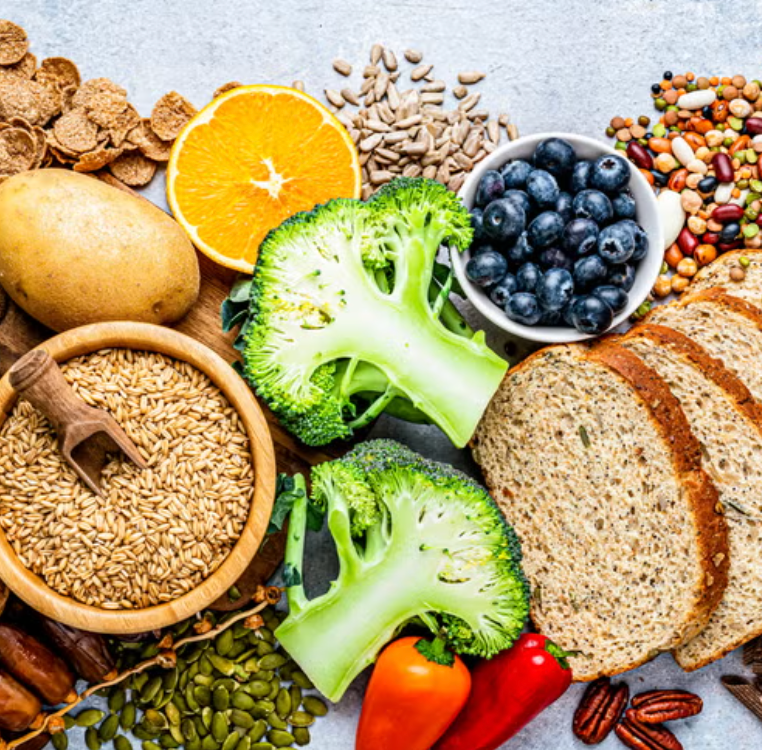
They can be helpful, but they are not a weight-loss treatment by themselves.
High-fiber foods can increase fullness and may help reduce overall calorie intake when they replace lower-fiber, highly processed foods. The American Heart Association notes that fiber-rich foods can help people feel satisfied with fewer calories.
For example, replacing a low-fiber snack with fruit and a small serving of nuts can provide more fiber and nutrients.
But calories still matter. Some high-fiber foods, such as nuts, seeds, granola, and certain energy bars, can also be calorie-dense.
The goal should be a sustainable eating pattern rather than simply maximizing fiber.
What Is a Simple High-Fiber Day of Eating?
You do not need an elaborate meal plan to eat more fiber.
One simple example is:
Breakfast: oatmeal topped with raspberries, chia seeds, and unsweetened yogurt.
Lunch: lentil or bean soup with a side salad and whole-grain bread.
Snack: a pear or apple with a small handful of almonds.
Dinner: grilled fish or another protein with roasted vegetables and barley or brown rice.
This type of day combines several major fiber sources rather than relying on one “superfood.”
You can also use frozen vegetables, canned beans, and other convenient foods. USDA MyPlate specifically recommends practical staples such as beans, frozen vegetables, oatmeal, brown rice, and whole-wheat foods as budget-friendly options.
How Can You Find High-Fiber Foods at the Grocery Store?
The Nutrition Facts label is one of the easiest tools.
The FDA lists 28 grams as the Daily Value for dietary fiber. A food providing 20% or more of the Daily Value per serving is generally considered high in that nutrient for labeling purposes.
When comparing similar products:
- Check the grams of dietary fiber per serving.
- Look at the serving size.
- Compare added sugar.
- Compare sodium.
- Check saturated fat.
- Read the ingredient list.
- Look for whole grains when buying grain products.
A product with a large “high fiber” claim is not automatically the healthiest choice.
A cereal or snack bar may contain added fiber but also substantial amounts of added sugar, sodium, or saturated fat. The whole nutrition profile matters.
Are Fiber Supplements as Good as High-Fiber Foods?
Not necessarily.
Fiber supplements can be useful in some situations, but whole foods provide fiber together with vitamins, minerals, plant compounds, and other nutrients.
For most people, food should be the primary source of dietary fiber.
Psyllium is one example of a supplemental fiber that has been extensively studied. The FDA recognizes psyllium as a dietary fiber with specific physiological benefits and has authorized certain health claims under defined conditions.
If you use a fiber supplement, follow the product directions and increase the amount gradually. Some products require adequate fluid intake.
People with swallowing difficulties, certain gastrointestinal conditions, or other medical concerns should ask a healthcare professional before using concentrated fiber products.
Common High-Fiber Mistakes and Misconceptions
“More fiber is always better.”
Not necessarily.
Adequate fiber is important, but suddenly consuming very large amounts can cause gas, bloating, abdominal discomfort, or changes in bowel habits.
The goal is an appropriate amount that you can tolerate and maintain.
“All fiber works the same way.”
Different fibers have different physical and physiological properties.
Soluble fibers such as beta-glucan and psyllium have been studied for specific effects that are not necessarily shared equally by every type of fiber.
“Fruit juice is basically the same as whole fruit.”
It is not.
Whole fruit retains its fiber, while many juices contain little or no fiber.
The American Heart Association specifically uses the example of eating an apple rather than drinking apple juice when discussing fiber.
“Whole wheat automatically means high fiber.”
Not always.
Some products marketed as wheat-based foods can contain relatively little fiber.
Check the Nutrition Facts label instead of relying only on front-of-package wording.
“Fiber supplements can replace vegetables.”
They generally should not be viewed that way.
A supplement can provide a specific type of fiber, but vegetables, fruits, legumes, whole grains, nuts, and seeds also provide many other nutrients and beneficial food components.
“High-fiber foods are only useful for digestion.”
No.
Fiber is relevant to digestion, but fiber-rich dietary patterns are also associated with cardiovascular and metabolic health.
Safety and Important Considerations
Most people can safely increase fiber through food, especially when the change is gradual.
However, some people need individualized guidance.
Talk with a healthcare professional before making a major dietary change if you have:
- A diagnosed gastrointestinal disorder.
- A history of bowel obstruction or narrowing.
- Significant swallowing difficulties.
- Persistent or unexplained abdominal pain.
- Severe or persistent constipation.
- Significant diarrhea.
- A medical condition requiring a specialized diet.
- Medications whose absorption may be affected by a fiber supplement.
If you increase fiber, increase it gradually and maintain adequate fluid intake unless a healthcare professional has given you different fluid instructions.
Food allergies and intolerances also matter. For example, someone with celiac disease needs to choose gluten-free whole grains rather than simply increasing wheat-based whole grains.
Frequently Asked Questions About High-Fiber Foods
What are the best high-fiber foods?
Beans, lentils, whole grains, berries, pears, apples with the skin, vegetables, nuts, and seeds are among the best food sources. A varied combination is more useful than relying on one particular food.
How much fiber should an adult eat per day?
NIDDK states that adults generally need about 22 to 34 grams of fiber per day depending on age and sex. The FDA’s Daily Value is 28 grams based on a 2,000-calorie diet.
What foods have the most fiber?
Legumes such as beans, lentils, and split peas are particularly useful sources. Seeds, nuts, berries, whole grains, and many vegetables also contribute substantial fiber.
What is the best high-fiber food for constipation?
There is no single best food for everyone. Foods such as beans, lentils, oatmeal, whole grains, berries, pears, apples, vegetables, and nuts can help increase fiber intake. Fluids are also important.
Can eating more fiber help you lose weight?
It may help with fullness and overall diet quality, especially when fiber-rich foods replace lower-fiber foods. However, fiber alone does not guarantee weight loss.
Is oatmeal a high-fiber food?
Yes. Oats contain dietary fiber, including beta-glucan soluble fiber. Oats are one of the whole-grain foods that can fit into a heart-healthy eating pattern.
Are bananas high in fiber?
Bananas provide dietary fiber, but they are not among the most concentrated fiber sources. If you are specifically trying to increase fiber, combine fruit with foods such as oats, beans, lentils, nuts, or seeds.
Are potatoes high in fiber?
Potatoes provide some fiber, particularly when the skin is eaten. However, preparation matters. A baked potato with its skin is nutritionally different from highly processed potato products.
Is fiber good for cholesterol?
Certain types of soluble fiber can help lower LDL cholesterol. Oat and barley beta-glucan and psyllium are among the better-studied examples.
Can too much fiber cause problems?
Yes. A sudden increase can cause gas, bloating, abdominal discomfort, or changes in bowel movements. Increase fiber gradually and drink adequate fluids.
Should I get fiber from food or supplements?
For most people, food is the preferred source because fiber-rich foods also provide other nutrients. Supplements can be useful in certain circumstances, but they should not automatically replace a varied diet.
Can older adults benefit from more fiber?
Yes. Older adults can benefit from adequate fiber, particularly because constipation and inadequate fiber intake can become more common with age. The FDA specifically identifies dietary fiber as one of the nutrients older adults should pay attention to.
Related Questions People Ask About High-Fiber Foods
- What are the top 10 high-fiber foods?
- How much fiber should I eat every day?
- What foods are highest in soluble fiber?
- What foods are highest in insoluble fiber?
- What is the best fiber for constipation?
- Can fiber lower cholesterol?
- Can fiber help control blood sugar?
- Can eating more fiber help with weight management?
- What should I eat for a high-fiber breakfast?
- Are beans good for digestion?
- Is oatmeal high in fiber?
- Are fruits or vegetables better sources of fiber?
- Can too much fiber cause bloating?
- How quickly should I increase my fiber intake?
- Do I need more water when I eat more fiber?
- Are fiber supplements better than high-fiber foods?
- What is the difference between soluble and insoluble fiber?
- How do I know whether a food is high in fiber?
- Which high-fiber foods are good for older adults?
- Can high-fiber foods help with constipation?
A Practical Way to Eat More Fiber
You do not have to completely change your diet to eat more fiber.
Start with three simple substitutions.
Choose oatmeal instead of a low-fiber breakfast cereal.
Choose beans or lentils more often instead of making every meal center on meat.
Choose whole fruit instead of juice.
Then add vegetables, whole grains, nuts, or seeds to meals you already enjoy.
The most useful high-fiber diet is not the one with the most extreme fiber intake. It is the one you can consistently maintain while getting a variety of nutritious foods.
For additional evidence-based nutrition guidance, see the FDA dietary fiber guidance, USDA MyPlate vegetable guidance, NIDDK guidance on fiber and constipation, and American Heart Association dietary guidance.
Conclusion
High-fiber foods are a practical part of a healthy eating pattern. Beans, lentils, whole grains, fruits, vegetables, nuts, and seeds can help you reach your daily fiber needs while providing many other nutrients.
For most adults, aiming for roughly 22 to 34 grams of fiber per day is a useful general range, while the FDA Daily Value is 28 grams. Increase fiber gradually rather than making a sudden change, and pay attention to adequate fluid intake.
The biggest mistake is to search for one “best” fiber food. A better approach is to build meals around a variety of plant foods and make high-fiber choices consistently.

🇰🇷 Premium Korean Ginseng Online Shop
We’re a Korea-based online shop dedicated to authentic, premium Korean ginseng
Boost your health naturally with premium Korean ginseng!
🇰🇷 All orders are shipped directly from Korea with free worldwide shipping.
🎁 20% OFF Your Order — Use Code: vip20 at Checkout— Limited to the First 3 Orders Each Day!