
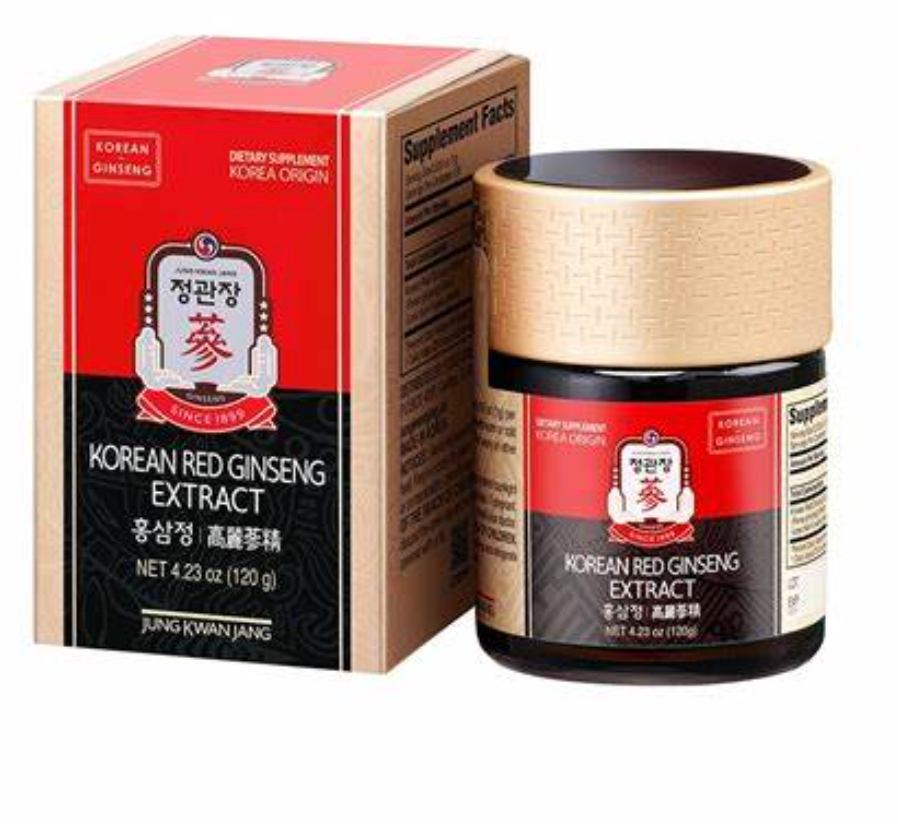
Korean ginseng has earned worldwide attention for its long history of traditional use and its growing presence in modern botanical research. However, not every product labeled “ginseng” contains the same plant, preparation, or level of quality.
If you are looking for authentic Korean ginseng, understanding the label is an important first step. The species, country of origin, processing method, ingredient list, and quality documentation can all help you make a more informed decision.
A premium-looking package alone does not prove authenticity. Nor does a long list of health claims establish product quality.
This guide explains what to look for when comparing Korean ginseng products. It also explores ginsenosides, red and white ginseng, extract formats, and practical questions to ask before purchasing.
1. Check the Botanical Name: Panax ginseng
The first step is to identify the exact plant used in the product.
Authentic Korean ginseng comes from the species Panax ginseng C.A. Meyer. It is also commonly called Asian ginseng or Korean ginseng.
This distinction matters because several different plants use the common name “ginseng.”
For example:
- Korean or Asian ginseng: Panax ginseng
- American ginseng: Panax quinquefolius
- Siberian ginseng: Eleutherococcus senticosus
These plants are not interchangeable. They belong to different botanical species and have different chemical profiles.
A product that simply says “ginseng” without identifying the species gives you less information. Look for Panax ginseng on the ingredient label or product documentation.
The root is the part most commonly used in traditional Korean ginseng preparations. Its naturally occurring compounds include ginsenosides, which are among the main substances studied in ginseng research.
What to look for: A clear botanical name, preferably Panax ginseng C.A. Meyer, rather than an unspecified “herbal ginseng blend.”
2. Verify the Country of Origin
The botanical species and the growing location are two different details.
Panax ginseng is native to parts of East Asia, including Korea, northeastern China, and the Russian Far East. Therefore, a product containing Panax ginseng is not automatically grown or processed in Korea.
If Korean origin is important to you, check whether the manufacturer clearly identifies Korea as the source of the ginseng.
Useful information may include:
- Country where the ginseng was cultivated
- Country where the root was processed
- Manufacturer or processor details
- Traceability information for the raw material
- Supporting origin documentation, where available
Be careful with phrases such as “Korean formula,” “Korean-inspired,” or “Korean technology.” These descriptions do not necessarily confirm that the ginseng itself was cultivated in Korea.
A transparent seller should be able to explain what “Korean ginseng” means for the specific product.
What to look for: Clear statements about the origin of the raw ginseng, not just the location of the brand or distributor.
3. Understand Red, White, Black, and Fermented Ginseng
Korean ginseng is available in several preparations. The processing method can change the root’s chemical composition and the relative levels of certain ginsenosides.
The most familiar types include white and red ginseng.
White ginseng
White ginseng is generally produced by cleaning and drying the fresh root without the traditional steaming process used for red ginseng.
Its chemical profile reflects this preparation method. It contains naturally occurring ginsenosides, although the exact composition can vary with the root and processing conditions.
Korean red ginseng
Korean red ginseng is traditionally produced by steaming and then drying the root.
Heating changes the chemical profile of ginseng. Some naturally occurring ginsenosides are transformed, and compounds such as Rg3 may become more prominent in certain preparations.
However, the final composition depends on the processing conditions and raw material. Red ginseng should not automatically be considered clinically superior to white ginseng for every purpose.
Black ginseng
Black ginseng is commonly produced through repeated steaming and drying. This additional processing can further change its chemical profile.
The number of processing cycles, temperature, drying conditions, and starting material may influence the final product.
Fermented ginseng
Fermented ginseng is processed with microorganisms or enzymes to transform certain ginseng compounds.
Researchers have studied fermentation because it may alter the profile of ginsenosides and other constituents. However, the word “fermented” alone does not establish a particular potency or health outcome.
What to look for: A product that clearly identifies its preparation method. Do not assume that red, black, or fermented ginseng is automatically better. Choose based on transparent product information and your own preferences.
4. Understand Ginsenoside Content
Ginsenosides are naturally occurring compounds found in Panax ginseng. They are often discussed in scientific research because different ginsenosides have distinct chemical structures and biological activities.
Some commonly discussed ginsenosides include:
- Rg1: Studied in research involving cellular and nervous-system processes.
- Rb1: One of the major ginsenosides found in Panax ginseng.
- Rg3: A compound that may become more prominent through certain steaming processes.
- Rh1, Rg5, and Rk1: Compounds also investigated in processed ginseng preparations.
The presence of ginsenosides is relevant when evaluating a ginseng product. However, a higher number on a label does not automatically mean a better product or a stronger real-world health effect.
Several factors influence the ginsenoside profile:
- The botanical species
- The age and quality of the root
- Growing conditions
- Harvesting practices
- Processing and extraction methods
- Storage conditions
- Laboratory testing methods
Is a standardized ginsenoside percentage important?
It can be useful, particularly when comparing concentrated extracts.
A standardized extract should identify the measured ginsenoside content and explain what the percentage represents. Ideally, the manufacturer should provide supporting analytical documentation.
For example, a label stating “standardized to 10% total ginsenosides” should be supported by a reliable test method and a clear definition of which compounds are included in that total.
Do not confuse the amount of ginseng extract with the amount of ginsenosides.
A product containing 500 mg of extract does not necessarily contain 500 mg of ginsenosides.
What to look for: Clearly declared ingredient quantities and, where available, a laboratory report showing measured ginsenoside content.
5. Look for a Certificate of Analysis
A Certificate of Analysis, commonly called a COA, is a laboratory document that reports the results of specified tests on a product or batch.
It can help buyers evaluate product quality beyond marketing descriptions.
Depending on the product, a useful COA may include:
- Botanical identity testing
- Ginsenoside analysis
- Heavy-metal testing
- Microbiological testing
- Pesticide residue testing
- Other tests relevant to the ingredients and manufacturing process
A COA should ideally identify the tested product or batch, the laboratory, the test date, and the analytical methods or specifications used.
A generic certificate that cannot be connected to the product or batch offers limited reassurance.
Also, a COA is not the same as a government endorsement. It is evidence of specified laboratory results, not proof that a product treats a medical condition.
If a seller advertises a specific ginsenoside concentration, ask whether that figure comes from testing of the actual product or from a general ingredient specification.
What to look for: Batch-related quality documentation that is relevant, readable, and available for verification.
6. Read the Full Ingredient List and Supplement Facts
The front of a package is designed to attract attention. The ingredient panel provides more useful information.
For products sold as dietary supplements in the United States, labels generally include a Supplement Facts panel, an ingredient list, and manufacturer or distributor information.
Check these details before buying:
| Label detail | What to check |
|---|---|
| Product identity | Does it clearly identify the product as a dietary supplement, where applicable? |
| Botanical ingredient | Does it specify Panax ginseng? |
| Serving size | How much should you take per serving? |
| Ingredient quantity | Is the amount of ginseng declared? |
| Other ingredients | Are sweeteners, flavors, fillers, or preservatives listed? |
| Manufacturer details | Is a responsible company identified? |
| Directions | Are the serving instructions clear? |
| Warnings | Are relevant precautions included? |
Pay attention to products that use proprietary blends. A blend may list several ingredients without disclosing the amount of each one.
That makes it harder to compare products accurately.
Also consider the format. Ginseng may be sold as whole root, powder, capsules, liquid extract, concentrated extract, or convenient stick products. Each format has different serving sizes and ingredient considerations.
A convenient format is not automatically more effective. The important question is whether the label explains what the product contains.
What to look for: A complete, understandable label with clearly identified ingredients and serving information.
7. Do Not Rely on “FDA Approved” Marketing
In the United States, dietary supplements are regulated differently from prescription drugs.
The FDA does not approve dietary supplements or their labeling before they are marketed in the same way it approves drugs. Manufacturers and distributors are responsible for ensuring that their products comply with applicable requirements.
This means that phrases such as “FDA approved ginseng supplement” should be treated carefully.
A company may have obligations involving manufacturing practices, product labeling, safety, and substantiation of claims. However, facility registration or regulatory compliance should not be presented as proof that the FDA has evaluated and endorsed a particular supplement.
Be equally cautious about medical promises.
A dietary supplement should not be marketed as a product that cures inflammation, treats diabetes, reverses heart disease, or replaces prescribed medication.
Responsible product information distinguishes traditional use, laboratory research, human clinical evidence, and proven medical treatment.
What to look for: Honest claims, clear labeling, and no suggestion that a dietary supplement has FDA approval when it does not.
8. Consider the Manufacturer’s Transparency and Safety Information
A trustworthy product description should help you understand what you are buying.
Look for a manufacturer or distributor that provides:
- A clear business identity and contact information
- A complete ingredient list
- Serving directions
- Storage instructions
- Relevant warnings
- Information about the product’s origin and processing
- Quality documentation when available
Third-party testing or certification may provide additional information, depending on the organization and the scope of its program. Check exactly what was tested or certified. Do not assume that every certification covers potency, purity, manufacturing quality, and clinical effectiveness.
Is Korean ginseng safe for everyone?
Not necessarily.
The National Center for Complementary and Integrative Health (NCCIH) notes that short-term oral use of Asian ginseng in recommended amounts appears safe for most adults, but side effects and interactions are possible.
Insomnia is a commonly reported side effect. Ginseng may also affect blood clotting or blood sugar, and it may interact with certain medications.
People who take prescription medicines, have diabetes, have an autoimmune condition, or have concerns about blood clotting should consult a qualified healthcare professional before using ginseng.
Pregnant or breastfeeding individuals should seek professional advice before considering its use.
What to look for: A seller that provides practical safety information instead of presenting ginseng as suitable for absolutely everyone.
9. Does Six-Year-Old Korean Ginseng Always Mean Better Quality?
You may see products advertised as six-year-old Korean ginseng. This is a familiar category in the Korean ginseng market.
The age of the root can be relevant to its growing history and commercial classification. However, age alone does not establish the overall quality of a finished product.
Other factors matter too:
- Botanical identity
- Cultivation and harvesting conditions
- Root condition
- Processing method
- Storage and handling
- Final ginsenoside profile
- Testing and quality controls
A six-year-old root without reliable origin or quality information is not automatically a better purchase than another well-documented product.
Likewise, a product made from older roots should not be assumed to provide greater clinical benefits.
The most useful approach is to consider root age as one piece of information, not the only measure of quality.
10. Why Authenticity Matters When Buying Korean Ginseng Online
Online shopping gives consumers access to many ginseng products. It also makes it harder to inspect the original ingredients or verify the seller’s claims in person.
A product may use Korean imagery, traditional design, or phrases such as “premium ginseng” without providing enough information about the actual ingredient.
Before purchasing, ask yourself:
- Is the botanical species identified?
- Is the Korean origin clearly explained?
- Is the processing method disclosed?
- Can I understand the amount of ginseng per serving?
- Are the other ingredients listed?
- Does the seller provide relevant quality information?
- Are the health claims realistic and responsible?
If several of these questions remain unanswered, consider comparing another product.
Authenticity is not established by packaging alone. It depends on traceable ingredients, transparent information, and responsible quality practices.
Why Explore Korean Ginseng from SeoulGinseng?
Choosing Korean ginseng should begin with understanding the product, not simply believing the strongest marketing claim.
At SeoulGinseng.com, you can explore Korean ginseng products and learn more about the different preparations available.
Whether you are comparing traditional red ginseng, processed ginseng, or other product formats, take time to review the ingredient information and serving directions for the specific product you choose.
A thoughtful purchase starts with clear information.
[Shop Korean Ginseng]
Frequently Asked Questions
1. How can I tell if Korean ginseng is authentic?
Start by checking the botanical name Panax ginseng. Then review the stated country of origin, processing method, ingredient list, manufacturer information, and available quality documentation.
2. Is Korean ginseng the same as Panax ginseng?
Korean ginseng is a common name for Panax ginseng. However, the species can also be grown in other parts of East Asia. Check the stated country of origin if Korean cultivation is important to you.
3. What is the difference between Korean red ginseng and white ginseng?
White ginseng is generally cleaned and dried, while red ginseng is traditionally steamed and dried. The processing methods change the chemical composition and relative levels of certain ginsenosides.
4. Is black ginseng better than red ginseng?
Not necessarily. Black ginseng undergoes additional steaming and drying, which changes its chemical profile. However, more processing does not automatically mean better clinical outcomes.
5. What are ginsenosides?
Ginsenosides are naturally occurring compounds found in Panax ginseng. Researchers study different ginsenosides, including Rg1, Rb1, and Rg3, for their biological activities.
6. Should I choose a ginseng product with standardized ginsenosides?
Standardization can make extract products easier to compare. Look for a clearly stated percentage, serving quantity, and supporting laboratory documentation where available.
7. Is Korean ginseng FDA approved?
The FDA does not approve dietary supplements before they are marketed in the same way it approves drugs. Be cautious of sellers who describe a dietary supplement as “FDA approved.”
8. Can everyone take Korean ginseng?
No. Ginseng may cause side effects or interact with medications. People with medical conditions, those taking medication, and pregnant or breastfeeding individuals should seek professional advice before use.
Final Thoughts
Authentic Korean ginseng is more than a product label or attractive package. Its quality depends on botanical identity, origin, processing, ingredient transparency, and appropriate quality controls.
When comparing products, look beyond promotional claims. Check the species, understand the preparation, review the Supplement Facts, and ask for relevant testing information.
Most importantly, choose a product with realistic claims and clear safety guidance.
Discover Korean ginseng with greater confidence at SeoulGinseng.com.
Disclaimer: This article is for educational purposes only and is not a substitute for professional medical advice, diagnosis, or treatment. Dietary supplements are not intended to diagnose, treat, cure, or prevent disease. Consult a qualified healthcare professional before using ginseng, especially if you take medication or have an existing medical condition.
Products by Category
-

CheongKwanJang — Korean Red Ginseng Extract Everytime Original (10 mL × 100 sticks)
$490 -
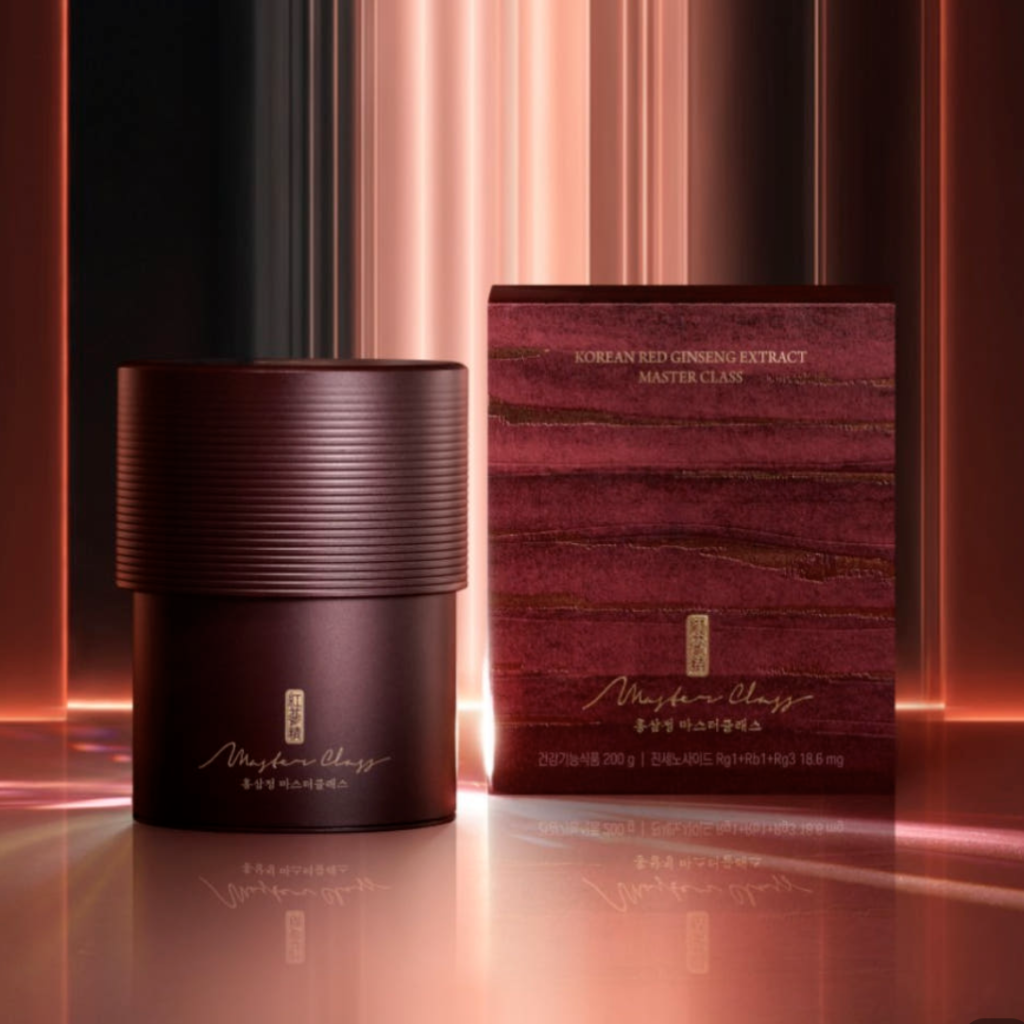
CheongKwanJang — Korean Red Ginseng Extract Master Class (200 g)
$1,120 -

CheongKwanJang — Korean Red Ginseng Mild Paste – HongSamJinGo (10 g × 30 sticks)
$190 -

CheongKwanJang — Korean Red Ginseng Tablet Plus (700 mg × 60 pills)
$330 -

CheongKwanJang — Mild Red Ginseng Paste (100 g)
$144 -
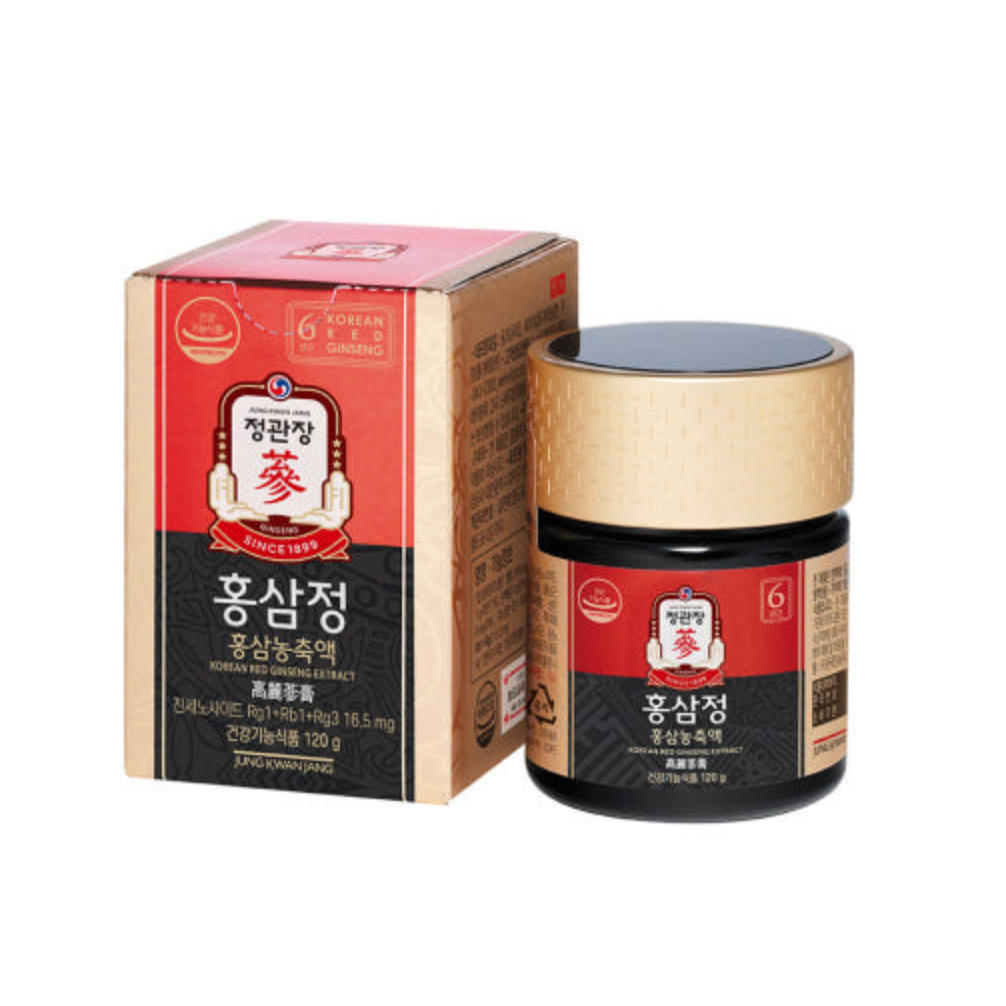
CheongKwanJang — Red Ginseng Extract — HongSamJung (120 g)
$228 -

GeumHeuk — Fermented Black Ginseng Extract – RootKhan Golden Black (12 g × 200 sticks)
$2,750 -

GeumHeuk — Fermented Black Ginseng Extract – RootKhan Golden Black (12 g × 90 sticks)
$1,418 -
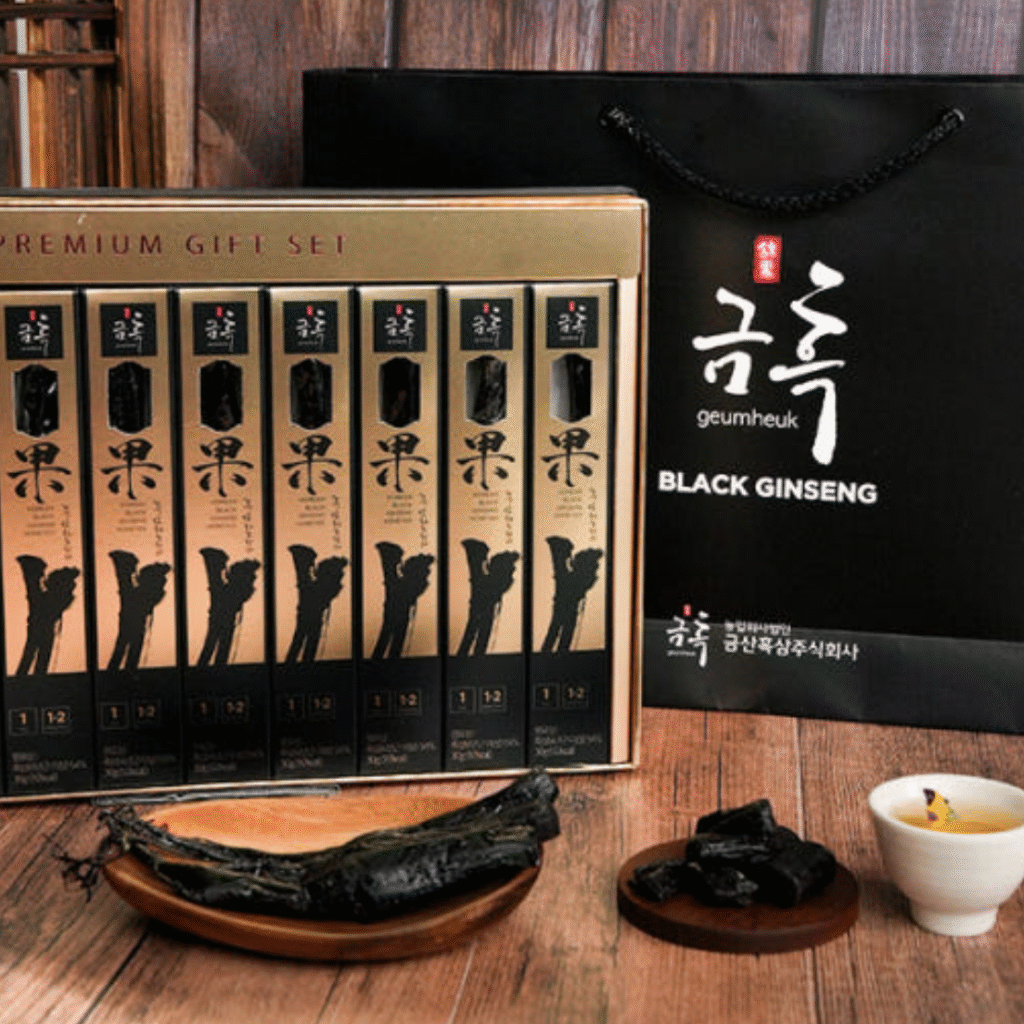
GeumHeuk — Honey-Infused Black Ginseng Whole-Root 600g (30 g × 20 pouches )
$299