Why Korean Ginseng Is One of the World’s Most Trusted Ginsengs
Korean ginseng has earned a special place in the world of traditional botanical ingredients. Known for its long history, distinctive cultivation methods, careful processing, and naturally occurring ginsenosides, Korean ginseng is one of the most recognized types of ginseng available today.
For centuries, ginseng has been cultivated and used in Korea as an important traditional plant. Over time, Korean ginseng developed from a highly valued traditional root into a globally traded agricultural product and a widely recognized ingredient in foods, beverages, extracts, and dietary supplements.
But what makes Korean ginseng so special?
Why do people around the world search for Korean ginseng, Korean red ginseng, and premium Korean ginseng?
And when people describe Korean ginseng as “number one,” what does that really mean?
The answer is not based on a single factor.
Korean ginseng’s reputation comes from a combination of Panax ginseng, Korea’s distinctive growing environment, long cultivation periods, traditional farming knowledge, specialized processing methods, ginsenoside research, quality control, and a long cultural history of ginseng use.
This guide takes a detailed look at Korean ginseng and explains why it has become one of the world’s best-known forms of ginseng.
What Is Korean Ginseng?
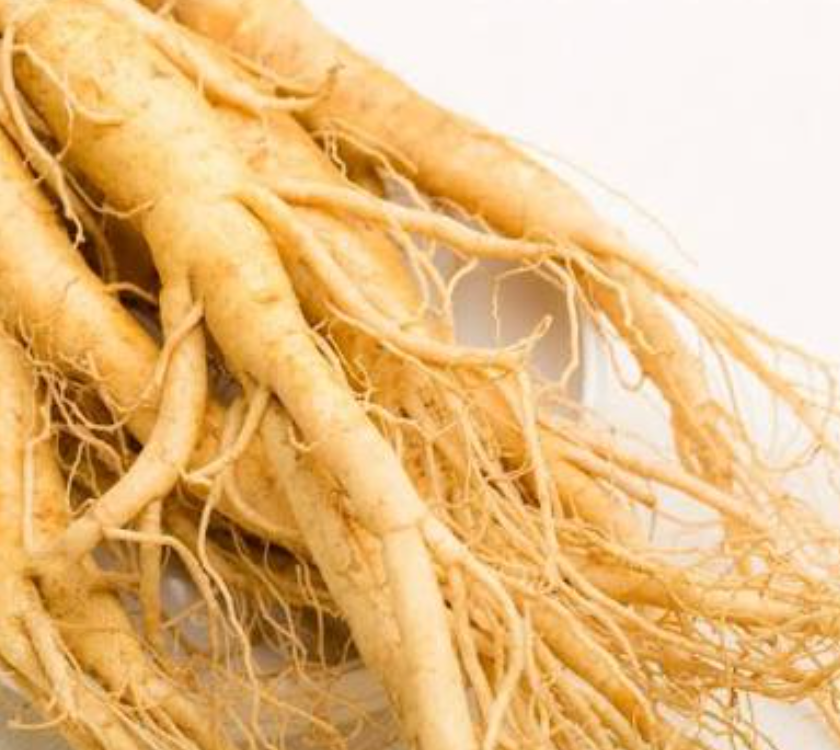
Korean ginseng generally refers to Panax ginseng, a species of ginseng that has been cultivated and used traditionally in East Asia for centuries.
The botanical name commonly associated with Korean ginseng is:
Panax ginseng C.A. Meyer
Korean ginseng is also commonly described as:
- Korean Ginseng
- Asian Ginseng
- Korean Panax Ginseng
- Korean Red Ginseng, when processed into red ginseng
- Korean Ginseng Root
- Korean Ginseng Extract
Although the word “ginseng” is often used broadly, not every ginseng product comes from the same plant.
This distinction is important.
There are several species in the Panax genus, and different species can have different chemical profiles and traditional uses.
For example, Panax ginseng is commonly associated with Asian or Korean ginseng, while Panax quinquefolius is commonly known as American ginseng.
Therefore, consumers looking specifically for Korean ginseng should check the botanical identity and country of origin rather than relying only on the word “ginseng” on a package.
Why Is Korean Ginseng Considered Number One?
The phrase “Korean ginseng number one” can be understood in several different ways.
It can refer to Korean ginseng’s:
- Long history
- International recognition
- Traditional reputation
- Cultivation expertise
- Processing technology
- Product diversity
- Research interest
- Ginsenoside content
- Cultural importance
- Global availability
However, “number one” should not be interpreted as a scientific statement that every Korean ginseng product is automatically superior to every other ginseng product.
Ginseng quality can vary considerably between products.
A premium Korean ginseng product should therefore be evaluated based on its species, origin, cultivation, processing, ingredients, standardization, manufacturing quality, freshness, and transparency.
In other words, Korean ginseng has an exceptional reputation, but the quality of an individual product still matters.
A Long Tradition of Korean Ginseng
One of the strongest reasons for the international reputation of Korean ginseng is its long cultural history.
Ginseng has been valued in Korea for generations.
Historically, naturally occurring wild ginseng was particularly rare and difficult to find. Because of its scarcity, wild mountain ginseng developed a reputation as a precious natural resource.
Over time, knowledge about growing ginseng gradually developed.
Cultivated ginseng became an important agricultural product, while traditional processing methods allowed ginseng to be stored and consumed in different forms.
Today, Korea has a sophisticated ginseng industry that combines traditional knowledge with modern agricultural practices, manufacturing technology, testing, packaging, and quality management.
This combination of history and modern production is an important part of the identity of Korean ginseng.
Korean Ginseng Is More Than Just a Root
At first glance, ginseng may appear to be simply a root.
However, the root contains a complex mixture of naturally occurring plant compounds.
Researchers have identified numerous chemical constituents in ginseng, including:
- Ginsenosides
- Polysaccharides
- Phenolic compounds
- Alkaloids
- Amino acids
- Peptides
- Glycosides
- Volatile compounds
- Other plant metabolites
Among these, ginsenosides are some of the most extensively studied compounds.
This complex chemical composition is one reason why ginseng continues to attract scientific interest.
What Are Ginsenosides?
Ginsenosides are naturally occurring saponin compounds found in Panax species.
They are often described as some of the principal bioactive constituents of ginseng.
Ginseng does not contain just one ginsenoside.
It contains a variety of different ginsenosides, including:
- Rb1
- Rb2
- Rc
- Rd
- Re
- Rg1
- Rg3
- Rh1
- Rh2
- Compound K
The exact profile can vary according to factors such as:
- Ginseng species
- Cultivation conditions
- Plant age
- Harvesting
- Processing
- Extraction method
- Storage
- Fermentation
This is why two products that are both labeled “ginseng” may have significantly different chemical profiles.
Why Ginsenosides Matter in Ginseng Research
Modern ginseng research frequently investigates individual ginsenosides rather than treating all ginseng compounds as one substance.
Different ginsenosides have different chemical structures and are therefore investigated for different biological properties.
Research has explored ginsenosides in areas including:
- Oxidative stress
- Inflammation-related signaling
- Vascular biology
- Metabolism
- Neuroscience
- Reproductive biology
- Cellular signaling
- Drug delivery
- Nanotechnology
Some research has been performed using isolated compounds, while other studies use whole ginseng extracts.
This distinction is important.
A laboratory study using purified Rg3, for example, should not automatically be interpreted as evidence that an ordinary Korean red ginseng product containing a mixture of many compounds will produce the same result.
Korean Ginseng and Its Growing Environment
The growing environment is another important part of Korean ginseng production.
Korea has a distinct seasonal climate with significant changes throughout the year.
Ginseng is a perennial crop that develops slowly beneath the soil.
During cultivation, farmers need to manage various environmental factors, including:
- Soil conditions
- Drainage
- Moisture
- Temperature
- Sunlight
- Shade
- Plant density
- Weeds
- Pests
- Disease pressure
- Soil nutrients
Because ginseng remains in the soil for an extended cultivation period, careful agricultural management is important.
The root that eventually becomes a finished ginseng product represents years of cultivation and care.
Why Does Korean Ginseng Take Years to Grow?
Unlike many agricultural crops that can be harvested relatively quickly, ginseng is generally cultivated over several years.
The plant needs time to establish its root system and develop underground.
During this period, farmers must continuously manage the growing environment.
Long cultivation means that farmers face a variety of challenges.
A crop can be affected by:
- Weather
- Excessive moisture
- Drought
- Soil conditions
- Pests
- Plant diseases
- Temperature fluctuations
- Other environmental factors
This long cultivation cycle is one reason ginseng is different from many ordinary food crops.
It also contributes to the perception of ginseng as a premium agricultural ingredient.
Four-Year, Five-Year, and Six-Year Ginseng
Consumers may encounter products described as:
- 4-year-old ginseng
- 5-year-old ginseng
- 6-year-old ginseng
- Mature Korean ginseng
Cultivation age can be an important product characteristic.
However, age alone should not be used as the only measure of quality.
A good ginseng product should be evaluated more comprehensively.
Other factors include:
- Botanical identity
- Origin
- Farming practices
- Root quality
- Processing
- Ginsenoside profile
- Manufacturing
- Storage
- Testing
- Product formulation
A six-year-old root is not automatically the best product simply because it is six years old.
Nevertheless, the long cultivation period is an important characteristic of Korean ginseng agriculture.
Korean Ginseng and Traditional Farming Knowledge
Modern Korean ginseng cultivation is supported by generations of accumulated agricultural knowledge.
Farmers have developed practical knowledge about:
- Soil preparation
- Shade management
- Planting
- Crop rotation
- Drainage
- Harvesting
- Drying
- Storage
Modern agricultural science has added additional tools for monitoring and controlling cultivation conditions.
This combination of traditional knowledge and modern technology is one of the important characteristics of the modern Korean ginseng industry.
Korean Red Ginseng: Korea’s Signature Ginseng Product
One of the most distinctive forms of Korean ginseng is Korean red ginseng.
Korean red ginseng is produced by processing fresh ginseng through steaming and drying.
The processing changes the physical and chemical characteristics of the root.
As a result, red ginseng is not simply fresh ginseng that has been dried.
The processing method can affect:
- Moisture
- Color
- Texture
- Flavor
- Storage characteristics
- Chemical composition
- Ginsenoside profile
This is one reason Korean red ginseng has become such an important category within the Korean ginseng industry.
Korean Ginseng vs. Korean Red Ginseng
The terms Korean ginseng and Korean red ginseng are related but are not interchangeable.
Korean ginseng generally describes the plant species and its products.
Korean red ginseng describes a particular processed form of Korean ginseng.
Other forms include:
Fresh Ginseng
Freshly harvested ginseng with relatively little processing.
White Ginseng
Ginseng that has been dried using traditional methods.
Red Ginseng
Ginseng that has undergone steaming and drying.
Ginseng Extract
Ginseng processed into an extract or concentrated liquid.
Each form can have different characteristics.
Therefore, consumers should choose based on the type of product they are looking for rather than assuming that all ginseng products are identical.
Why Korean Red Ginseng Became So Popular
Korean red ginseng combines the traditional importance of Korean ginseng with a distinctive processing tradition.
Steaming and drying provide several practical advantages.
Processing can help create a product that is easier to store and use than fresh roots.
It also produces the characteristic:
- Dark reddish color
- Distinctive aroma
- Complex taste
- Firm texture
- Concentrated product forms
Modern manufacturers have developed many convenient forms of Korean red ginseng.
These include:
- Red ginseng extract
- Red ginseng concentrate
- Red ginseng sticks
- Red ginseng capsules
- Red ginseng powder
- Red ginseng tea
- Red ginseng beverages
- Red ginseng food products
Korean Ginseng and Modern Processing Technology
The Korean ginseng industry has evolved considerably.
Traditional methods are now combined with modern manufacturing technologies.
Modern production may involve:
- Controlled steaming
- Controlled drying
- Extraction
- Concentration
- Filtration
- Standardization
- Ingredient testing
- Microbiological testing
- Packaging technology
- Quality control
These processes allow manufacturers to produce consistent products in forms suitable for modern consumers.
Why Standardization Matters
Some ginseng extracts are standardized according to their ginsenoside content.
Standardization can make it easier to compare products because consumers receive additional information about the composition of the extract.
For example, a manufacturer may provide information about:
- Total ginsenosides
- Individual ginsenosides
- Extract ratio
- Amount of ginseng extract
- Serving size
However, a higher standardized ginsenoside number should not automatically be interpreted as meaning that a product is “better” for every consumer.
The appropriate product depends on the formulation, intended use, quality, safety, and individual circumstances.
Korean Ginseng and Antioxidant Research
Ginseng and ginsenosides have been studied in relation to oxidative stress.
Oxidative stress is a biological concept involving an imbalance between reactive molecules and the body’s antioxidant defense systems.
Researchers have investigated ginseng extracts and individual ginsenosides in laboratory models involving:
- Reactive oxygen species
- Lipid oxidation
- Cellular oxidative stress
- DNA oxidation
- Antioxidant enzymes
- Oxidative damage markers
These studies help scientists understand the biological properties of ginseng compounds.
However, laboratory antioxidant activity should not automatically be translated into a claim that consuming a particular ginseng supplement will produce a specific clinical health outcome.
Korean Ginseng and Inflammation Research
Another major area of ginseng research concerns inflammation-related biological pathways.
Some ginsenosides have been investigated for their effects on cellular signaling associated with inflammatory processes.
Research has explored:
- Cytokines
- Cellular signaling
- Oxidative stress
- Nitric oxide
- Immune-cell responses
- Transcription factors
These findings contribute to scientific understanding of how ginseng compounds may interact with biological systems.
But laboratory findings are not the same as clinical evidence.
A responsible description should therefore use terms such as:
- “has been studied”
- “research suggests”
- “may influence”
- “potential biological activity”
- “experimental research”
rather than making definitive medical claims.
Korean Ginseng and Cardiovascular Research
Ginseng has also been studied in relation to vascular and cardiovascular biology.
Some research has investigated whether ginseng compounds may interact with pathways involved in:
- Blood vessel relaxation
- Nitric oxide signaling
- Vascular smooth muscle
- Endothelial function
- Oxidative stress
- Blood flow
These studies have contributed to interest in ginseng and vascular health.
However, evidence can vary depending on the ginseng preparation, dose, study design, and population.
Ginseng should not be considered a replacement for prescribed cardiovascular medications.
Korean Ginseng and Blood Pressure
Blood pressure is an area where consumers should be particularly careful with supplement information.
Some studies have investigated possible effects of ginseng on vascular tone and blood pressure, but the overall evidence is not sufficiently simple to say that every ginseng product lowers blood pressure.
In addition, supplements may interact with medications.
People taking blood pressure medication or other prescription medicines should discuss the use of ginseng with a qualified healthcare professional.
Natural does not automatically mean interaction-free.
This principle is important for all botanical supplements, not only ginseng.
Korean Ginseng and Male Health Research
Ginseng has also been investigated in experimental studies related to male reproductive biology.
Researchers have studied potential relationships between ginseng compounds and:
- Testosterone-related pathways
- Spermatogenesis
- Sperm quality
- Sperm motility
- Oxidative stress
- Leydig cells
- Sertoli cells
- Cellular signaling
Some animal and laboratory studies have produced interesting findings.
However, experimental findings do not establish that ordinary ginseng supplements can treat infertility or other reproductive disorders in humans.
Male infertility can have many causes and should be evaluated medically.
Korean Ginseng and Oxidative Stress in Reproductive Research
Oxidative stress is also relevant to reproductive biology.
Researchers have investigated whether oxidative stress can affect sperm cells and reproductive tissues.
Some experimental studies have examined ginseng extracts in animal models of reproductive stress.
For example, researchers have investigated experimental models involving bisphenol A (BPA), an environmental chemical that has been studied for potential endocrine and reproductive effects.
In one experimental research model, researchers examined a standardized Panax ginseng extract formulated as a nanoemulsion.
The study investigated parameters such as:
- Testosterone
- Free testosterone
- Oxidative stress markers
- DNA oxidation markers
- Lipid peroxidation
- Testicular histology
The research is scientifically interesting because it combines ginseng research with modern formulation technology.
However, it was an animal study.
Results from an animal model cannot be directly translated into a conclusion that Korean ginseng treats infertility in humans.
Korean Ginseng and Brain Research
Ginseng and ginsenosides have also attracted scientific interest in neuroscience.
Research has explored possible relationships between ginseng compounds and:
- Cognitive processes
- Memory
- Neuronal signaling
- Oxidative stress
- Neuroinflammation
- Cellular protection
Some studies have reported potentially interesting findings.
Nevertheless, evidence from laboratory experiments should not be confused with established clinical treatment.
Korean ginseng should therefore be presented as a subject of scientific research rather than as a cure or treatment for neurological diseases.
Korean Ginseng and Metabolic Research
Another research area involves metabolism.
Scientists have investigated ginseng and ginsenosides in experimental models involving:
- Glucose metabolism
- Insulin signaling
- Lipid metabolism
- Energy metabolism
- Oxidative stress
Again, research findings can differ according to the ginseng preparation and experimental conditions.
A purified compound in a laboratory experiment is not necessarily equivalent to a consumer ginseng supplement.
Korean Ginseng and Nanotechnology
One of the most modern areas of ginseng research is nanotechnology.
Some ginseng compounds have limited water solubility or other formulation challenges.
Researchers are therefore investigating whether nanotechnology can improve the physical and delivery characteristics of certain ginseng compounds.
Technologies under investigation include:
- Nanoemulsions
- Nanoparticles
- Liposomes
- Micelles
- PLGA nanoparticles
- PEG-based systems
- Albumin nanoparticles
- Chitosan systems
- Hyaluronic acid systems
- Nanostructured lipid carriers
- Plant-derived extracellular vesicles
These systems are being investigated for purposes such as:
- Improving solubility
- Improving stability
- Controlling release
- Improving dispersion
- Studying cellular delivery
- Exploring bioavailability
This is an advanced research field and should not be confused with ordinary consumer Korean ginseng products.
Ginseng Nanoemulsions
A nanoemulsion is a specialized formulation containing very small dispersed droplets.
Researchers have investigated ginseng nanoemulsions as a way to explore the delivery characteristics of ginseng extracts and specific compounds.
In experimental studies, scientists may examine:
- Particle size
- Size distribution
- Zeta potential
- Physical stability
- Morphology
- Encapsulation
- Release
- Cellular interaction
These measurements help researchers characterize the formulation.
The existence of a ginseng nanoemulsion in a laboratory study does not mean that ordinary ginseng products are nano-products.
Ginseng Nanoparticles and Drug Delivery
Some ginseng compounds are being investigated as components of experimental drug-delivery systems.
Researchers have explored different carrier materials, including:
- PLGA
- PEG
- Albumin
- Chitosan
- Hyaluronic acid
- Lipids
These materials may be used to investigate how specific compounds can be transported or released under controlled conditions.
This research is particularly relevant to pharmaceutical and biomedical science.
However, most consumers purchasing Korean ginseng are buying traditional food, extract, or dietary supplement products rather than pharmaceutical nanocarriers.
Ginseng, Rb1, Rg3, Rh2, and Compound K
Several individual ginsenosides have received significant research attention.
Ginsenoside Rb1
Rb1 is one of the major ginsenosides found in Panax ginseng.
It has been investigated in areas including neurological research, vascular biology, metabolism, and cellular signaling.
Ginsenoside Rg3
Rg3 has become particularly well known in experimental research.
Researchers have investigated Rg3 in relation to cellular signaling, oxidative stress, vascular processes, and cancer-cell models.
Ginsenoside Rh2
Rh2 has also been investigated extensively in cellular and experimental research, particularly involving signaling pathways and cancer-cell models.
Compound K
Compound K is a metabolite associated with the transformation of certain ginsenosides.
It has attracted research interest because of its biological properties and relationship with the metabolism of ginseng compounds.
The study of individual ginsenosides demonstrates how complex ginseng research has become.
Korean Ginseng and Cancer Research
Cancer is one of the areas in which specific ginsenosides have received extensive experimental research attention.
Researchers have investigated compounds such as:
- Rg3
- Rh2
- Compound K
Studies have explored processes including:
- Cell signaling
- Cell-cycle regulation
- Apoptosis
- Oxidative stress
- Angiogenesis-related pathways
- Cell migration
Some laboratory and animal studies have produced promising findings.
However, it is essential to distinguish preclinical research from proven human clinical benefits.
Laboratory results do not mean that Korean ginseng cures cancer.
Ginseng should not replace cancer diagnosis, medical treatment, surgery, chemotherapy, radiation, immunotherapy, or other evidence-based medical care.
Korean Ginseng and Traditional Wellness
Beyond modern research, Korean ginseng remains an important traditional wellness ingredient.
People around the world consume ginseng in many ways.
Traditional and modern products include:
- Ginseng tea
- Ginseng extract
- Ginseng concentrate
- Ginseng root
- Red ginseng
- Ginseng powder
- Capsules
- Tablets
- Ginseng beverages
- Functional foods
For many consumers, ginseng is part of a broader healthy lifestyle.
This perspective is different from treating ginseng as a medicine for a specific disease.
Korean Ginseng as a Premium Food and Wellness Ingredient
Premium Korean ginseng is often associated with careful sourcing and product transparency.
Consumers increasingly want to know:
- Where was the ginseng grown?
- What species was used?
- How old was the root?
- How was it processed?
- What ingredients were added?
- How much ginseng is in each serving?
- Is the product standardized?
- How was the product manufactured?
- What quality controls are used?
- How long is the shelf life?
- How should the product be stored?
Transparent information helps consumers make more informed purchasing decisions.
How to Choose the Best Korean Ginseng
If you are searching for the best Korean ginseng, do not focus on marketing claims alone.
Instead, consider several factors.
1. Check the Botanical Species
Look for Panax ginseng if you specifically want Korean or Asian ginseng.
2. Check the Country of Origin
Make sure the product clearly states where the ginseng was grown and where it was manufactured.
“Korean-style” or “Korean ginseng” on a product name does not necessarily mean that every ingredient was grown in Korea.
3. Check the Ginseng Type
Determine whether the product contains:
- Fresh ginseng
- Dried ginseng
- White ginseng
- Red ginseng
- Ginseng extract
- Fermented ginseng
4. Check the Ingredients
Look carefully at the full ingredient list.
Some products contain additional:
- Sugar
- Honey
- Flavoring
- Sweeteners
- Carriers
- Other botanical ingredients
If you are looking for pure ginseng, ingredient transparency is especially important.
5. Check Ginsenoside Information
If the manufacturer provides ginsenoside information, use it as one of the factors when comparing products.
6. Check Manufacturing Quality
Look for transparent information about manufacturing facilities, food safety, quality control, and relevant certifications.
7. Check the Expiration Date
Ginseng products should be stored according to the manufacturer’s instructions.
Always check the expiration or best-before information.
8. Check Packaging
Good packaging should protect the product from environmental factors such as moisture, heat, and excessive light when appropriate for the formulation.
Is More Expensive Korean Ginseng Always Better?
Not necessarily.
Premium pricing can reflect:
- Longer cultivation
- Higher-grade roots
- Limited supply
- Processing
- Extraction
- Testing
- Packaging
- Manufacturing
- Distribution
However, price alone does not prove quality.
A very expensive product can still be unsuitable for a particular consumer, while a moderately priced product may provide excellent transparency and value.
The best approach is to compare the actual product information rather than relying solely on price.
Wild Ginseng vs. Cultivated Korean Ginseng
Wild ginseng and cultivated ginseng are not the same thing.
Wild mountain ginseng grows naturally in forest environments and is extremely rare.
Cultivated ginseng is intentionally grown by farmers under managed agricultural conditions.
Because genuine wild ginseng is rare, consumers should be cautious about extraordinary claims concerning “wild ginseng.”
A product should clearly identify whether it contains:
- Cultivated ginseng
- Wild-simulated ginseng
- Wild mountain ginseng
- A blend of different ingredients
Clear labeling is essential.
Korean Ginseng and Quality Certifications
Quality and food-safety certifications can provide useful information about manufacturing practices.
Depending on the product and manufacturer, consumers may encounter systems or certifications associated with:
- GMP
- HACCP
- ISO
- Food safety management
- Laboratory testing
- Ingredient analysis
These systems can help support manufacturing quality and food safety.
However, a manufacturing certification should not be confused with clinical evidence.
A facility following GMP standards does not mean that every health claim about a product has been clinically proven.
Manufacturing quality and medical efficacy are separate issues.
Why Product Transparency Matters
The modern health and wellness market contains thousands of botanical products.
Consumers therefore benefit from transparent information.
A trustworthy Korean ginseng product should ideally make it easy to understand:
What is it?
Where did it come from?
What is in it?
How was it processed?
How much should be consumed?
How should it be stored?
Who manufactured it?
When does it expire?
The more clearly these questions are answered, the easier it is for consumers to compare products.
Korean Ginseng for International Consumers
Korean ginseng has become an internationally recognized product.
Consumers in many countries purchase Korean ginseng for different reasons.
Some are interested in Korean traditional culture.
Others are interested in botanical ingredients.
Some prefer traditional roots, while others prefer convenient extracts, capsules, or liquid products.
International customers may also look for:
- Authentic Korean origin
- Korean red ginseng
- Premium Korean ginseng
- Ginseng extract
- Ginseng supplements
- Ginsenoside information
- Korean-made health products
- Worldwide shipping
- Product authenticity
- Quality certification
This international interest has helped Korean ginseng become a recognizable Korean agricultural and wellness product around the world.
Korean Ginseng and Korean Culture
Ginseng is deeply connected to Korea’s agricultural and cultural heritage.
It appears in traditional foods, beverages, gifts, and wellness practices.
Korean ginseng is also frequently associated with important occasions.
Historically, high-quality ginseng could be considered a valuable gift.
Today, Korean ginseng products continue to be purchased as gifts for:
- Parents
- Family members
- Friends
- Business partners
- Visitors to Korea
- International customers
This cultural connection gives Korean ginseng a significance beyond its chemical composition.
Why Korean Ginseng Is a Global Korean Product
Korea is internationally recognized for many traditional and modern products.
Korean ginseng is one of the country’s most distinctive agricultural products.
Its global reputation has been built through:
Traditional cultivation + long growing periods + Korean processing technology + ginseng research + quality management + international distribution
Together, these factors have helped Korean ginseng become one of the best-known ginseng products in the world.
Korean Ginseng and Modern Science: A Balanced Perspective
There are two extreme ways to look at ginseng.
The first is to dismiss it entirely because it is a traditional plant.
The second is to assume that every traditional claim about ginseng has already been scientifically proven.
Neither approach is ideal.
A more reasonable approach is to examine the evidence carefully.
Traditional use provides historical and cultural context.
Laboratory research helps scientists investigate biological mechanisms.
Animal studies provide additional experimental information.
Human studies help determine whether findings are relevant to people.
Clinical trials are especially important when evaluating specific health outcomes.
This hierarchy allows consumers to appreciate both the traditional importance and the scientific complexity of Korean ginseng.
What Does “Korean Ginseng Number One” Really Mean?
“Korean Ginseng Number One” should not simply mean that every Korean ginseng product is automatically the best.
Instead, it can represent the combination of characteristics that have made Korean ginseng internationally respected.
These include:
A Long History
Korean ginseng has a long tradition of cultivation and use.
A Recognized Species
Panax ginseng is the principal species associated with Korean ginseng.
Specialized Cultivation
Ginseng requires careful management over a long growing period.
Traditional Processing
Korea has developed distinctive methods for processing ginseng, particularly red ginseng.
Rich Phytochemistry
Ginseng contains ginsenosides and many other naturally occurring compounds.
Scientific Interest
Ginseng and individual ginsenosides have been studied in numerous scientific fields.
Modern Manufacturing
The Korean ginseng industry combines traditional knowledge with modern manufacturing and quality-control systems.
Global Recognition
Korean ginseng is now known and consumed in many parts of the world.
The Future of Korean Ginseng
The future of Korean ginseng research is likely to extend beyond traditional extracts.
Researchers are increasingly interested in:
- Individual ginsenosides
- Ginsenoside metabolism
- Gut microbiota
- Bioavailability
- Fermentation
- Advanced extraction
- Nanoemulsions
- Nanoparticles
- Liposomes
- Micelles
- Drug-delivery systems
- Plant-derived extracellular vesicles
- Personalized nutrition
- Human clinical research
One particularly interesting area is the relationship between ginsenosides and the gut microbiome.
Some ginsenosides can be metabolized by intestinal microorganisms, potentially changing their chemical structures.
Understanding these transformations may help researchers better understand how ginseng compounds behave after consumption.
The Importance of Responsible Ginseng Information
As interest in Korean ginseng continues to grow, responsible communication becomes increasingly important.
Consumers deserve information that is:
- Accurate
- Transparent
- Evidence-aware
- Easy to understand
- Free from exaggerated medical claims
A high-quality ginseng website should distinguish between:
Traditional use
Laboratory research
Animal research
Human observational research
Clinical research
These are not interchangeable levels of evidence.
For example, saying that a particular ginsenoside has been investigated in a laboratory is very different from saying that Korean ginseng has been clinically proven to treat a disease.
Responsible health communication should always preserve this distinction.
Korean Ginseng: A Combination of Tradition and Science
Korean ginseng occupies a unique position between traditional agriculture and modern science.
Its story begins with a plant that has been cultivated for generations.
It continues through years of careful agricultural management.
The harvested root can then be transformed into different forms, including dried ginseng and Korean red ginseng.
Modern extraction and manufacturing technologies can further transform ginseng into convenient products for consumers around the world.
At the same time, scientists continue to investigate ginsenosides and other ginseng compounds using modern biological and pharmaceutical research.
This combination makes Korean ginseng much more than a traditional root.
It is also an important subject of modern research into plant chemistry, nutrition, formulation science, and biotechnology.
Frequently Asked Questions About Korean Ginseng
Is Korean ginseng the best ginseng in the world?
Korean ginseng is one of the world’s most recognized and historically important types of ginseng.
However, “best” is subjective and depends on factors such as species, origin, processing, formulation, quality, and the consumer’s needs.
What is Korean ginseng made from?
Korean ginseng is derived primarily from the root of Panax ginseng.
Depending on the product, it may be sold as a fresh root, dried root, red ginseng, extract, powder, concentrate, or supplement.
What is the scientific name of Korean ginseng?
The scientific name commonly used for Korean ginseng is Panax ginseng C.A. Meyer.
Is Korean red ginseng the same as Korean ginseng?
Korean red ginseng is a processed form of Korean ginseng.
Fresh Panax ginseng can be processed through steaming and drying to produce red ginseng.
What are ginsenosides?
Ginsenosides are naturally occurring saponin compounds found in Panax species.
They are among the most extensively studied chemical constituents of ginseng.
Does older ginseng always mean better ginseng?
Not necessarily.
Cultivation age is one factor, but quality also depends on origin, root characteristics, cultivation, processing, chemical composition, manufacturing, and storage.
Why is Korean ginseng expensive?
Production can require several years of cultivation and careful management.
Additional costs may come from harvesting, processing, extraction, testing, packaging, and distribution.
Is wild Korean ginseng better than cultivated ginseng?
Wild and cultivated ginseng are different categories.
Authentic wild ginseng is rare, and its value cannot be judged solely by the word “wild.”
Consumers should look for clear and credible information about the origin and nature of the ingredient.
Does Korean ginseng contain ginsenosides?
Yes. Panax ginseng naturally contains multiple ginsenosides.
The exact profile can vary according to cultivation, age, processing, and extraction.
Is Korean ginseng scientifically studied?
Yes.
Korean ginseng and its constituents have been studied in areas including phytochemistry, oxidative stress, vascular biology, neuroscience, metabolism, reproductive biology, and nanotechnology.
Can Korean ginseng replace medicine?
No.
Ginseng should not be used as a replacement for prescribed medication or medical treatment.
Anyone taking medication should consult a healthcare professional before adding ginseng or other botanical supplements.
Is Korean ginseng safe for everyone?
No supplement is automatically appropriate for everyone.
Individual circumstances, medications, allergies, pregnancy, medical conditions, dosage, and product formulation can all matter.
People with medical concerns or those taking prescription medication should consult a healthcare professional.
Why is Korean red ginseng so popular?
Korean red ginseng combines a long Korean processing tradition with convenient modern product formats.
It is available as roots, extracts, concentrates, powders, capsules, drinks, and other products.
Final Thoughts: Why Korean Ginseng Continues to Stand Out
Korean ginseng has earned its international reputation through a combination of history, agriculture, processing, science, and culture.
Its identity is closely connected with Panax ginseng, a plant that has been cultivated in Korea for generations.
Its cultivation requires time, patience, and careful environmental management.
Its traditional processing has produced distinctive forms such as Korean red ginseng.
Its chemical composition, particularly its diverse ginsenosides, has attracted extensive scientific interest.
And modern Korean ginseng production combines traditional knowledge with contemporary manufacturing, food-safety, quality-control, extraction, testing, and packaging technologies.
For these reasons, Korean ginseng can reasonably be described as one of the world’s most recognized and respected forms of ginseng.
But the most important lesson for consumers is that the phrase “number one” should never replace careful evaluation.
The best Korean ginseng product is not simply the one with the biggest marketing claim.
A high-quality product should provide clear information about its species, Korean origin, ingredients, cultivation, processing, ginsenoside information, manufacturing standards, expiration date, and storage requirements.
Korean ginseng represents a remarkable combination of ancient tradition and modern science.
From carefully cultivated roots growing in Korean soil for years to modern extracts and advanced research into individual ginsenosides and nanotechnology, the story of Korean ginseng continues to evolve.
That combination of tradition, agricultural expertise, processing knowledge, scientific research, and global recognition is what makes Korean ginseng one of the world’s most distinctive and valuable ginseng traditions.

🇰🇷 Premium Korean Ginseng Online Shop
We’re a Korea-based online shop dedicated to authentic, premium Korean ginseng
Boost your health naturally with premium Korean ginseng!
🇰🇷 All orders are shipped directly from Korea with free worldwide shipping.
🎁 20% OFF Your Order — Use Code: vip20 at Checkout— Limited to the First 3 Orders Each Day!