
Introduction
Managing cholesterol levels naturally has become a priority for adults who want to protect their heart without relying solely on medication. High cholesterol often develops silently, yet it significantly increases the risk of cardiovascular disease. Therefore, understanding how nutrition, lifestyle habits, and herbal medicine work together is essential. This article provides an evidence-based, medically accurate guide to help you take informed, safe, and sustainable action for long-term heart health.
Understanding Cholesterol and Why It Matters
Cholesterol is a waxy, fat-like substance found in every cell of the body. It plays a role in hormone production, vitamin D synthesis, and cell membrane structure. However, excess cholesterol in the bloodstream can cause serious health problems.
Types of Cholesterol Explained
Cholesterol travels through the blood attached to lipoproteins. The two most discussed types include:
- Low-density lipoprotein (LDL)
Often called “bad cholesterol,” LDL can build up in artery walls. Over time, this buildup increases the risk of atherosclerosis. - High-density lipoprotein (HDL)
Known as “good cholesterol,” HDL helps transport excess cholesterol back to the liver for removal.
In addition, triglycerides are another type of blood fat that often rise with poor diet and inactivity.
According to the American Heart Association, elevated LDL and triglycerides are major risk factors for heart disease. Therefore, managing these markers is a critical preventive strategy.
Root Causes of High Cholesterol
Before discussing solutions, it is important to understand what drives cholesterol imbalance.
Common Contributing Factors
High cholesterol rarely has a single cause. Instead, it develops due to a combination of factors:
- Diets high in saturated and trans fats
- Low fiber intake
- Sedentary lifestyle
- Chronic stress
- Smoking
- Excess body weight
- Genetic predisposition
Moreover, aging naturally affects lipid metabolism. As a result, adults over 30 should monitor cholesterol regularly.
Managing Cholesterol Levels Naturally Through Nutrition
Diet is the foundation of natural cholesterol control. Fortunately, many foods directly influence lipid levels in a positive way.
Foods That Help Lower LDL Cholesterol
Research published in PubMed and supported by the National Institutes of Health (NIH) confirms the benefits of specific foods:
- Soluble fiber-rich foods
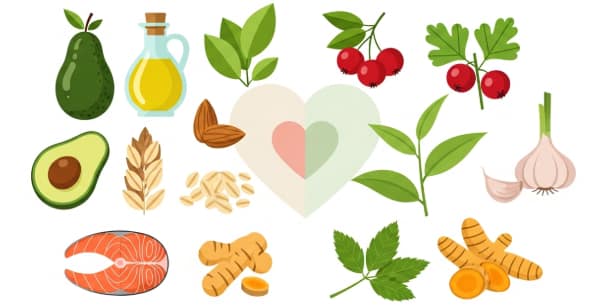
Oats, barley, legumes, and apples bind cholesterol in the gut and help remove it. - Healthy fats
Olive oil, avocados, and nuts replace saturated fats and improve lipid profiles. - Plant sterols and stanols
Found in seeds and fortified foods, these compounds reduce cholesterol absorption. - Fatty fish
Salmon and mackerel provide omega-3 fatty acids, which lower triglycerides.
Foods to Limit or Avoid
To support managing cholesterol levels naturally, reduce intake of:
- Processed meats
- Fried foods
- Baked goods containing hydrogenated oils
- Excess sugar and refined carbohydrates
Instead, focus on whole, minimally processed foods.
Lifestyle Changes That Support Healthy Cholesterol
Nutrition alone is not enough. Lifestyle habits significantly influence cholesterol metabolism.
Physical Activity and Cholesterol Balance
Regular exercise raises HDL cholesterol while lowering LDL and triglycerides. According to the World Health Organization (WHO), adults should aim for:
- At least 150 minutes of moderate aerobic activity per week
- Muscle-strengthening activities twice weekly
Even brisk walking can deliver measurable benefits.
Weight Management and Metabolic Health
Losing as little as 5–10% of body weight can improve cholesterol levels. Moreover, weight loss enhances insulin sensitivity, which further supports lipid regulation.
Stress Reduction and Sleep Quality
Chronic stress raises cortisol, which may negatively affect cholesterol. Therefore:
- Practice mindfulness or breathing exercises
- Aim for 7–9 hours of quality sleep
- Maintain consistent sleep schedules
These habits support hormonal balance and cardiovascular health.
Herbal Medicine and Managing Cholesterol Levels Naturally
Herbal medicine has a long history in cardiovascular support. However, modern research now provides scientific validation for several traditional remedies.
Korean Ginseng and Cholesterol Metabolism
Korean ginseng (Panax ginseng) is one of the most studied medicinal herbs. Its active compounds, called ginsenosides, influence lipid metabolism and inflammation.
Scientific findings suggest that Korean ginseng may:
- Support healthy LDL cholesterol levels
- Improve HDL cholesterol function
- Reduce oxidative stress linked to arterial damage
- Support endothelial function
A review published in the Journal of Ginseng Research highlights ginseng’s role in metabolic and cardiovascular support. Importantly, these effects appear supportive rather than pharmacological, making ginseng suitable for long-term wellness strategies.
Other Evidence-Based Herbs
In addition to ginseng, research supports:
- Garlic extract – May modestly reduce total cholesterol
- Green tea catechins – Support fat metabolism and antioxidant activity
- Turmeric (curcumin) – Helps reduce inflammation linked to atherosclerosis
Always choose standardized, high-quality herbal products.
Safety, Dosage, and Medical Disclaimer
Although natural strategies are effective, they are not a replacement for medical care.
Medical Disclaimer:
This article is for educational purposes only and is not a substitute for professional medical advice. Always consult a qualified healthcare provider before starting supplements, especially if you take cholesterol-lowering medications or have chronic conditions.
Healthcare professionals can help personalize a safe and effective plan.
Scientific Support and Authoritative Sources
This article aligns with guidance from respected institutions, including:
- World Health Organization (WHO): https://www.who.int
- National Institutes of Health (NIH): https://www.nih.gov
- PubMed (U.S. National Library of Medicine): https://pubmed.ncbi.nlm.nih.gov
- American Heart Association: https://www.heart.org
These organizations emphasize lifestyle-first approaches supported by evidence.
Frequently Asked Questions (FAQ)
Can cholesterol really be managed naturally?
Yes. Many people improve cholesterol levels through diet, exercise, stress management, and herbal support. However, results vary by individual.
How long does it take to see results?
Most lifestyle changes show measurable improvements within 8–12 weeks. Consistency is essential.
Is Korean ginseng safe for daily use?
High-quality Korean ginseng is generally safe when used as directed. Consult a healthcare professional for personalized advice.
Can natural methods replace statins?
In some cases, yes. However, individuals with high cardiovascular risk should not stop medication without medical supervision.
Who should be cautious with herbal supplements?
Pregnant individuals, those with chronic illness, or people taking prescription medications should consult a healthcare provider first.
Conclusion: A Natural Path to Heart Health
Managing cholesterol levels naturally is not about quick fixes. Instead, it is about daily choices that compound over time. Nutritious food, consistent movement, stress control, and evidence-based herbal support work together to protect your heart. Korean ginseng stands out as a scientifically supported herb that complements a heart-healthy lifestyle. By choosing premium-quality ginseng, you invest not only in cholesterol balance but also in long-term vitality and confidence in your health journey. Take the next step today and support your heart with nature’s wisdom, backed by science.
🇰🇷 Premium Korean Ginseng Online Shop


