Exercise is good for the brain as well as the heart, muscles, and bones. Regular physical activity can support thinking, memory, mood, sleep, and other aspects of brain health. Over time, staying physically active is also associated with a lower risk of cognitive decline and dementia.
The NINDS stroke prevention guidance specifically includes physical activity among lifestyle measures that support brain and cardiovascular health.
The important point is that you do not need an extreme workout routine to support brain health. For most adults, a practical goal is to sit less, move regularly, and work toward at least 150 minutes of moderate-intensity aerobic activity each week, along with muscle-strengthening activity on at least two days. Older adults should also include activities that improve balance.
Research does not show that exercise can guarantee protection from dementia or prevent every form of cognitive decline. However, the overall evidence supports physical activity as one important component of a broader brain-healthy lifestyle.
The CDC’s current physical activity guidance for adults recommends at least 150 minutes of moderate-intensity aerobic activity each week, along with muscle-strengthening activities on at least two days.
What Is Exercise and Brain Health?
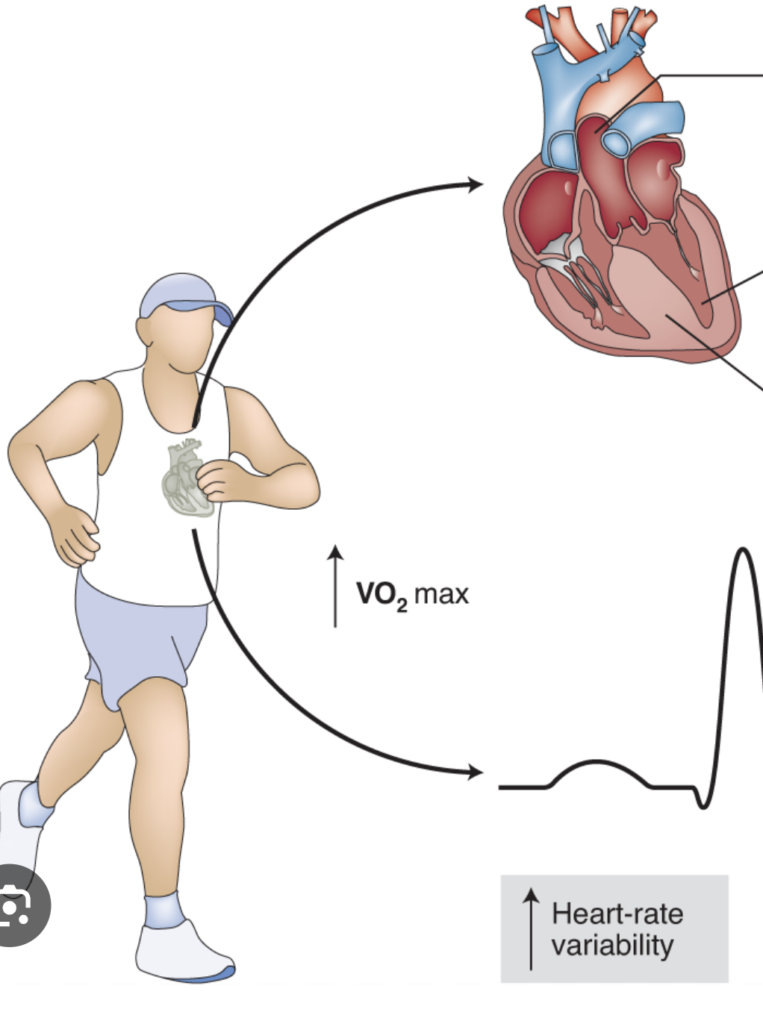
Exercise and brain health refers to the relationship between regular physical activity and cognitive, emotional, and neurological well-being. This includes areas such as memory, attention, executive function, mood, sleep, and the ability to maintain cognitive function as people age.
Physical activity is broader than structured exercise. Walking to work, gardening, dancing, cycling, swimming, playing sports, climbing stairs, and doing household chores can all contribute to physical activity.
Exercise is a planned form of physical activity, such as brisk walking, running, resistance training, swimming, or a structured workout.
This distinction matters because supporting brain health does not require spending hours in a gym. The CDC notes that adults who sit less and perform any amount of moderate- or vigorous-intensity physical activity can gain health benefits.
Why Does Exercise Matter for Brain Health?
Exercise matters because physical activity affects several systems that are important for brain function, including cardiovascular health, blood flow, sleep, mood, metabolism, and potentially the brain’s ability to adapt and maintain connections.
Research suggests that exercise can have both short-term and long-term effects.
A single session of moderate-to-vigorous physical activity can produce some immediate benefits, while regular activity is associated with longer-term improvements in overall health and a lower risk of cognitive decline and dementia.
The National Institute of Neurological Disorders and Stroke (NINDS) notes that being physically active and exercising supports the health of the brain as well as the rest of the body.
A 2025 umbrella review and meta-meta-analysis that included 133 systematic reviews, 2,724 randomized controlled trials, and more than 258,000 participants found that exercise was associated with improvements in general cognition, memory, and executive function. The authors also noted differences between age groups and types of outcomes, so these findings should not be interpreted as meaning that every exercise program produces the same cognitive benefit.
What Parts of Brain Function Can Exercise Support?
Research has examined several aspects of cognition, including:
- Memory
- Attention
- Processing speed
- Executive function
- Learning
- Problem-solving
- Overall cognitive performance
Executive function includes mental skills such as planning, organizing, shifting attention, controlling impulses, and working toward a goal.
The U.S. Physical Activity Guidelines report that people who engage in greater amounts of moderate- or vigorous-intensity activity may experience improvements in cognitive performance, including measures of memory, processing speed, and executive function.
How Does Exercise Affect the Brain?
The relationship between exercise and the brain is complex. Researchers are still studying the precise mechanisms, but several pathways are considered important.
Exercise Supports Cardiovascular Health
The brain depends on a continuous supply of oxygen and nutrients delivered through the circulatory system.
Physical activity improves cardiovascular fitness and helps manage several cardiovascular risk factors. Because vascular health and brain health are closely connected, some of the cognitive benefits of exercise may occur indirectly through better cardiovascular health.
The Alzheimer’s Association notes that exercise may support brain health partly through its effects on cardiovascular health, blood pressure, diabetes, sleep, and body weight.
This is one reason exercise should not be viewed as an isolated “brain workout.” What benefits the cardiovascular system can also contribute to healthier brain aging.
The CDC recommends that adults age 65 and older include aerobic activity, muscle-strengthening activity, and balance activities each week. Its guidance for older adults recommends at least 150 minutes of moderate-intensity aerobic activity each week, at least two days of muscle-strengthening activity, and activities that improve balance.
Exercise May Influence Neuroplasticity
Neuroplasticity refers to the brain’s ability to change and adapt in response to experience.
Research suggests that exercise can influence biological pathways involved in neuroplasticity, including growth factors, metabolic processes, neurotransmitter systems, and changes in brain networks. However, researchers are still determining how these mechanisms translate into specific cognitive benefits in different people.
Exercise May Affect Brain Structure and Function
Studies using brain imaging have investigated whether exercise is associated with changes in brain structure and function.
Recent evidence continues to explore relationships between exercise, brain volume, and cognitive outcomes. A 2025 systematic review and meta-analysis of 59 randomized controlled trials involving more than 5,000 participants found that physical exercise had a significant effect on brain volume, although the relationship between changes in brain volume and cognitive improvement remains an active area of research.
This is promising, but it is important not to turn a complex research finding into a simple claim that exercise “grows your brain.” Brain health involves many interacting structures and processes.
The CDC’s Adding Physical Activity as an Adult guidance emphasizes that any amount of physical activity provides some health benefits and that activity can be broken into smaller periods.
Can Exercise Improve Memory?
Yes, exercise can support memory, although the size of the effect varies depending on the person, exercise program, age, and outcome being measured.
The evidence is particularly supportive when looking at exercise and cognition as a group of related outcomes rather than expecting a dramatic improvement in memory from a single workout.
The large 2025 umbrella review mentioned above found an overall improvement in memory across randomized-trial evidence, although the effects were not identical across populations.
For everyday life, this means that regular physical activity can be part of a strategy for maintaining cognitive health, but it should not be treated as a guaranteed memory enhancer.
The National Institute on Aging (NIA) provides information on exercise and physical activity as part of healthy aging, including aerobic, strength, balance, and flexibility activities.
Can a Short Workout Help Memory?
Possibly.
The CDC reports that some brain-health benefits can occur shortly after moderate-to-vigorous physical activity, and research has examined short-term effects on thinking and memory.
However, a temporary improvement in cognitive performance is different from permanently improving memory. Short-term effects should not be confused with long-term prevention of cognitive decline.
Can Exercise Improve Focus and Concentration?
Exercise may help aspects of attention and executive function, particularly when physical activity is performed regularly.
Recent evidence suggests that exercise can improve general cognition and executive function, while studies of breaking up prolonged sitting also suggest that brief physical-activity interruptions may produce short-term improvements in cognitive performance.
This may be especially practical for people who spend much of the day sitting at a desk.
For example, instead of remaining seated for several hours, a person might incorporate brief periods of walking, climbing stairs, or other movement throughout the day.
A 2026 systematic review found evidence that interrupting prolonged sitting with physical activity can produce acute improvements in cognitive function. However, the researchers emphasized that evidence for long-term cognitive effects remains insufficient.
What Is the Best Exercise for Brain Health?
There is no single exercise that has been established as the universal “best” exercise for brain health.
The strongest practical approach is to combine different forms of physical activity rather than focusing on one exercise.
Aerobic Exercise
Aerobic activities raise the heart rate for a sustained period.
Examples include:
- Brisk walking
- Cycling
- Swimming
- Jogging
- Dancing
- Hiking
- Tennis
- Water aerobics
Aerobic exercise has been extensively studied in relation to cognition and brain health. A systematic review and meta-analysis of healthy middle-aged and older adults found that aerobic exercise improved executive function, although the researchers noted that the optimal exercise prescription is still uncertain.
Strength Training
Resistance exercise includes activities such as:
- Weight lifting
- Resistance-band exercises
- Bodyweight exercises
- Squats
- Push-ups
- Certain forms of functional training
Strength training is important for overall health and physical independence, particularly as people age. Current U.S. guidelines recommend muscle-strengthening activities at least two days per week for adults.
The CDC’s physical activity guidance recommends regular aerobic activity and muscle-strengthening activity as part of an overall healthy lifestyle.
Research is also examining whether combining aerobic and resistance training may benefit cognition in older adults. A 2024 systematic review and meta-analysis examined combined aerobic and resistance exercise in healthy adults aged 65 and older, reflecting growing interest in multicomponent exercise programs.
Balance and Functional Exercise
Balance activities become particularly important with aging because preventing falls helps protect physical independence and can reduce injuries.
Examples include:
- Standing on one foot
- Heel-to-toe walking
- Tai chi
- Certain yoga exercises
- Sit-to-stand exercises
- Functional movement exercises
Adults 65 and older are advised to include balance activities along with aerobic and muscle-strengthening activity.
How Much Exercise Do You Need for Brain Health?
For general health, U.S. guidelines recommend that adults get at least 150 minutes of moderate-intensity aerobic activity per week, or 75 minutes of vigorous activity, or an equivalent combination, plus muscle-strengthening activity on at least two days per week.
These are general physical-activity recommendations rather than a precisely established “brain-health dose.”
For example, 150 minutes of moderate activity could be:
- 30 minutes on five days each week
- About 22 minutes every day
- Several shorter sessions accumulated throughout the day
The CDC emphasizes that physical activity does not have to happen in one continuous session and that some activity is better than none.
Is 30 Minutes of Exercise a Day Enough?
Thirty minutes of moderate activity on five days a week meets the basic adult aerobic recommendation.
However, brain health is not determined by one number. A person’s overall pattern of physical activity, sedentary time, sleep, cardiovascular health, diet, social engagement, and other lifestyle factors also matter.
Someone who cannot exercise for 30 minutes at once can begin with shorter periods and gradually increase activity.
Is Walking Good for Brain Health?
Yes. Walking is a practical form of physical activity that can contribute to brain health and overall health.
Brisk walking can count as moderate-intensity aerobic activity, depending on the person’s fitness level.
Walking is particularly useful because it is accessible, relatively inexpensive, and easy to incorporate into daily routines.
Examples include:
- Taking a brisk morning walk
- Walking during a lunch break
- Walking while talking on the phone
- Taking stairs instead of an elevator
- Walking for errands when practical
- Taking short walking breaks during long periods of sitting
The goal does not have to be a specific daily step number. U.S. physical-activity recommendations are based primarily on intensity, duration, and types of activity rather than requiring everyone to reach exactly 10,000 steps per day.
Does Exercise Reduce the Risk of Dementia?
Regular physical activity is associated with a lower risk of cognitive decline and dementia, including Alzheimer’s disease, but exercise cannot guarantee that a person will avoid dementia.
The CDC identifies reduced risk of dementia, including Alzheimer’s disease, as one of the long-term brain-health benefits associated with physical activity.
Long-term research is complicated because dementia develops over many years and is influenced by multiple factors.
A 2024 systematic review and meta-analysis examined long-term physical exercise and multidomain interventions in older adults without dementia. The evidence supports continued investigation into physical activity as part of strategies for healthy cognitive aging, while the precise effects of different programs and durations remain an area of research.
Exercise should therefore be viewed as one component of dementia-risk reduction rather than a standalone guarantee.
Can Exercise Help Prevent Alzheimer’s Disease?
Exercise may lower the risk of developing Alzheimer’s disease, but it is not a guaranteed prevention strategy.
The relationship between physical activity and Alzheimer’s disease may involve several pathways, including cardiovascular health, blood pressure, diabetes management, sleep, physical fitness, and other biological processes.
The Alzheimer’s Association identifies physical activity as one of several habits that may support brain health and potentially reduce the risk of cognitive decline and dementia.
Importantly, risk reduction is not the same as prevention. A person can remain physically active and still develop Alzheimer’s disease or another form of dementia.
Does Exercise Help Brain Health as You Age?
Yes. Staying physically active throughout adulthood and older age is an important part of maintaining overall health and supporting healthy brain aging.
The benefits are not limited to younger adults.
For adults 65 and older, the CDC recommends a combination of aerobic activity, muscle-strengthening activity, and balance activities each week.
This combination can help maintain mobility, strength, independence, and balance while also supporting cardiovascular and brain health.
Exercise can therefore have a double benefit for older adults: it may support cognitive health while helping maintain the physical abilities needed for independent living.
What About Exercise and Mental Health?
Brain health is not only about memory.
Physical activity can also affect mood, anxiety, stress, and sleep.
The CDC reports that regular physical activity can reduce the risk of depression and anxiety and improve sleep quality.
These effects matter because sleep and emotional health are closely connected to cognitive function.
For example, someone who sleeps poorly may have difficulty concentrating or remembering information. Regular physical activity may improve sleep quality, which can indirectly make daytime cognitive functioning easier.
Exercise should not be considered a replacement for professional treatment when someone has a mental-health condition. However, it can be an important part of an overall healthy lifestyle.
Can Exercise Improve Sleep and Brain Health?
Yes. Regular physical activity can improve sleep quality, and better sleep can support cognitive function and emotional well-being.
The CDC identifies improved sleep quality as an immediate benefit associated with physical activity.
A practical approach is to establish a consistent activity routine rather than trying to use exercise as an occasional “fix” for poor sleep.
For people who find that vigorous exercise close to bedtime interferes with sleep, moving the workout earlier in the day may be worth trying.
Does Breaking Up Sitting Time Help the Brain?
Brief periods of movement during long periods of sitting may provide short-term cognitive benefits, although the evidence for long-term brain-health effects is still developing.

A 2024 systematic review and meta-analysis of randomized controlled trials found that interrupting prolonged sedentary behavior with physical activity improved acute cognitive function. However, the small number of studies examining longer-term outcomes means researchers cannot yet draw strong conclusions about whether this strategy independently prevents cognitive decline.
This makes frequent movement a useful practical habit even when a person already has a formal exercise routine.
For example:
Sit → work → stand or walk → return to work.
The goal is not to replace structured exercise but to reduce long uninterrupted periods of inactivity.
Exercise and Brain Health for Middle-Aged Adults
Middle age is an important period for building sustainable health habits.
Research suggests that aerobic exercise can improve executive function in healthy middle-aged and older adults.
A practical weekly routine might include:
- Brisk walking several days per week
- Strength training twice per week
- Occasional higher-intensity activity if appropriate
- Regular movement breaks during sedentary work
- Activities that are enjoyable enough to maintain consistently
The most useful routine is one that can be maintained over months and years rather than an intense program that lasts only a few weeks.
Exercise and Brain Health for Older Adults
For adults 65 and older, exercise should address more than cardiovascular fitness.
The CDC recommends:
- At least 150 minutes of moderate aerobic activity each week, or 75 minutes of vigorous activity
- Muscle-strengthening activity on at least two days each week
- Balance activities
People should adapt activity to their abilities and health conditions.
For an older adult, a balanced program might include brisk walking, resistance-band exercises, chair-based strength exercises, and balance practice.
Strength and balance are particularly important because preventing falls can help protect independence and reduce serious injuries.
Does Exercise Need to Be Intense to Benefit the Brain?
No. You do not need extremely intense exercise to obtain health benefits.
Moderate-intensity activity such as brisk walking is sufficient to meet the aerobic portion of U.S. adult physical-activity recommendations.
The CDC also emphasizes that some physical activity is better than none.
For someone who is currently inactive, starting with manageable activity may be more realistic than immediately attempting vigorous exercise.
Intensity can be increased gradually as fitness improves and as appropriate for the individual’s health status.
What Are the Most Practical Brain-Healthy Exercise Habits?
A sustainable routine can be surprisingly simple.
1. Walk regularly
Brisk walking is one of the easiest ways to accumulate moderate-intensity activity.
2. Strengthen major muscle groups
Include exercises for the legs, hips, back, abdomen, chest, shoulders, and arms.
3. Break up long periods of sitting
Stand, walk, stretch, or perform another safe movement regularly during long sedentary periods.
4. Choose activities you enjoy
Enjoyment can make consistency easier.
Try:
- Dancing
- Swimming
- Cycling
- Hiking
- Tennis
- Gardening
- Walking with friends
- Group exercise classes
5. Increase activity gradually
Someone who currently does very little physical activity does not need to reach 150 minutes immediately.
Start with manageable amounts and build gradually.
6. Include balance training as you age
Balance becomes increasingly important for maintaining mobility and reducing fall risk.
7. Combine exercise with other brain-healthy habits
Exercise works within a broader lifestyle that includes adequate sleep, nutritious eating, cardiovascular-risk management, social engagement, and mentally stimulating activities.
The Alzheimer’s Association similarly presents physical activity as one component of a broader approach to brain health.
Common Mistakes and Misconceptions About Exercise and Brain Health
Myth: You need a gym membership to improve brain health
Not true. Walking, cycling, gardening, dancing, swimming, sports, and home-based resistance exercises can all contribute to physical activity.
Myth: More exercise is always better
More is not automatically better for every individual or every goal. Exercise needs to be appropriate for a person’s fitness, age, health conditions, and recovery capacity.
Myth: One workout permanently improves memory
A workout can produce short-term physiological and cognitive effects, but long-term cognitive health depends on sustained habits and many other factors.
Myth: Exercise guarantees protection against dementia
It does not. Physical activity is associated with a lower risk of cognitive decline and dementia, but no exercise program can guarantee that dementia will not occur.
Myth: Only aerobic exercise matters
Aerobic activity has substantial evidence behind it, but strength and balance training are also important components of a well-rounded physical-activity routine, especially as people age.
Myth: A specific step count is required for brain health
There is no universal step target that everyone must reach to protect the brain. Current U.S. guidelines emphasize minutes and intensity of activity rather than a mandatory 10,000-step target.
Safety and Important Considerations
Physical activity is generally beneficial, but exercise should be appropriate for the individual.
People with chronic health conditions, disabilities, significant mobility limitations, or other medical concerns may need to modify the type or intensity of activity.
The CDC recommends that adults with chronic conditions or disabilities be as active as their abilities allow and consult a health professional or physical-activity specialist when appropriate.
Older adults who have a history of falls or balance problems should also consider fall-prevention strategies and appropriate strength and balance exercises.
Seek medical attention for concerning symptoms during exercise, such as chest pain, severe shortness of breath, fainting, or other symptoms that are unusual for you.
The goal is not to exercise through potentially serious symptoms.
Exercise and Brain Health: Frequently Asked Questions
Does exercise improve brain function?
Exercise can improve some aspects of cognitive function, including general cognition, memory, and executive function. The size of the effect varies between studies and individuals, and exercise is not a guarantee of improved cognition for every person.
What is the best exercise for brain health?
There is no single exercise proven to be best for everyone. A combination of aerobic activity, strength training, and, particularly for older adults, balance activities provides a practical approach consistent with U.S. physical-activity recommendations.
Is walking good for your brain?
Yes. Brisk walking can count as moderate-intensity aerobic activity and is a practical way to support overall physical and brain health.
How much exercise should I do for brain health?
For general health, adults should aim for at least 150 minutes of moderate-intensity aerobic activity or 75 minutes of vigorous activity each week, plus muscle-strengthening activity on at least two days. This is a general health recommendation, not a precisely established brain-health prescription.
Can exercise prevent dementia?
Exercise may reduce the risk of cognitive decline and dementia, but it cannot guarantee prevention. Dementia has many potential contributing factors, so physical activity should be viewed as one part of a broader risk-reduction strategy.
Can exercise improve memory?
Research suggests that exercise can improve memory, although effects vary by age, exercise type, duration, and study design. A large umbrella review found an overall positive effect of exercise on memory across randomized-trial evidence.
Can exercise help concentration?
Exercise may support attention and executive function. Breaking up prolonged sitting with physical activity may also produce short-term improvements in cognitive performance, although long-term effects of this specific strategy remain uncertain.
Does strength training help brain health?
Strength training contributes to overall physical health and is recommended at least twice a week for adults. Research is also investigating its direct cognitive effects, particularly when strength training is combined with aerobic activity.
Is exercise good for brain health after age 65?
Yes. Physical activity remains important in older adulthood. Adults 65 and older are advised to combine aerobic activity, muscle strengthening, and balance activities each week.
Can exercise improve sleep and mood?
Yes. Physical activity can improve sleep quality and is associated with reduced risk of depression and anxiety. These benefits can indirectly support cognitive well-being as well.
Do I need vigorous exercise to protect my brain?
No. Moderate activity such as brisk walking can provide substantial health benefits. People who are currently inactive can begin with manageable amounts and gradually increase their activity.
Related Brain-Health Topics to Explore
A healthy brain is influenced by more than exercise. Related topics worth exploring include:
- Healthy sleep and cognitive function
- Healthy eating and brain health
- Walking and overall health
- Cardiovascular health and the brain
- Blood pressure and cognitive health
- Healthy aging
- Stress management
- Social connection and brain health
- Memory and cognitive function
- Dementia risk reduction
Conclusion
Exercise is one of the most practical lifestyle habits for supporting brain health.
The evidence indicates that physical activity can benefit cognition, memory, executive function, mood, sleep, and overall cardiovascular health. Regular activity is also associated with a lower risk of cognitive decline and dementia.
The most useful approach is not to search for a single “brain exercise.” Instead, build a sustainable pattern that combines aerobic activity, muscle strengthening, regular movement throughout the day, and balance training when appropriate.
For most adults, a reasonable starting framework is to work toward 150 minutes of moderate-intensity aerobic activity each week, strength training on at least two days, and less uninterrupted sitting. Older adults should also include balance activities.
Exercise is not a guarantee against dementia or cognitive decline. But as part of a broader healthy lifestyle, regular physical activity is a well-supported way to invest in long-term physical and brain health.


🇰🇷 Premium Korean Ginseng Online Shop
We’re a Korea-based online shop dedicated to authentic, premium Korean ginseng
Boost your health naturally with premium Korean ginseng!
🇰🇷 All orders are shipped directly from Korea with free worldwide shipping.
🎁 20% OFF Your Order — Use Code: vip20 at Checkout— Limited to the First 3 Orders Each Day!